
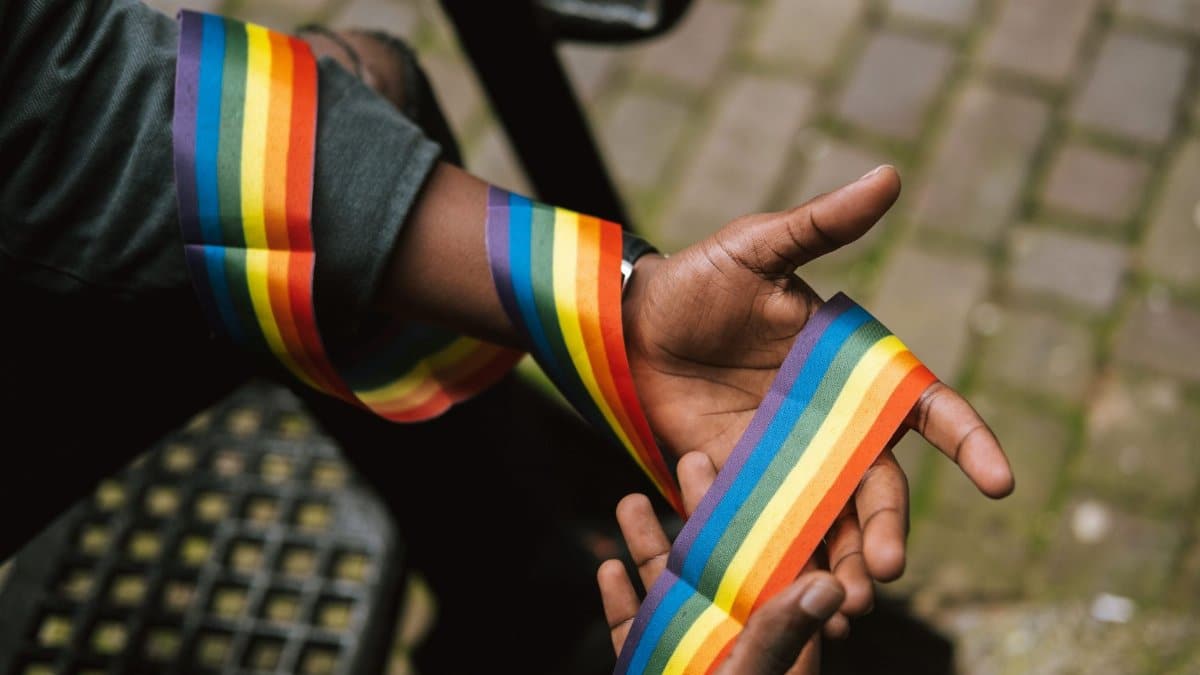
Texas cities have long embraced colorful street markings as symbols of inclusion yet recent state actions have shifted the landscape for public displays of support. The Texas Rainbow Crosswalk Ban now restricts such installations forcing local advocates in Dallas and beyond to rethink how they express community values without relying on painted pavement. Residents report a mix of frustration and creativity as they navigate new rules while seeking ways to maintain visibility for LGBTQ initiatives during annual events and daily life.
Origins of Statewide Restrictions

State legislators framed the measure as a way to preserve uniform road standards across Texas highways and city streets. Officials argued that specialized designs could distract drivers or create maintenance challenges over time. Discussions in Austin highlighted concerns about public resources allocated to nonstandard markings leading to the formal prohibition that now applies broadly.
Impact on Dallas Neighborhoods
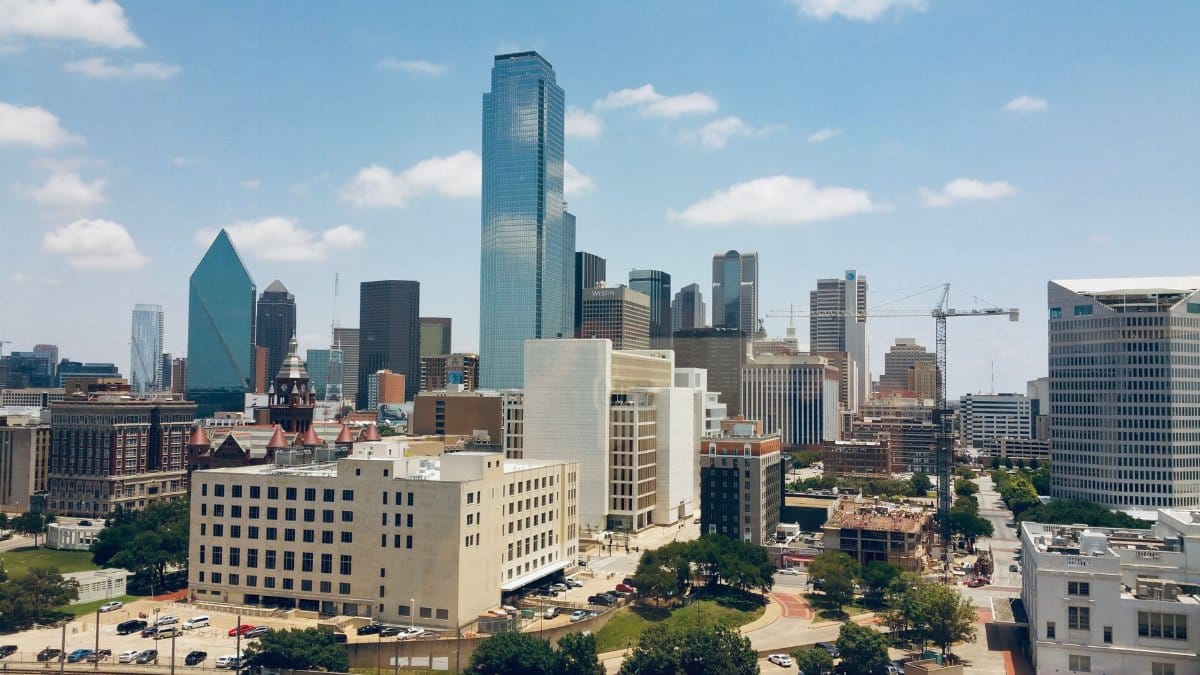
Dallas officials responded by halting plans for additional installations in areas like Oak Lawn and Deep Ellum where earlier proposals had gained traction. Local transportation departments redirected funds toward standard safety features such as improved lighting and signage. Residents in these districts noted a noticeable change in the visual character of intersections that once featured vibrant patterns during pride seasons.
Creative Alternatives Emerging

Groups in Dallas have turned to banners murals and digital campaigns as substitutes for crosswalk designs. Pop up installations in parks and community centers allow for temporary expressions that comply with the rules while still drawing attention. Artists and organizers collaborate on projects that emphasize education and dialogue over permanent street alterations.
Legal Challenges and Debates

Advocacy organizations have explored court options arguing that the restrictions limit free expression in public spaces. Attorneys point to precedents involving other forms of symbolic speech in municipal settings. Meanwhile state representatives defend the policy as neutral and focused solely on infrastructure consistency rather than targeting specific messages.
Broader Political Context

The Texas Rainbow Crosswalk Ban fits into ongoing legislative sessions where topics of local governance and cultural symbols frequently intersect. Lawmakers from various districts weighed in during committee hearings emphasizing the need for clear guidelines on public property usage. Observers suggest the measure reflects wider national conversations about how governments manage visible displays of identity.
Community Organizing Shifts
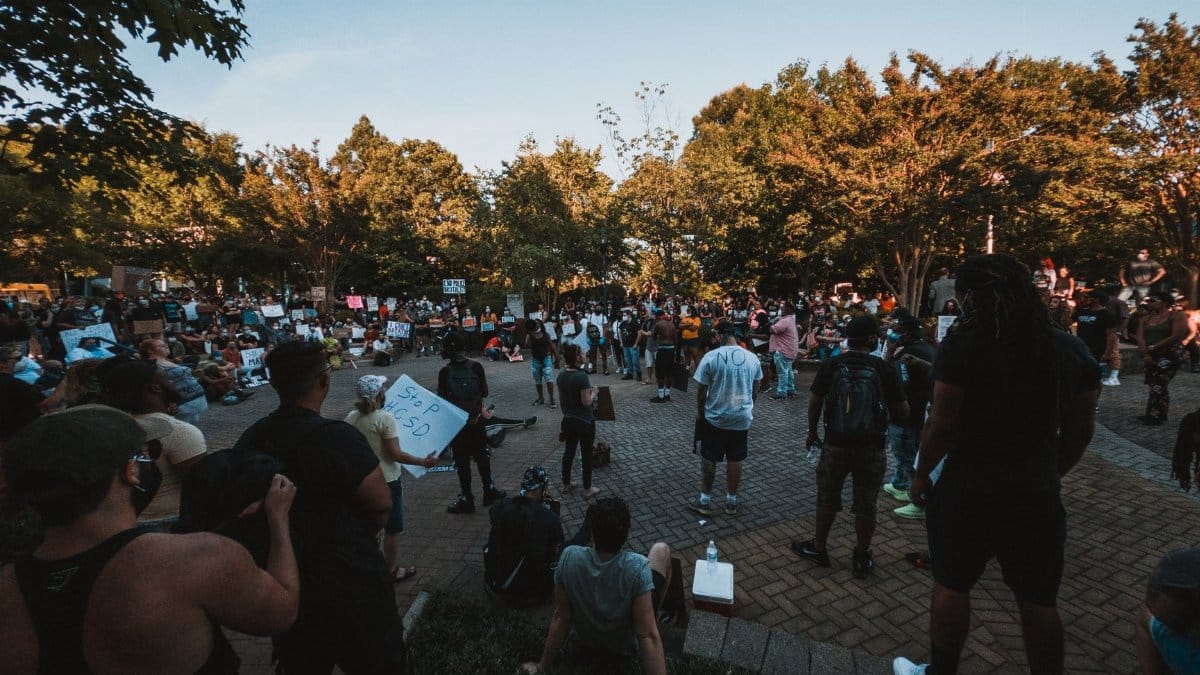
LGBTQ networks across Dallas have adapted by hosting workshops on digital advocacy and partnership building with businesses. These efforts aim to sustain momentum for rights and acceptance even as physical markers diminish. Volunteers describe a renewed focus on personal stories and policy education to reach audiences who might not encounter street based symbols.
Economic Considerations for Cities
Municipal budgets in Texas now allocate fewer resources to custom street art prompting discussions about tourism and local branding. Some business owners worry that reduced visibility could affect foot traffic in districts known for inclusive atmospheres. Planners explore grants for alternative public art that highlights community heritage without violating roadway rules.
National Comparisons and Lessons

Other states have adopted varied approaches to similar markings allowing cities more flexibility in design choices. Texas stands out for its centralized directive which streamlines enforcement but limits experimentation at the local level. Analysts review these differences to understand how regional policies shape everyday expressions of support.
Future Possibilities for Expression

Advocates anticipate further innovations such as light projections or seasonal flags that avoid permanent alterations to streets. Dallas based coalitions continue to monitor enforcement while proposing amendments that balance safety with cultural needs. The ongoing evolution shows resilience among those committed to visibility and inclusion despite regulatory hurdles.
Personal Reflections from Locals
One longtime Dallas resident recalled earlier pride events where crosswalks served as gathering points for celebration and connection. Now the focus has moved indoors to galleries and forums where conversations about acceptance continue without interruption. Such shifts highlight how communities adjust while preserving core values of openness and solidarity.