
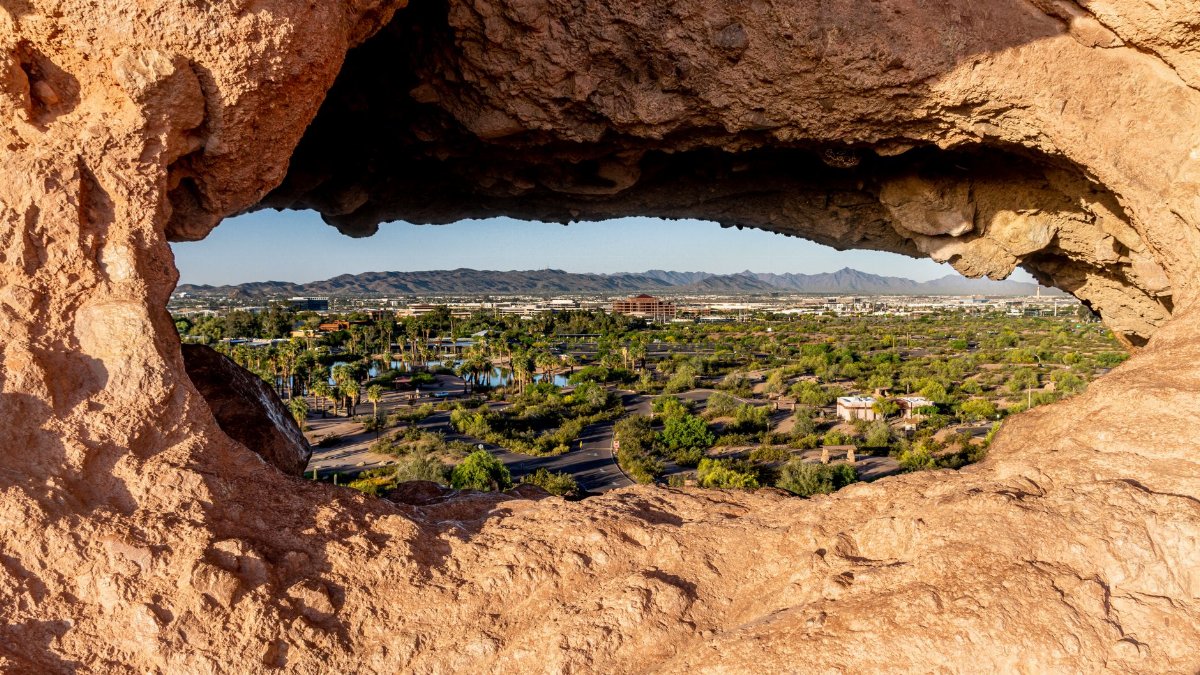
The summer months in the desert have brought an intense combination of soaring temperatures and powerful storms. Residents in Phoenix and nearby regions navigate conditions that test both endurance and preparedness. Forecasts from local agencies point to prolonged heat waves interrupted by sudden downpours that flood streets and disrupt daily routines. This season referred to as Arizona Heat Monsoon 2026 highlights shifting patterns that experts continue to monitor closely as communities adjust routines and infrastructure faces new strains. Observations from longtime observers suggest these events carry deeper implications for how people relate to their environment and each other during periods of uncertainty.
Shifting Climate Signals Across the Region
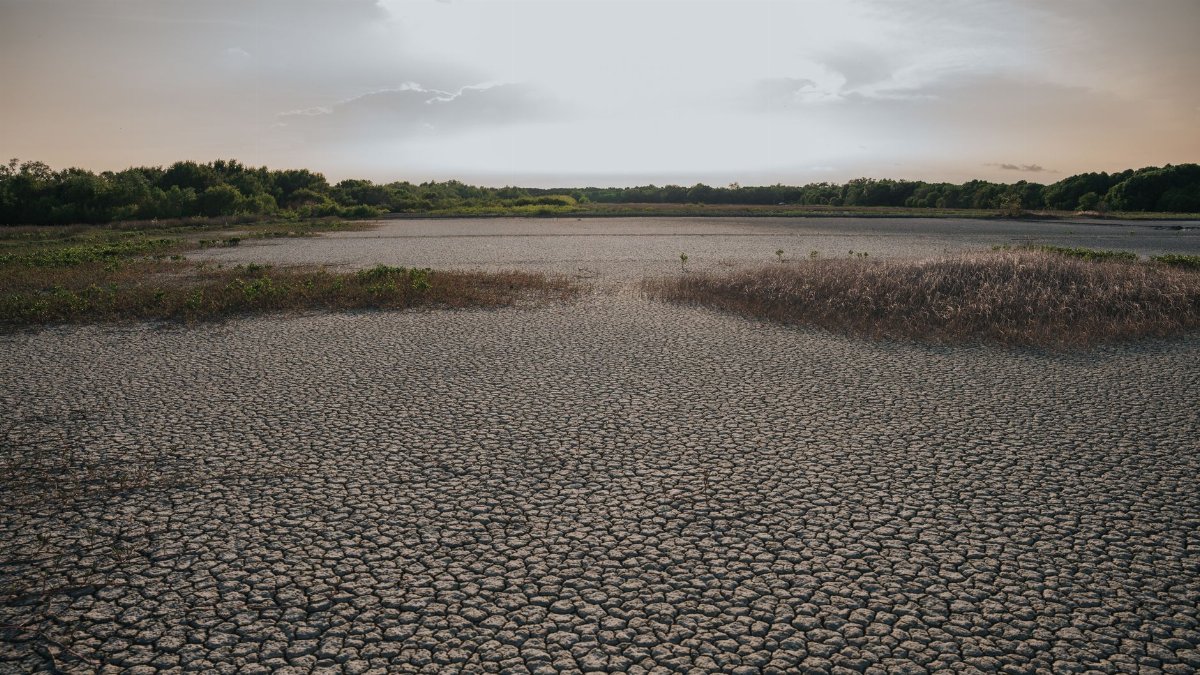
Data collected over recent decades shows temperatures climbing steadily while rainfall arrives in concentrated bursts rather than steady showers. Meteorologists note that the current cycle amplifies both extremes leaving little middle ground for relief. Communities have responded by expanding cooling centers and improving drainage systems yet challenges persist during peak events.
Daily Life Under Combined Heat and Rain
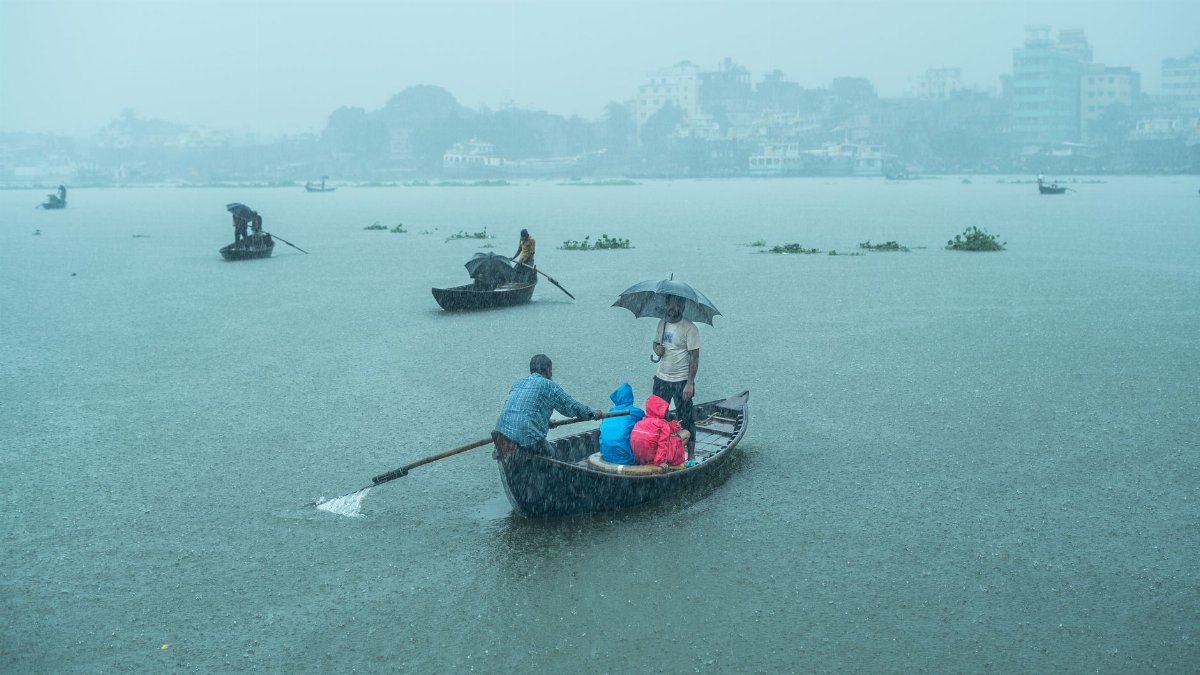
Morning commutes often begin under clear skies that give way to afternoon turbulence. Workers in construction and agriculture adjust schedules to avoid midday peaks while families seek indoor activities during storm warnings. Local businesses report changes in foot traffic as customers time outings around weather alerts.
Community Responses and Shared Resilience
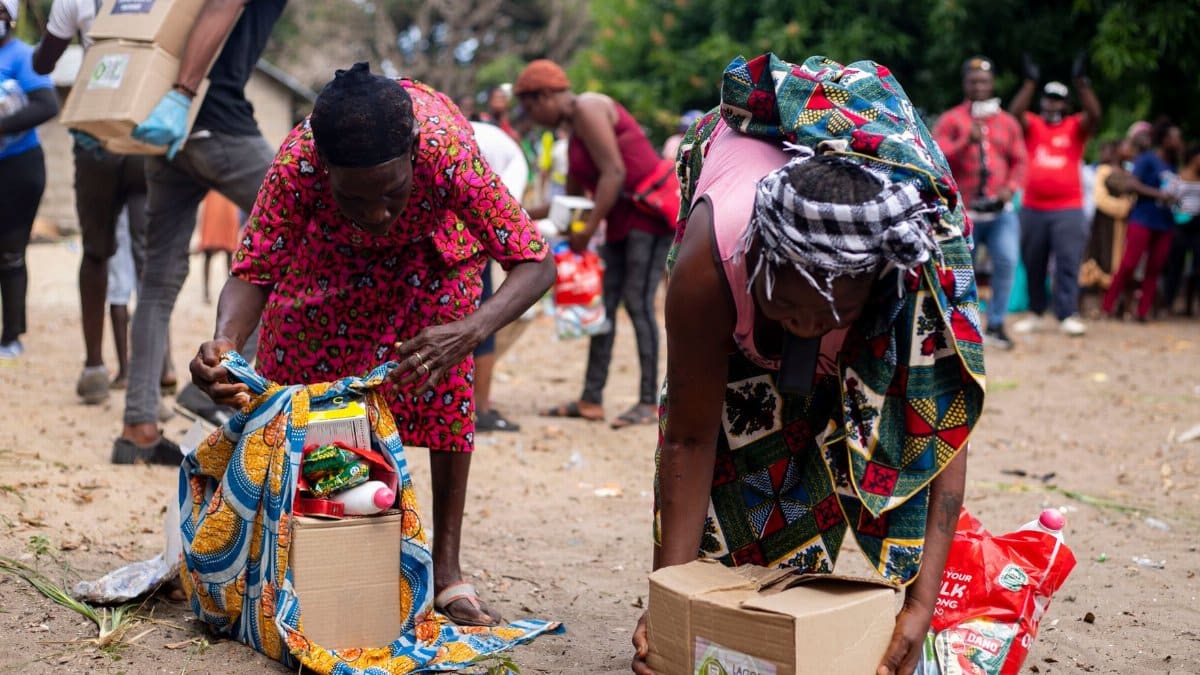
Neighborhood groups have organized supply drives for those without reliable air conditioning or transportation. Volunteers coordinate with city services to check on vulnerable residents during heat advisories and flash flood watches. These efforts reflect a collective awareness that individual preparation alone falls short against widespread conditions.
Spiritual Reflections on Nature Power
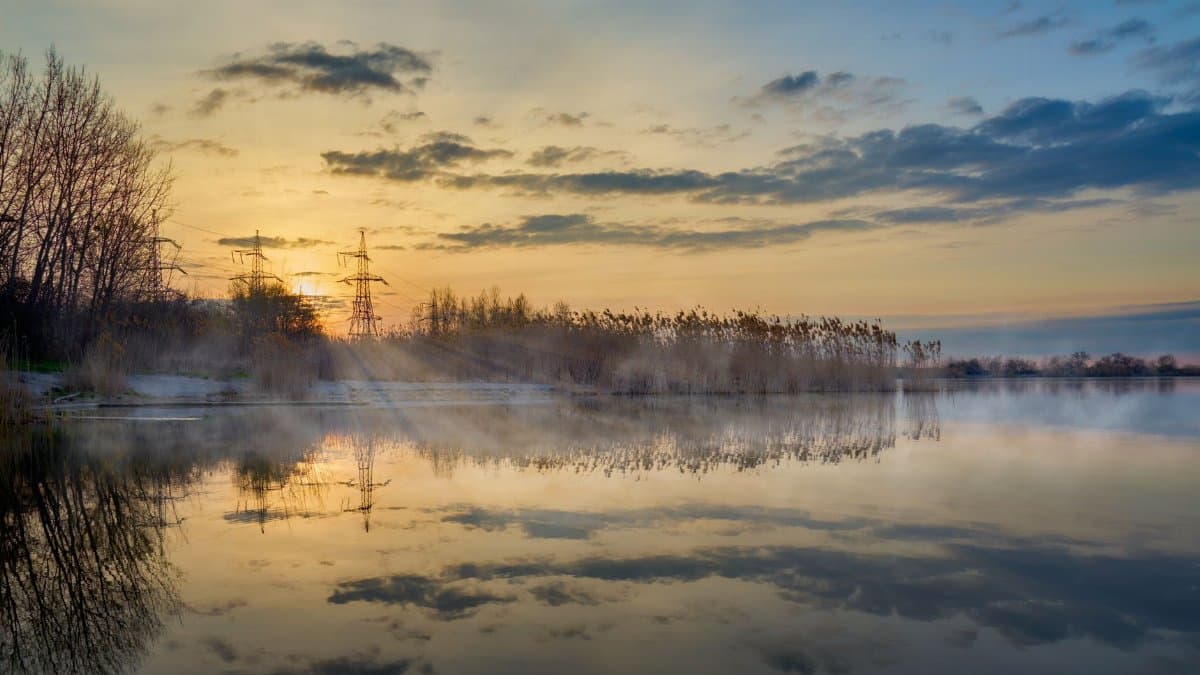
Many residents describe moments of awe when lightning illuminates vast skies followed by the scent of rain on parched earth. Faith leaders incorporate themes of stewardship and humility into gatherings drawing parallels between current events and timeless lessons about human limits. Such perspectives offer quiet spaces amid the turbulence.
Infrastructure Strains and Future Planning
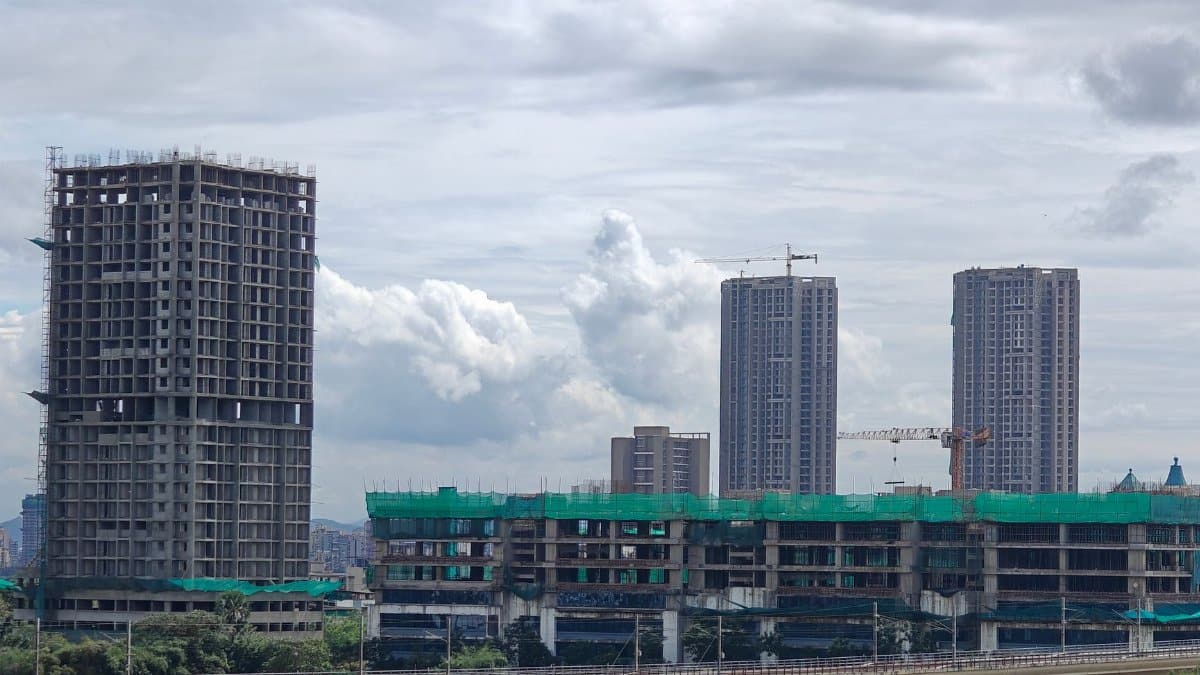
Roads and power grids encounter repeated stress from rapid temperature swings and water accumulation. Engineers evaluate upgrades that account for more frequent intense episodes while policymakers weigh investments in green spaces that could moderate urban heat. Long term strategies emphasize adaptation over resistance to natural forces.
Economic Effects on Local Industries
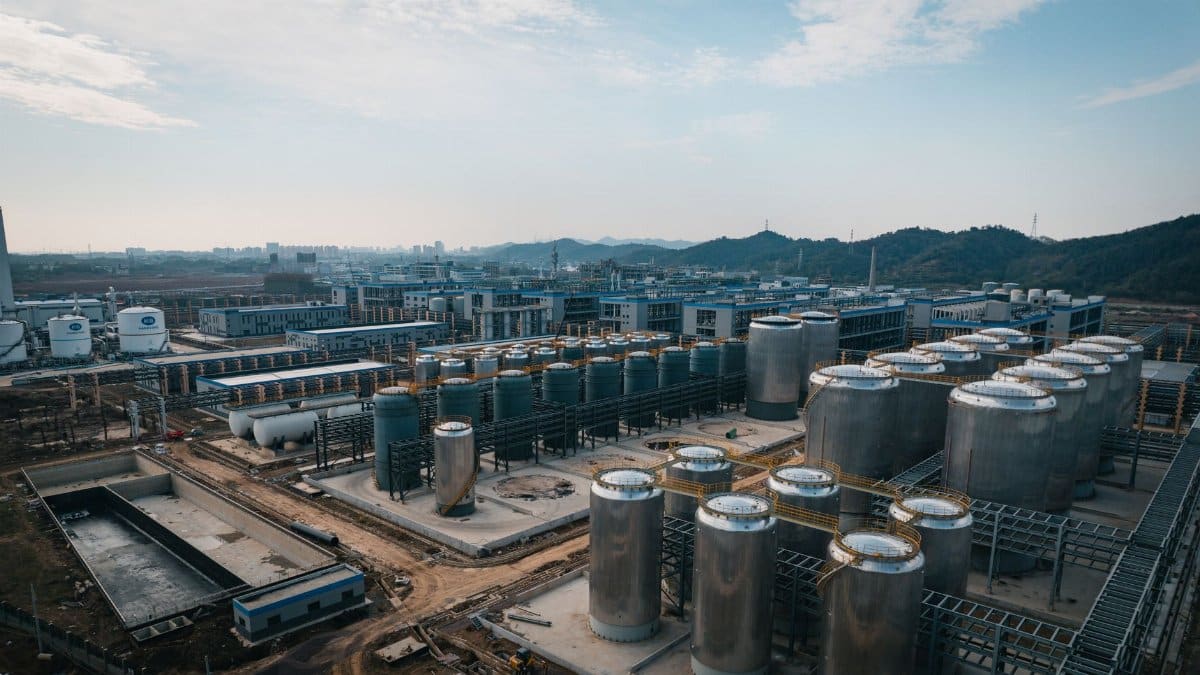
Tourism operators adjust promotions to highlight shoulder seasons when conditions prove more moderate. Agricultural producers explore drought resistant crops suited to erratic moisture patterns. Insurance providers review policies as claims rise from storm damage and heat related incidents.
Health Considerations for Residents

Medical facilities track increases in heat exhaustion cases alongside respiratory issues triggered by dust stirred by winds. Public health campaigns stress hydration and shelter during alerts yet access remains uneven across neighborhoods. Ongoing studies examine cumulative impacts on chronic conditions.
Broader Lessons for Desert Living
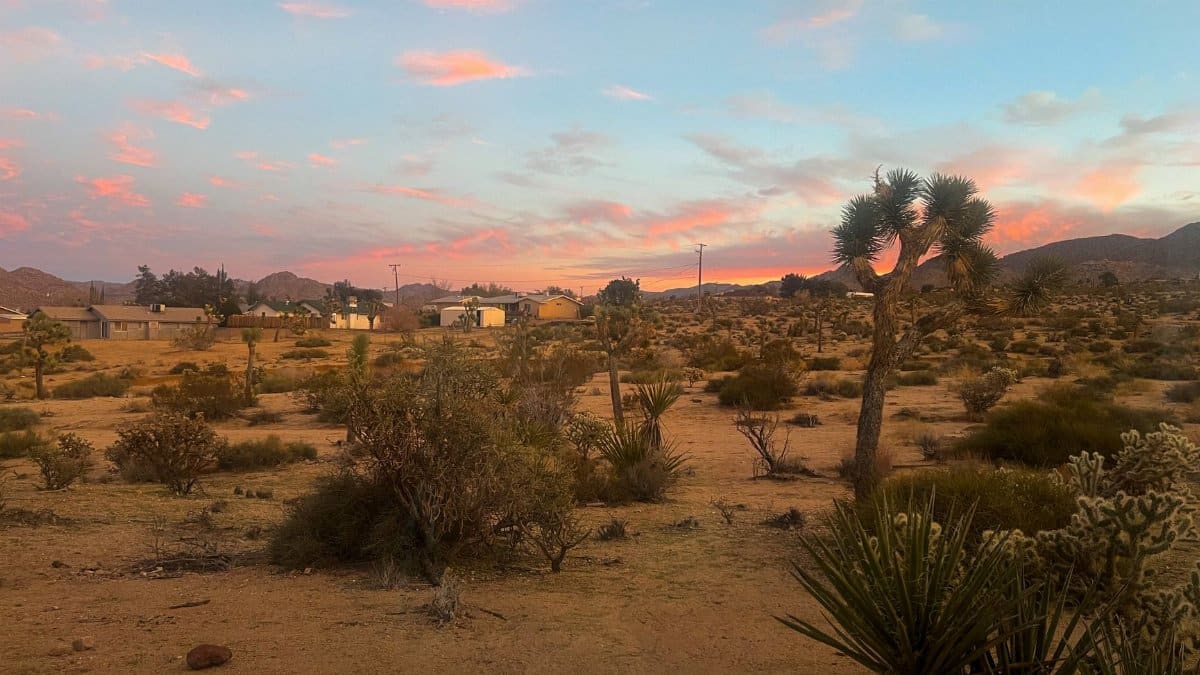
Observers suggest these patterns encourage reevaluation of growth models that prioritize expansion without sufficient regard for environmental limits. Conversations in town halls touch on balancing development with preservation of open lands that historically absorbed excess water and moderated temperatures.
Looking Ahead to Subsequent Seasons
Projections indicate continued variability that will require sustained attention from officials and citizens alike. Arizona Heat Monsoon 2026 serves as a reminder that adaptation involves both practical measures and shifts in mindset toward greater respect for the forces at play in the landscape.