

In the closing moments of a tense group stage evening millions of viewers across continents tuned in to witness two matches beginning at precisely the same instant. The practice stems from earlier calculations about fairness and strategy that gained traction through World Cup Scheduling Germany and have shaped every tournament since. Observers often overlook how a single national football federation helped embed this approach into global rules leaving lasting effects on how nations prepare and compete.
Roots of Coordinated Match Timing
German football officials in the late twentieth century pushed for synchronized starts in final group fixtures to limit opportunities for result manipulation. Their proposals emerged after several tournaments raised concerns about teams adjusting effort levels based on earlier outcomes. FIFA committees reviewed these ideas and incorporated them into standard procedures that persist today.
Why Germany Shaped FIFA Protocols
World Cup Scheduling Germany reflected a broader emphasis on order and predictability within German sporting culture. Federation leaders argued that simultaneous play would protect the integrity of advancement calculations. Other member nations eventually accepted the framework because it reduced disputes during qualification disputes.
Effects on Modern Team Preparation

Coaches now build entire training cycles around the knowledge that their last two group encounters will unfold together. This forces squads to focus on their own performance rather than monitoring scoreboards from parallel venues. Players describe the mental adjustment as demanding yet ultimately clarifying for their tactical focus.
Viewer Experience Across Time Zones
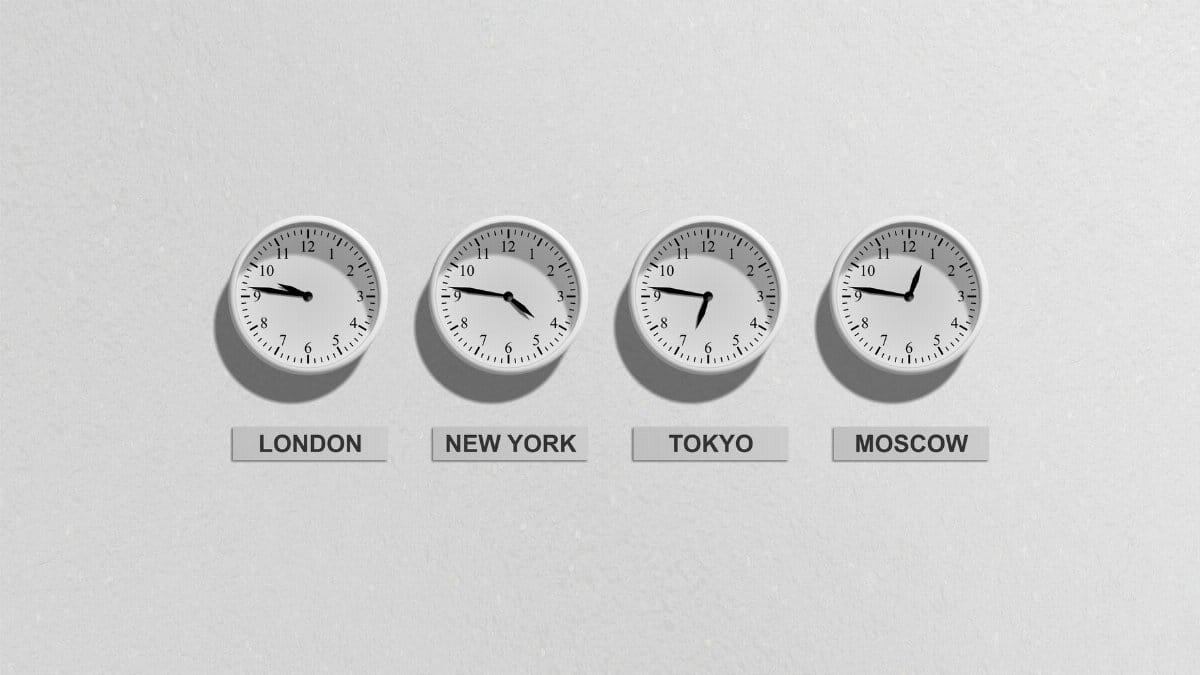
Households in the Americas often face late nights or early mornings when European fixtures align. Broadcasters adjust programming blocks to accommodate overlapping broadcasts yet the format still creates divided attention. Some families choose one match while recording the other for later viewing.
Strategic Shifts Among Competing Nations

National teams from smaller federations learned to prioritize goal difference calculations well before arrival at the tournament. Training regimens include simulated scenarios where both remaining matches occur without external information. Larger federations maintain analytics departments devoted to modeling these simultaneous situations.
Media Coverage Adaptations

Journalists stationed at separate stadiums must coordinate reports in real time to provide comprehensive accounts. Newsrooms developed split screen capabilities and rapid update systems to serve readers following multiple threads. The approach demands extra personnel yet yields richer narrative possibilities.
Comparisons With Earlier Tournament Formats
Before the synchronized model groups sometimes finished on staggered schedules that invited speculation about collusion. Several high profile incidents prompted calls for reform that World Cup Scheduling Germany helped answer. The change eliminated those particular controversies while introducing new logistical considerations.
Long Term Influence on Rule Evolution

Subsequent FIFA congresses have revisited the timing policy only to reaffirm its core principles. German representatives continue to participate in working groups that evaluate tournament structures. Their institutional memory provides continuity across decades of expansion and format adjustments.
Challenges for Host Cities and Venues
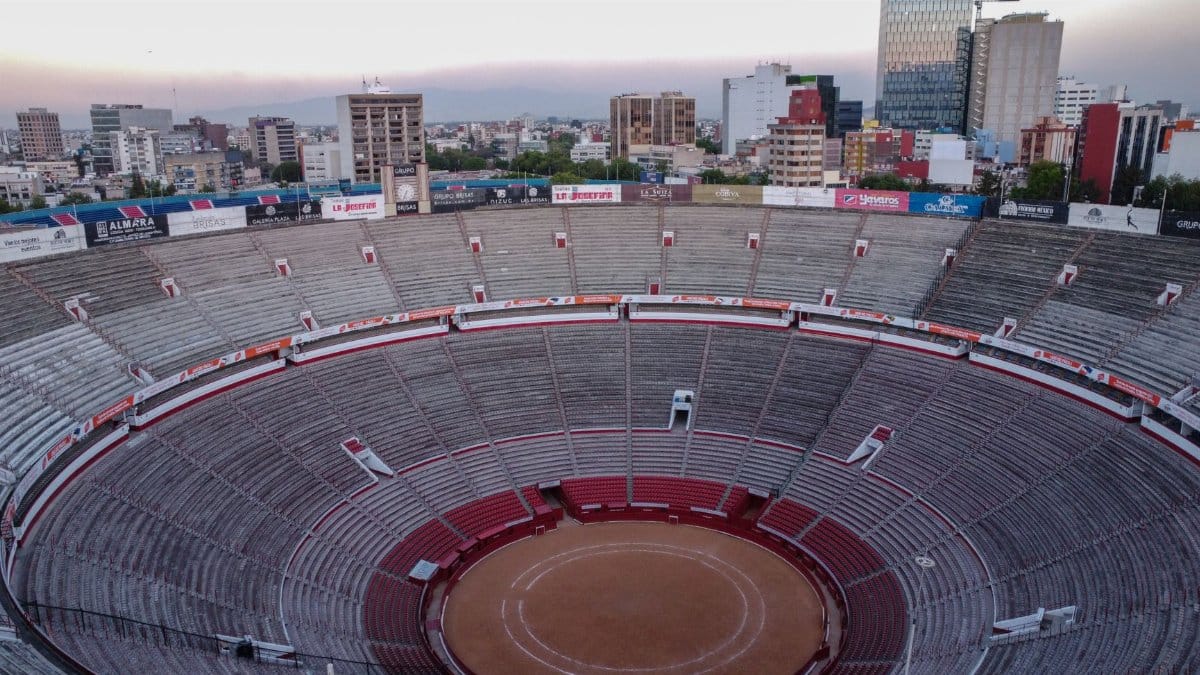
Stadium operators must synchronize security staffing transportation networks and medical teams across multiple sites. Local authorities coordinate closely with broadcasters to manage crowd flows during overlapping windows. The demands test municipal planning capacities in ways staggered schedules never did.
Outlook for Upcoming Editions

Discussions about expanding the tournament field have renewed attention to scheduling mechanics. Organizers weigh whether the simultaneous principle should extend to additional rounds or remain limited to group conclusions. Input from traditional voices including those tied to World Cup Scheduling Germany continues to inform these deliberations.