
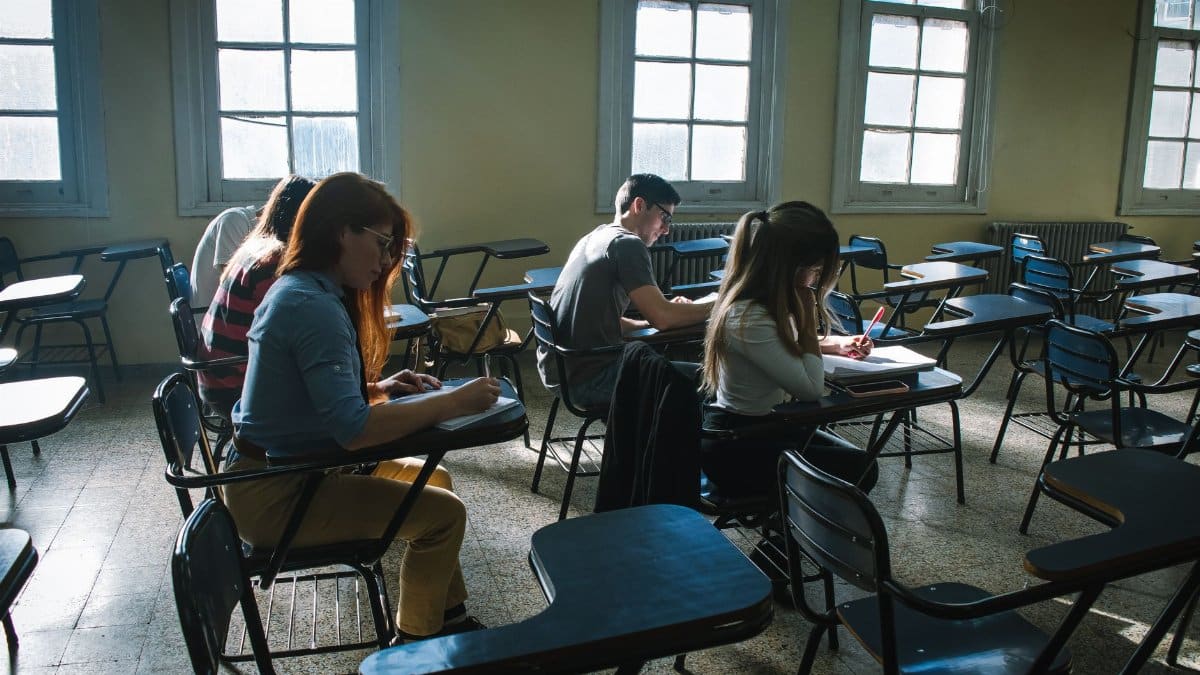
In the bustling classrooms of Philadelphia educators strive to deliver quality instruction despite persistent resource limitations. The topic of Philadelphia Education Funding often surfaces in conversations about how best to equip schools with necessary tools and personnel. Observers note that equitable distribution remains a challenge for administrators seeking to close achievement gaps in an era of shifting economic priorities.
Understanding Current Allocation Methods

Allocation methods involve formulas that consider student numbers and local tax bases. Lawmakers adjust these periodically to reflect economic shifts and population changes across districts. Philadelphia Education Funding relies heavily on a mix of state contributions and property taxes which creates variations in available resources from one neighborhood to another.
Impact on Teacher Recruitment Efforts

Schools report difficulties attracting and retaining qualified staff when salaries lag behind neighboring regions. This situation affects classroom stability and limits opportunities for professional development programs that could enhance teaching practices over time.
Addressing Infrastructure Needs in Older Buildings

Many facilities require updates to heating systems ventilation and safety features that support modern learning environments. Deferred maintenance adds pressure on annual budgets already stretched thin by competing demands for supplies and technology upgrades.
Role of Community Advocacy Groups

Local organizations work to raise awareness about disparities and push for policy reforms through public meetings and outreach campaigns. Their efforts bring attention to parent concerns and student experiences that might otherwise receive limited notice in broader policy discussions.
Comparisons with Surrounding Districts

Neighboring areas often benefit from stronger tax revenues allowing for smaller class sizes and expanded extracurricular options. Such differences fuel ongoing talks about regional cooperation to balance opportunities for all learners regardless of location.
Effects on Student Outcomes and Achievement

Research links adequate resources to improved test scores and graduation rates though results vary based on implementation quality. Students in better supported environments tend to show stronger progress in core subjects and college readiness measures.
Legislative Proposals Under Consideration
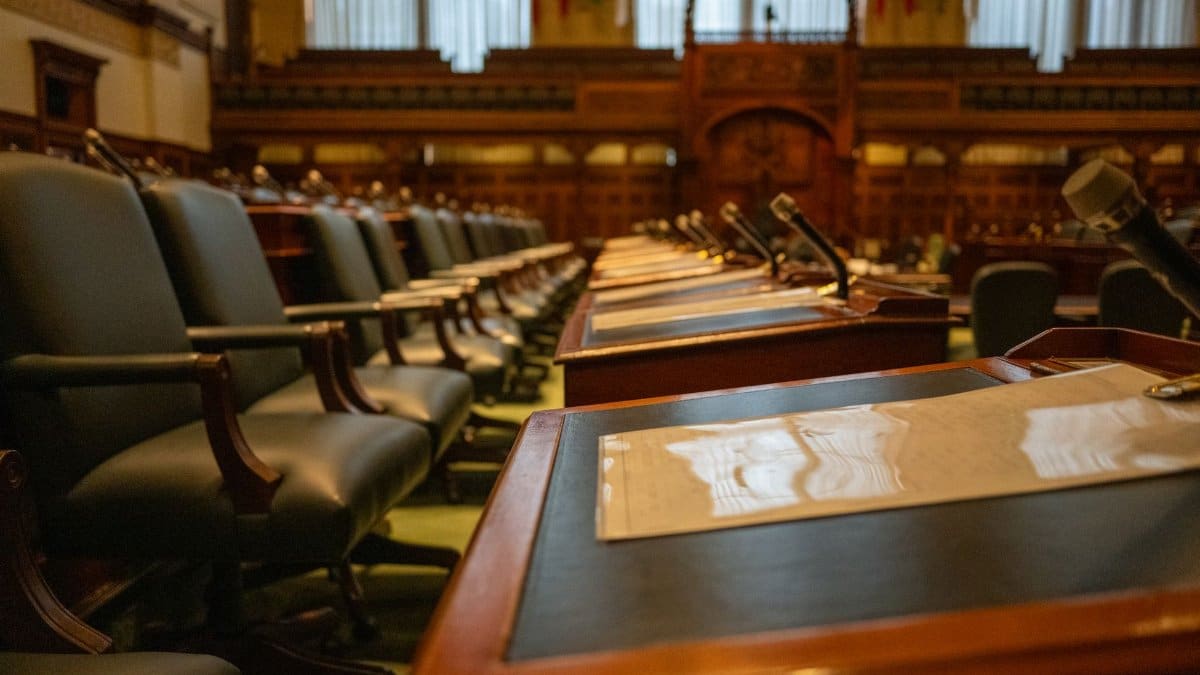
Recent bills aim to revise distribution formulas and increase overall support levels through new revenue sources. Debates center on fairness and accountability measures that would track how additional funds translate into tangible classroom improvements.
Perspectives from Educators in the Field

Teachers describe daily tradeoffs made when supplies run short or support staff positions go unfilled. Their accounts provide ground level views on how funding decisions shape lesson planning and student interactions throughout the school year.
Potential Paths Toward Sustainable Solutions

Experts suggest exploring diversified funding streams and partnerships with local businesses to supplement public sources. Longterm planning could help stabilize resources and reduce annual uncertainty that disrupts program continuity.