
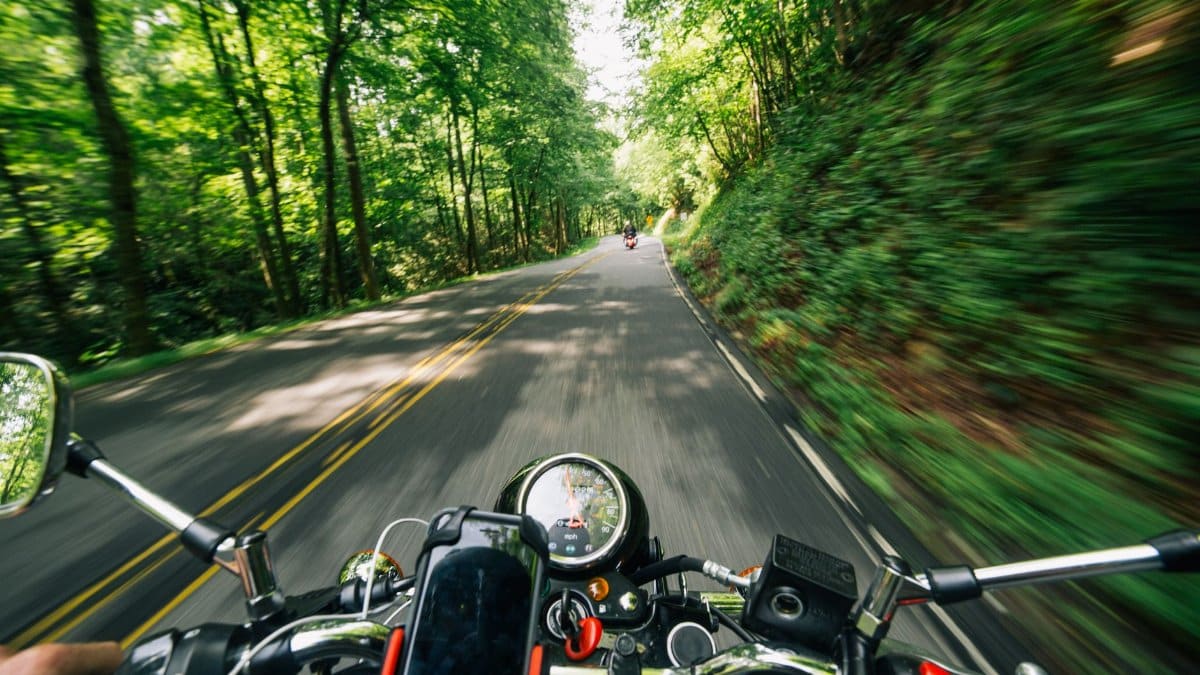
The open road has long symbolized freedom for motorcycle enthusiasts in the northern plains. Yet recent trends show a sharp rise in deadly incidents during the warmer months. According to state records motorcycle fatalities in Minnesota have more than doubled compared to the same period last year. This surge in Minnesota Motorcycle Fatalities has prompted renewed discussions among safety advocates and lawmakers alike. Communities across the state are grappling with the human cost as families mourn the loss of loved ones in these preventable tragedies. Public health officials emphasize the need for greater awareness and responsible riding practices to reverse this dangerous trajectory.
State Records Reveal Alarming Increases

Official tallies from the Minnesota Department of Public Safety paint a stark picture of the current season. Riders and passengers alike face elevated risks on both urban freeways and rural two lane roads. Analysts point to increased traffic volume combined with favorable weather as contributing elements that have amplified exposure on the pavement.
Common Causes Behind Recent Crashes
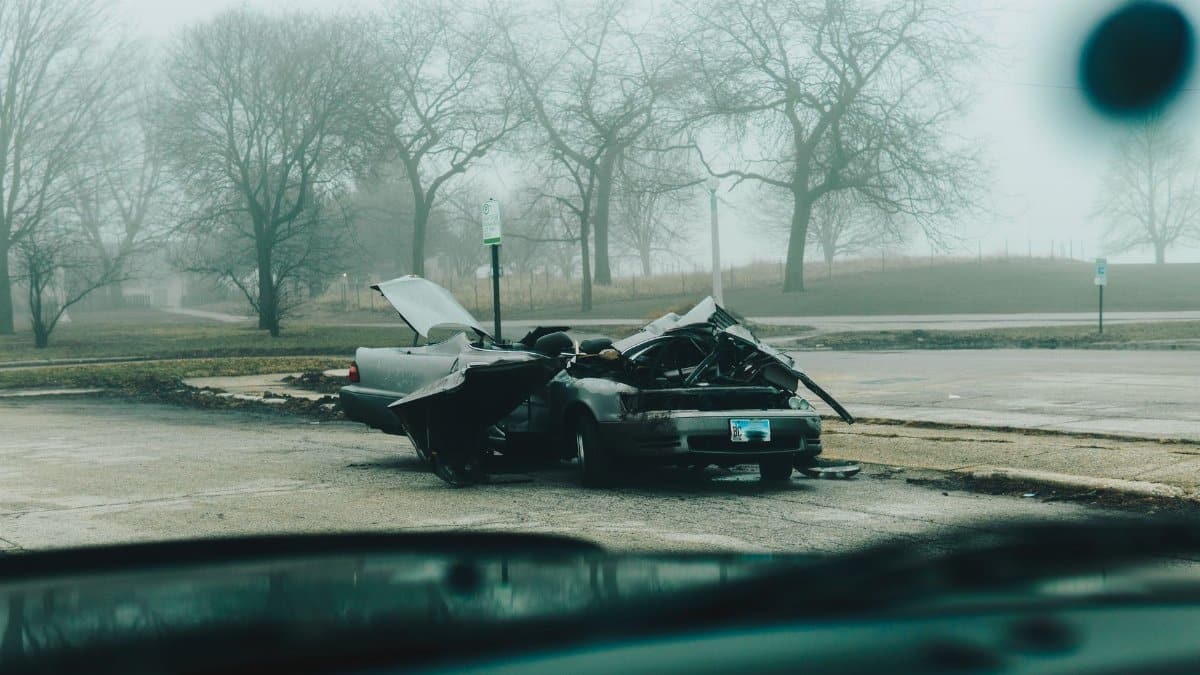
Investigators frequently cite failure to yield and excessive speed as primary factors in many collisions. Impairment from alcohol or drugs also appears in a notable share of cases according to preliminary reports. Weather conditions play a secondary role though wet surfaces after sudden storms can catch even experienced riders off guard.
Effects on Local Families and Towns
Each incident leaves behind grieving relatives who must navigate sudden voids in their daily lives. Small towns in particular feel the ripple effects when a well respected member of the community is lost. Support networks often form quickly yet the emotional recovery extends far beyond the initial weeks of mourning.
Legislative Efforts Under Consideration

Lawmakers have begun reviewing proposals aimed at strengthening helmet requirements and expanding enforcement during peak riding periods. Some measures focus on mandatory training refreshers for those returning to the road after long absences. Debate continues over the proper balance between individual liberty and collective safety responsibilities.
Education Programs and Their Reach

Existing rider courses offered through community colleges and motorcycle clubs seek to build skills before riders encounter real world hazards. Participation rates have climbed in recent seasons though gaps remain in reaching newer enthusiasts who purchase bikes without formal instruction. Expanded outreach could address these shortfalls over time.
Comparisons to Broader National Patterns

National highway data from the federal government shows similar upticks in several states with strong riding cultures. Minnesota stands out for the magnitude of its year over year change. Experts caution against drawing firm conclusions until full annual figures become available later in the fall.
Role of Infrastructure Improvements
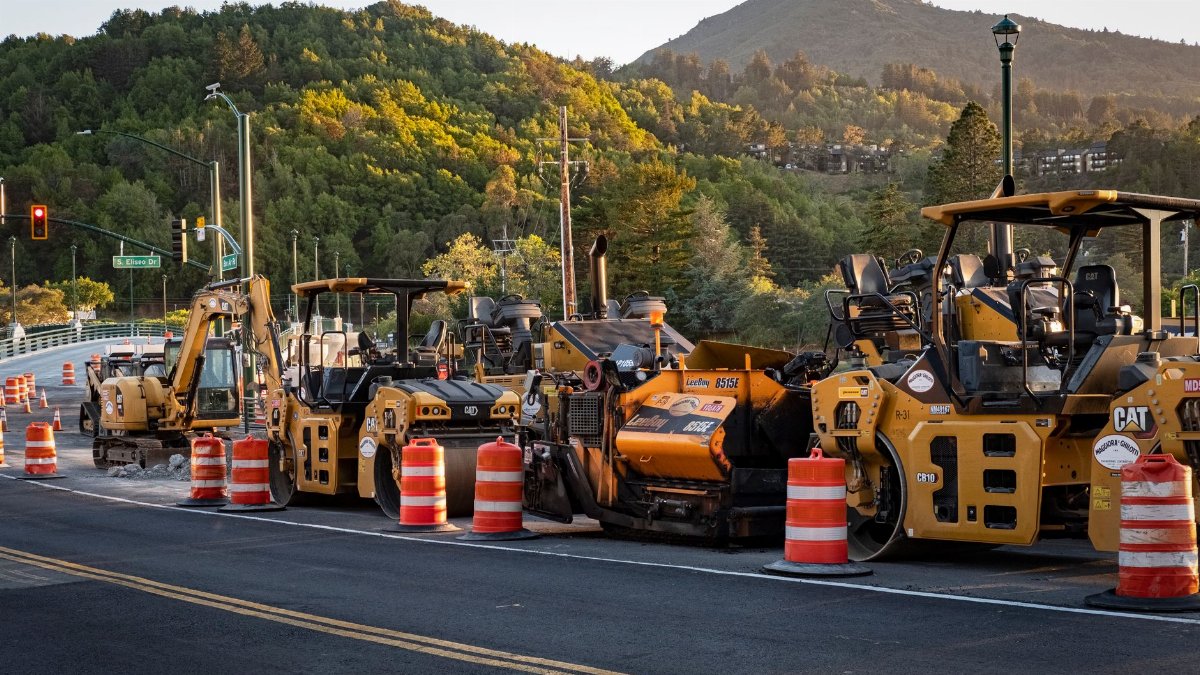
Transportation engineers continue to evaluate road design elements that may reduce crash severity for two wheeled vehicles. Wider shoulders and better signage at intersections represent areas of ongoing investment. These physical changes complement behavioral interventions in a layered approach to prevention.
Community Initiatives Spark Hope

Grassroots campaigns organized by rider groups and civic organizations promote shared responsibility on the highways. Events honoring those lost serve both as memorials and as reminders of practical steps individuals can take. Such efforts foster a culture where safety conversations occur naturally among peers.
Looking Ahead to Future Seasons

With riding season still unfolding officials stress vigilance from all road users. Continued monitoring of trends will inform adjustments to enforcement and outreach strategies. The goal remains clear even if achieving it demands sustained commitment across multiple agencies and stakeholder groups.