
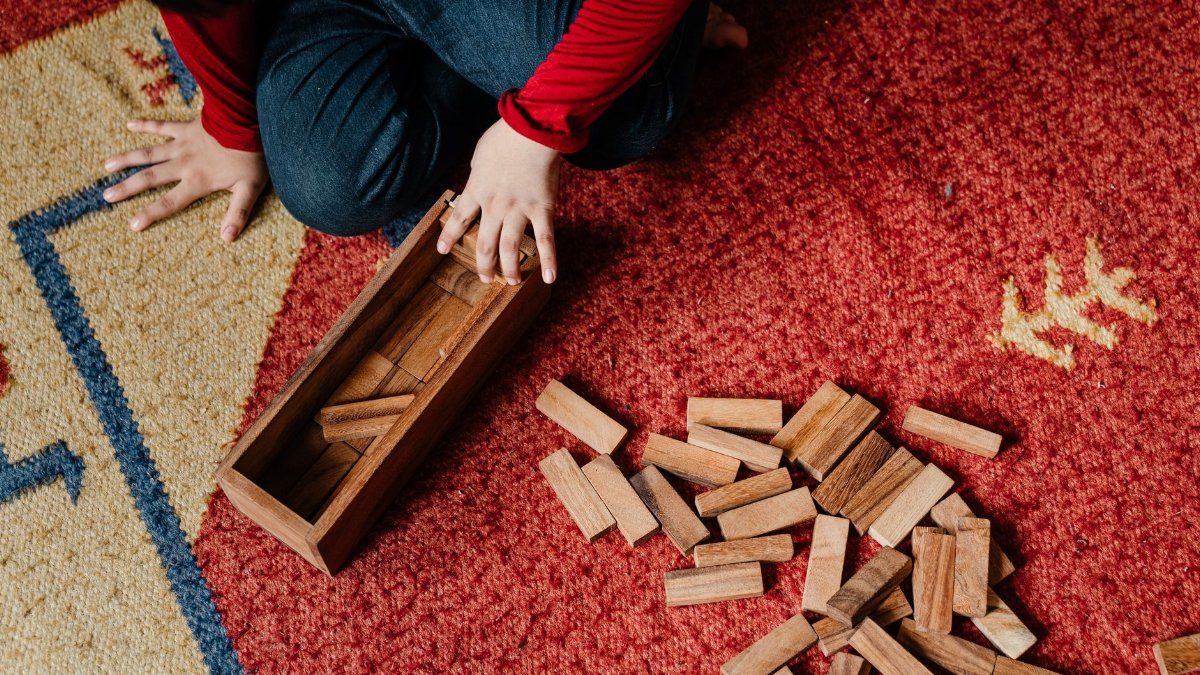
In classrooms and living rooms across the country children face constant interruptions from devices that fragment their attention. Parents and educators alike notice how difficult it becomes for young minds to stay with a single task for more than a few minutes. Cognitive Endurance describes the capacity to sustain mental effort through challenges without quick surrender. This quality matters now more than ever as digital stimuli compete for focus from an early age. Observations from teachers suggest that students who develop this trait handle complex assignments with greater calm and persistence.
Daily Schedules That Support Steady Focus

Consistent routines give children clear expectations about when work begins and ends. Families that set aside blocks for reading or problem solving without nearby phones report longer stretches of engagement. Such patterns train the mind to recognize effort as normal rather than exceptional. Over weeks these habits reduce the urge to switch tasks at the first sign of difficulty.
Physical Activity as a Foundation for Mental Stamina

Movement before study periods improves blood flow to the brain and sharpens readiness for sustained thinking. Schools that keep recess or outdoor time on the calendar see better concentration during subsequent lessons. Simple walks or bike rides after school serve the same purpose at home. The body and mind operate together so neglecting one weakens the other.
Reading Without Interruptions

Books remain one of the most direct paths to stronger mental persistence. When a child reads a chapter free of notifications the brain practices holding a narrative thread across many pages. Parents can model this by setting aside their own devices during shared reading time. Gradually longer texts become less daunting and more absorbing.
Teaching Children to Manage Frustration

Cognitive Endurance grows when young people learn to tolerate discomfort instead of escaping it. Adults can guide this process by staying present during difficult homework moments and offering calm reminders that confusion often precedes understanding. Small successes after struggle build confidence that effort leads somewhere useful. Over time the child relies less on quick relief and more on internal resolve.
Reducing Background Noise and Visual Clutter

Environments filled with screens and sounds make deep work harder for developing minds. Designating a quiet corner for study helps signal that certain spaces serve focused activity. Removing unused devices from view lowers the temptation to check them. Clear physical surroundings support clearer mental processes.
Encouraging Longer Projects at Home
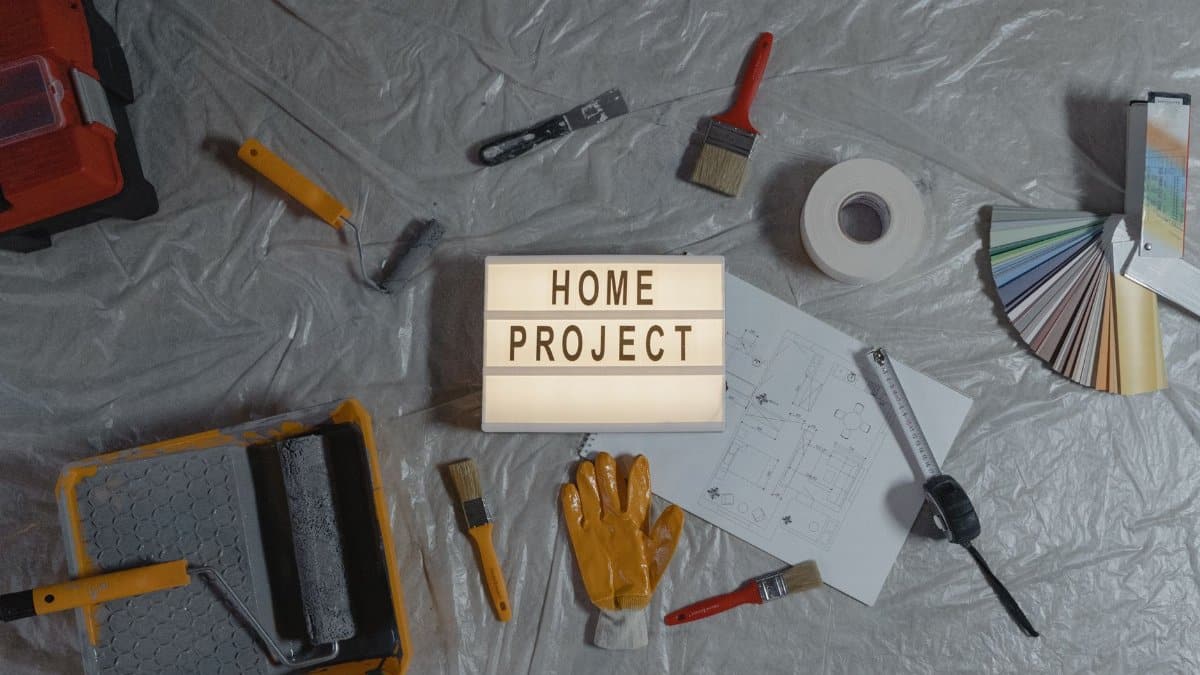
Tasks that span several days such as building a model or writing a story require planning and return visits. These projects train the ability to keep a goal alive across interruptions. Adults can help break large efforts into steps while leaving ownership with the child. Completion brings satisfaction that reinforces the value of continued application.
Community Examples and Broader Observations

Programs in several districts have introduced short daily sessions of silent reading followed by reflection. Early reports indicate gains in both patience and comprehension scores. Similar approaches appear in after school clubs where mentors emphasize process over speed. Broader cultural shifts toward valuing persistence may depend on such local experiments. For further reading on related research visit the original source at https://www.scientificamerican.com/article/how-to-build-kids-cognitive-endurance-in-an-age-of-distraction/.