

Many people reach a point where the familiar routines of work and family begin to loosen their grip, opening space for new possibilities. At this stage, the idea of venturing farther from home can feel both exciting and daunting. Stories of later life journeys often highlight unexpected rewards that come from stepping outside comfort zones. Travel Later represents one such path, where individuals discover renewed purpose through deliberate exploration rather than hurried escapes. The decision to embrace movement in these years requires weighing personal circumstances against the pull of the unknown.
Changing Views on When Adventure Begins

Society has long associated extended travel with youth, yet recent patterns show older adults claiming their share of the map. This shift challenges old assumptions about energy and timing. Many find that accumulated life experience equips them to navigate unfamiliar places with greater patience and insight. Communities in places like Portugal and Japan now cater specifically to this group, offering slower paced experiences that value reflection over checklists.
Addressing Health Realities Without Delay

Concerns about mobility or medical access often surface first when considering longer trips. Preparation involves consulting trusted physicians and researching reliable care options abroad. Travelers who succeed tend to choose destinations with strong healthcare infrastructure and moderate climates. They also build flexibility into itineraries, allowing rest days that prevent exhaustion from undermining the entire experience.
Financial Steps That Support Freedom

Budgeting for extended travel differs from planning a standard vacation. It requires examining savings, pensions, and potential income streams that can sustain months away from home. Some individuals downsize housing or sell vehicles to free resources. Others explore house sitting arrangements or seasonal work that offsets costs while providing local connections.
Emotional Preparation for Solo or Paired Journeys

Leaving behind established social circles brings a mix of anticipation and unease. Those who adapt well often start with shorter domestic trips to test routines and build confidence. Maintaining regular contact through video calls helps ease the transition. The process can strengthen self reliance while revealing how relationships endure distance.
Stories From Recent Converts to Extended Travel

One retired teacher from Ohio spent eight months in Southeast Asia after selling her home. She described learning basic phrases in local languages as a way to form genuine exchanges rather than tourist interactions. Another couple from Arizona cycled through parts of Europe, adjusting their pace each week based on energy levels. These accounts illustrate how ordinary people transform initial hesitation into lasting memories.
Practical Tools That Simplify Logistics

Modern applications assist with everything from translation to medication reminders. Selecting devices that handle multiple time zones and store essential documents reduces daily friction. Many also rely on travel insurance tailored to longer durations, which covers disruptions that short term policies overlook. These resources allow focus on the journey itself.
Deepening Connections Through Local Engagement
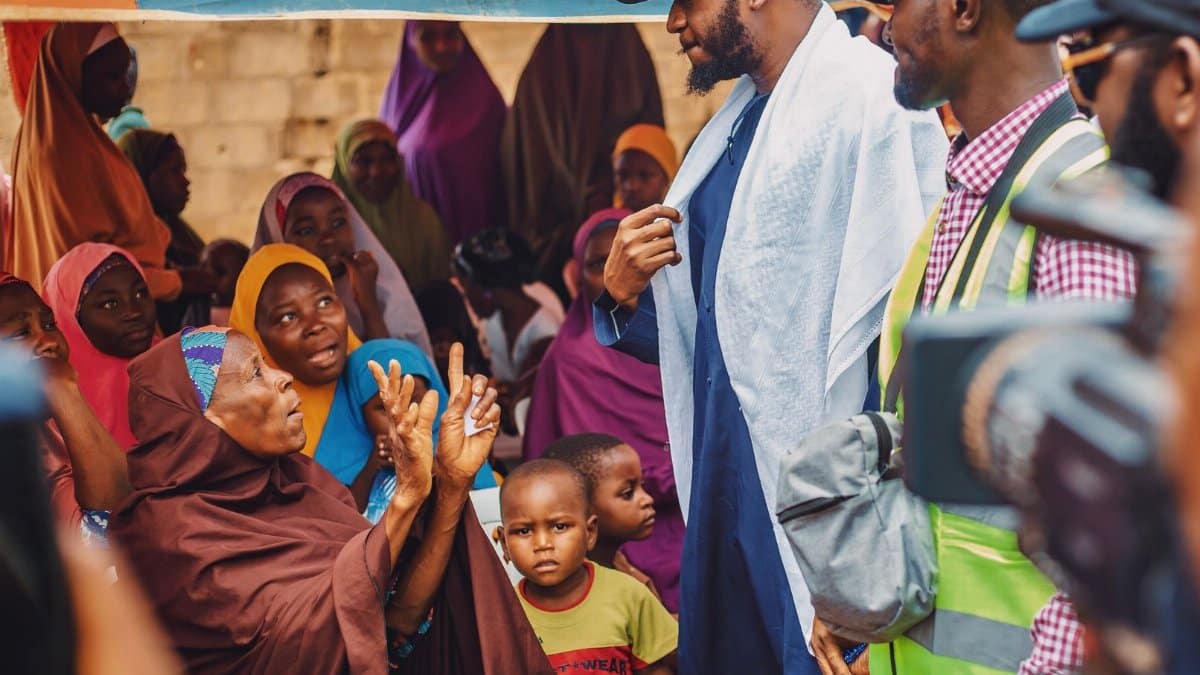
Extended stays open doors to volunteer opportunities or language classes that integrate visitors into daily life. Participants report stronger senses of belonging compared with brief sightseeing tours. Such involvement often leads to invitations for home cooked meals or community events that reveal the character of a place beyond surface impressions.
Reentry and Lasting Personal Shifts

Returning after months away can feel disorienting at first. Former routines may no longer fit as neatly. Many describe a clearer sense of priorities, whether that means simplifying possessions or pursuing new interests. The perspective gained often influences decisions about where and how to spend subsequent years.