

The arrival of fresh businesses at a longstanding Houston retail destination signals more than routine turnover. It reflects shifting preferences among families and professionals who seek convenient gathering spots close to home. Memorial City Tenants now include a gelato shop offering handmade flavors and a specialty bike store focused on urban commuting models. These additions arrive at a moment when enclosed centers compete with open air alternatives and online options. Local observers note the choices may draw evening visitors who linger rather than rush through errands.
Retail adjustments in established districts
Memorial City has operated for decades as a central point for northwest Houston shoppers. Recent leasing activity shows managers responding to demand for experiences that blend treats with practical purchases. The gelato outlet emphasizes seasonal ingredients sourced from regional suppliers. Meanwhile the bike retailer stocks models suited to short commutes and weekend recreation on nearby trails. Such pairings aim to extend dwell time inside the complex.
Community routines around new arrivals

Residents in surrounding neighborhoods often combine shopping with family outings. A gelato stop provides a low key destination after school hours or weekend errands. The bike store supports those exploring alternatives to daily driving amid rising fuel costs. Together the tenants encourage repeat visits without requiring travel to distant entertainment zones.
Lease strategies amid changing foot traffic
Property teams at similar centers track visitor patterns through anonymized data. Decisions to welcome food concepts alongside active lifestyle retailers stem from observed gaps in current offerings. Managers report interest from tenants who value proximity to medical offices and residential pockets. This approach differs from earlier eras when apparel dominated leasing plans.
Local suppliers benefit from expanded presence
The gelato shop works with Texas dairies and fruit growers to maintain menu variety. Its opening creates outlets for smaller producers seeking steady accounts. The bike store sources accessories from domestic makers when possible. Both businesses cite reduced shipping needs as a factor in inventory planning.
Evening activity and safety considerations
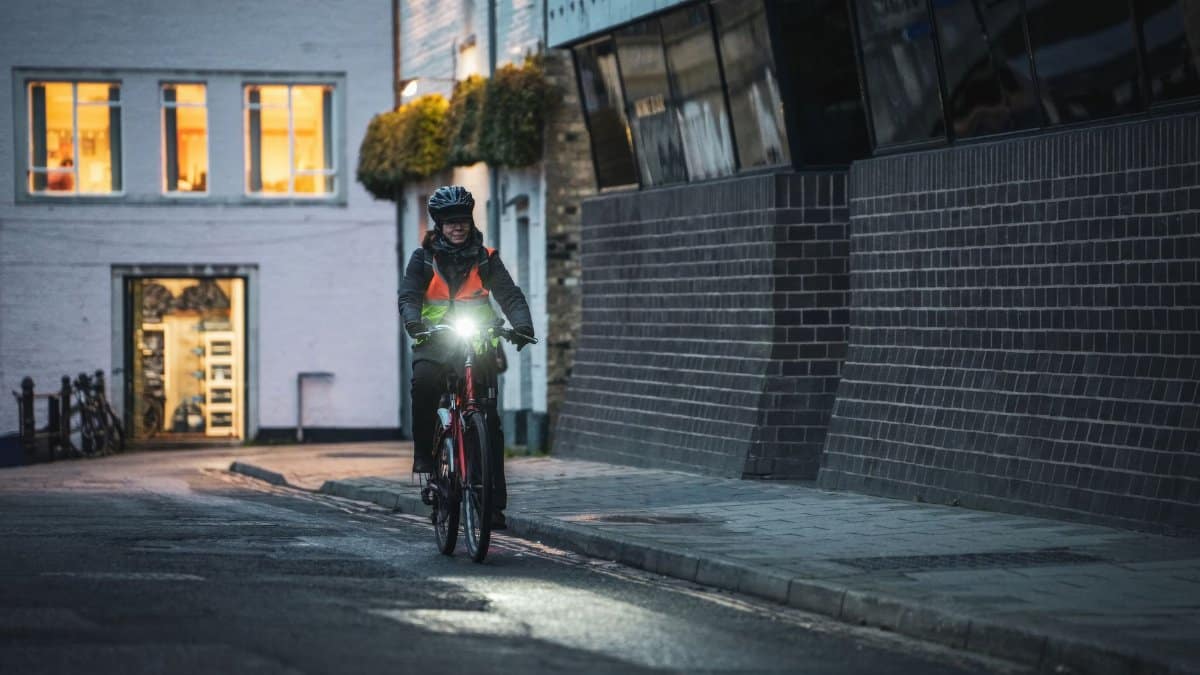
Extended hours at the new locations contribute to livelier common areas after sunset. Security personnel note increased presence of families and couples during these periods. Lighting upgrades completed last year support the shift toward later visits. Such changes align with broader efforts to maintain relevance against suburban competitors.
Transportation options near the complex
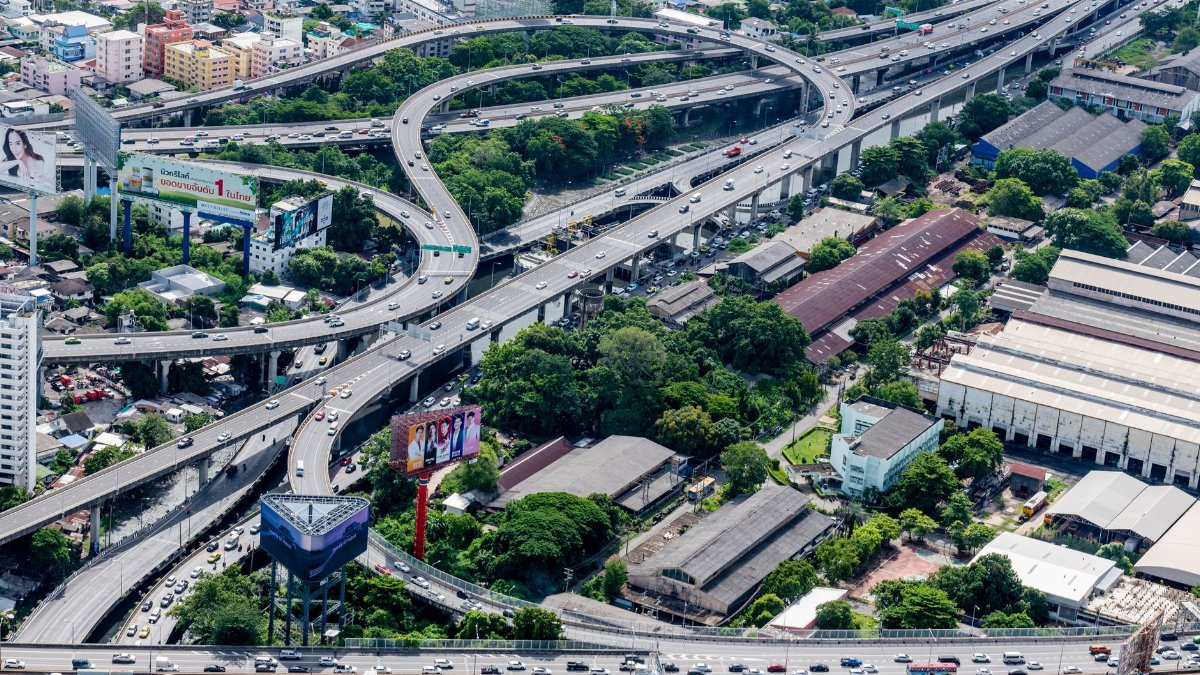
The bike retailer positions itself to serve customers who combine purchases with public transit or short rides home. Dedicated racks outside the store entrance encourage this integration. Nearby bus routes and planned path extensions further support multimodal access for shoppers.
Future phases and tenant mix goals

Leasing documents indicate room for additional food and service concepts in coming months. Planners emphasize balance between national chains and independent operators. Feedback sessions with neighborhood associations help shape selections that fit existing character. Memorial City Tenants overall are expected to evolve gradually rather than through abrupt overhauls.
Measuring impact on surrounding businesses

Independent restaurants located just beyond the complex boundaries watch the developments with interest. Some anticipate spillover traffic from visitors who park once and explore multiple stops. Others prepare adjustments to their own menus or hours. Early indicators suggest cooperative rather than competitive dynamics.
Broader retail patterns across the region

Houston continues to see experimentation in mixed use retail environments. Centers that incorporate food and recreation elements report steadier occupancy rates. The Memorial City Tenants reflect this pattern while remaining grounded in everyday needs of area households. Ongoing monitoring will reveal whether the current selections sustain momentum through seasonal shifts.