

For many the game of golf appears as little more than a weekend pastime played on manicured lawns under open skies. Yet for one woman who had spent years searching for stability after profound loss the sport became something far deeper. Through steady practice and quiet moments between shots she discovered Golf Healing a process that turned the fairways into a place of belonging and renewal. Her story shows how an ordinary activity can quietly reshape a life marked by displacement and grief.
Leaving Familiar Shores Behind
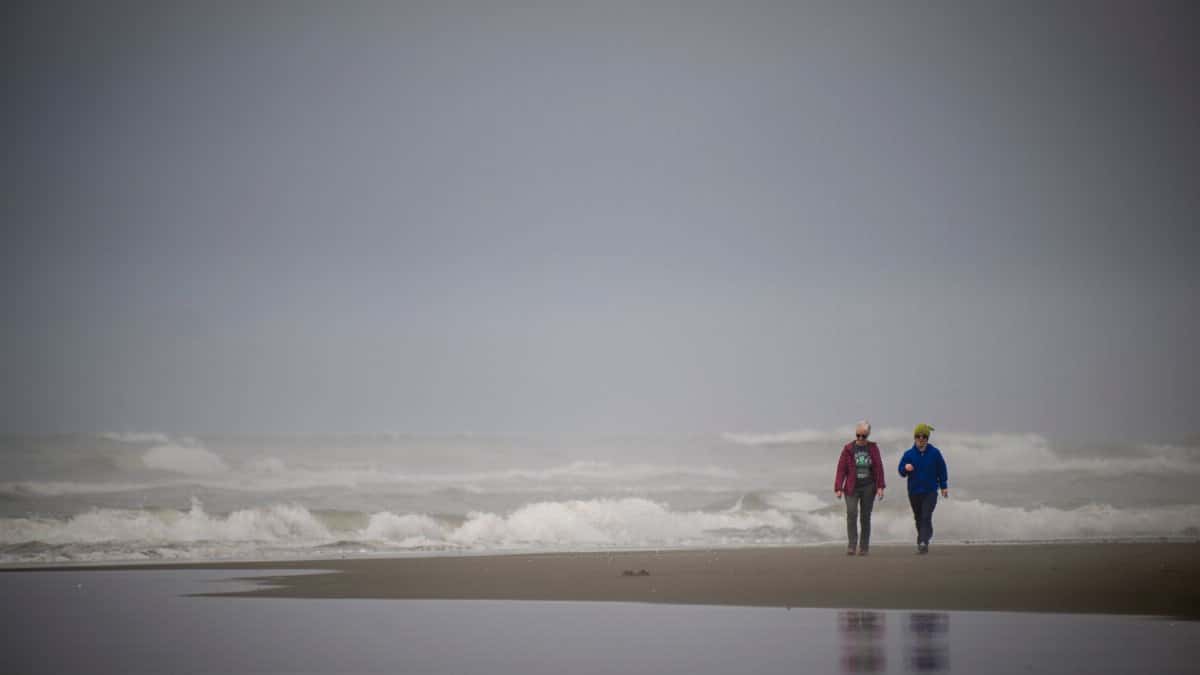
She grew up in a coastal town where family roots ran deep and daily rhythms followed the tides. When economic shifts forced relocation the sense of home fractured. Apartments in new cities never felt permanent and social circles remained surface level at best. The absence of familiar landscapes left an ache that ordinary routines could not ease.
First Steps Onto the Green
A friend suggested trying golf as a way to spend time outdoors without pressure to socialize. The initial lessons focused on grip and stance rather than scores. Each swing demanded attention to breath and balance which slowly quieted the constant mental noise of transition. The course offered space without demands for conversation or explanation.
Building Routine Through Repetition

Weekly visits turned into a reliable pattern. Mornings on the driving range created structure during weeks otherwise filled with uncertainty. Progress came in small measures such as consistent contact with the ball or improved posture. These minor victories accumulated into a private record of resilience that existed outside professional or social achievements.
Nature as Silent Companion
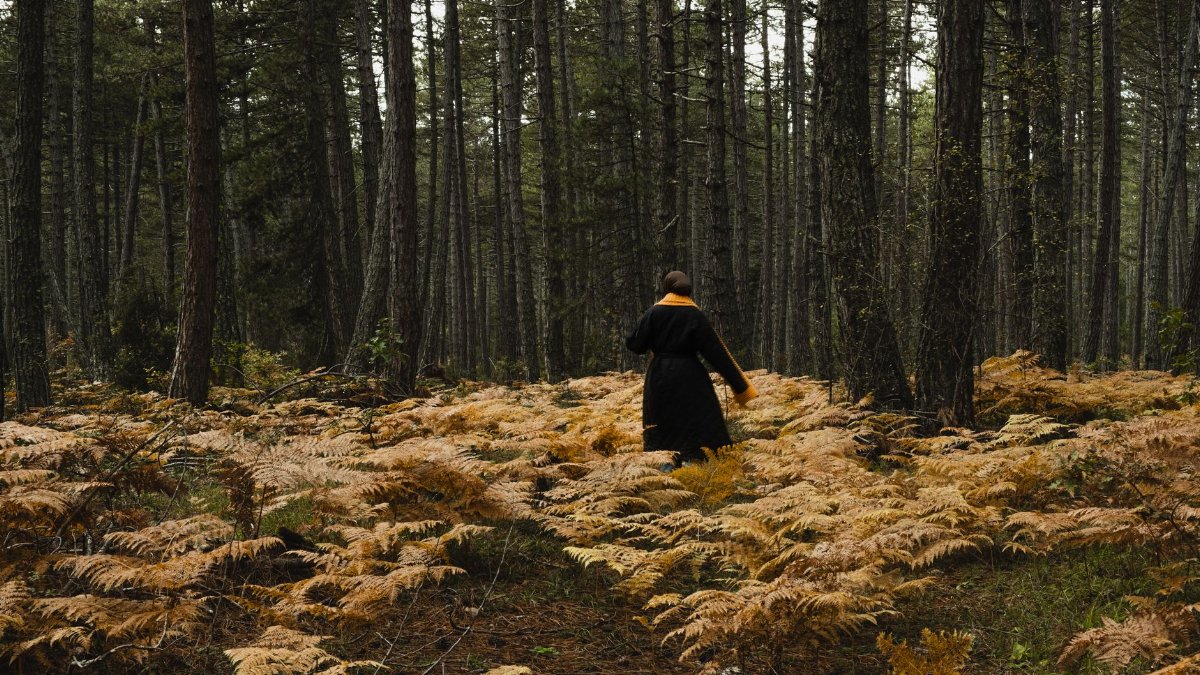
Trees lining the fairways and wind moving across open fields provided a backdrop free of judgment. Observations of wildlife or changing light became part of the experience. The natural setting encouraged presence without forcing reflection which allowed memories of past homes to surface gradually rather than overwhelm.
Connecting With Fellow Players
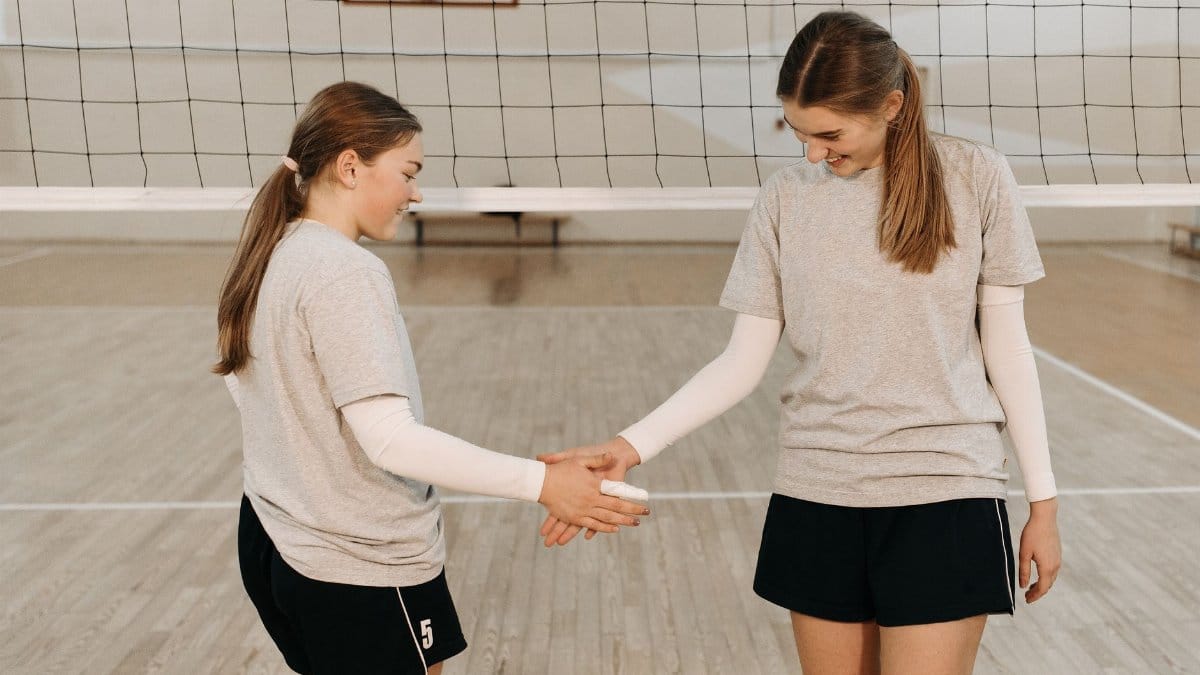
Over time brief exchanges with other golfers led to shared tips and occasional rounds together. Conversations stayed centered on the game yet created threads of connection. No one pressed for personal history which made the interactions feel safe and sustainable compared with more intimate settings.
Physical Changes and Inner Calm
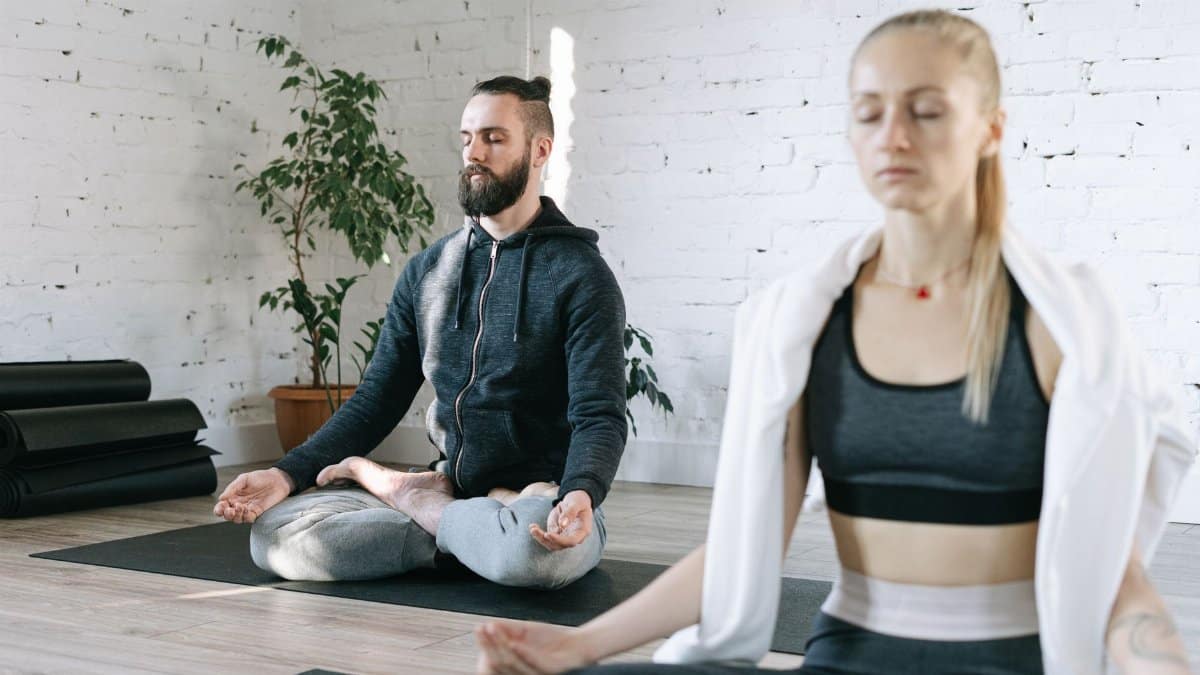
Regular walking across eighteen holes improved stamina and posture. The physical exertion paired with focused breathing produced a calm that lingered after leaving the course. Sleep patterns steadied and daily stressors appeared more manageable as a result of this consistent movement and concentration.
Redefining What Home Means

Home shifted from a fixed address to a state reached through repeated engagement with the game. The course became the location where past and present could coexist without conflict. Each visit reinforced a sense of agency that had been missing since the original move away from her childhood town.
Sharing the Practice With Others
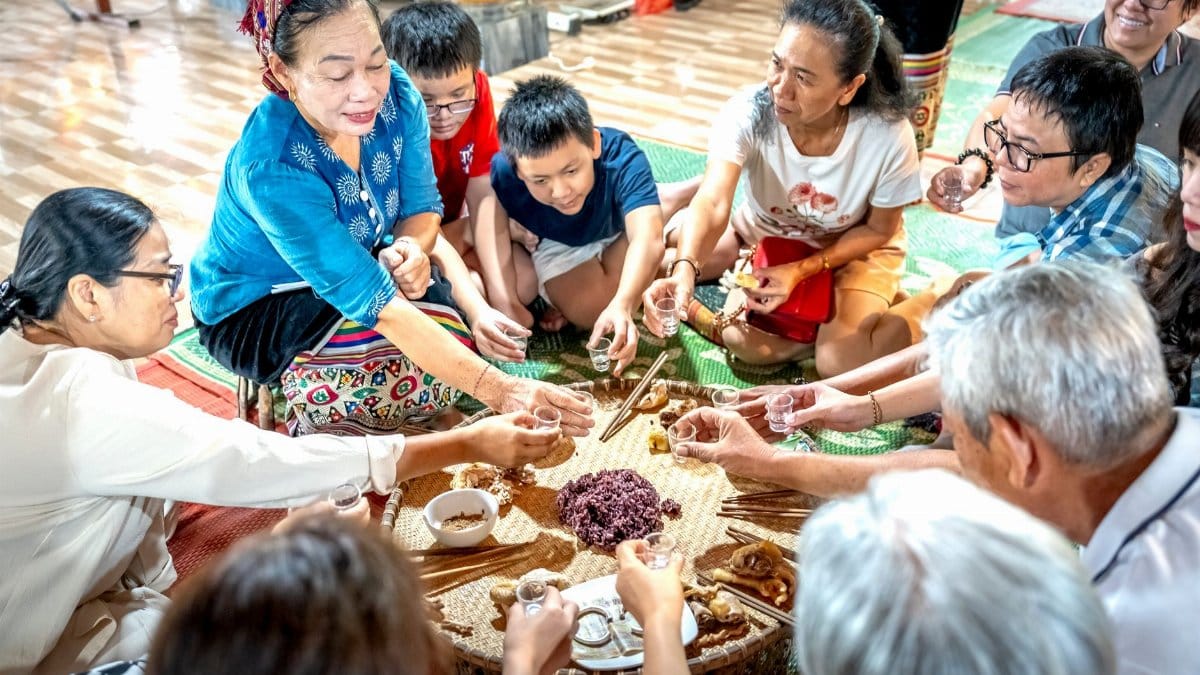
She began introducing newcomers to the basics without positioning herself as an expert. Teaching reinforced her own understanding of Golf Healing while extending the same steadiness she had found. Small groups formed around casual play which broadened the circle of support without requiring intense emotional exchange.
Long Term Perspective on Healing
Years later the woman still returns to the same course. Scores matter less than the continued sense of place the game provides. Golf Healing remains an ongoing practice rather than a completed chapter which allows room for new challenges while preserving the core stability discovered on the fairways.