
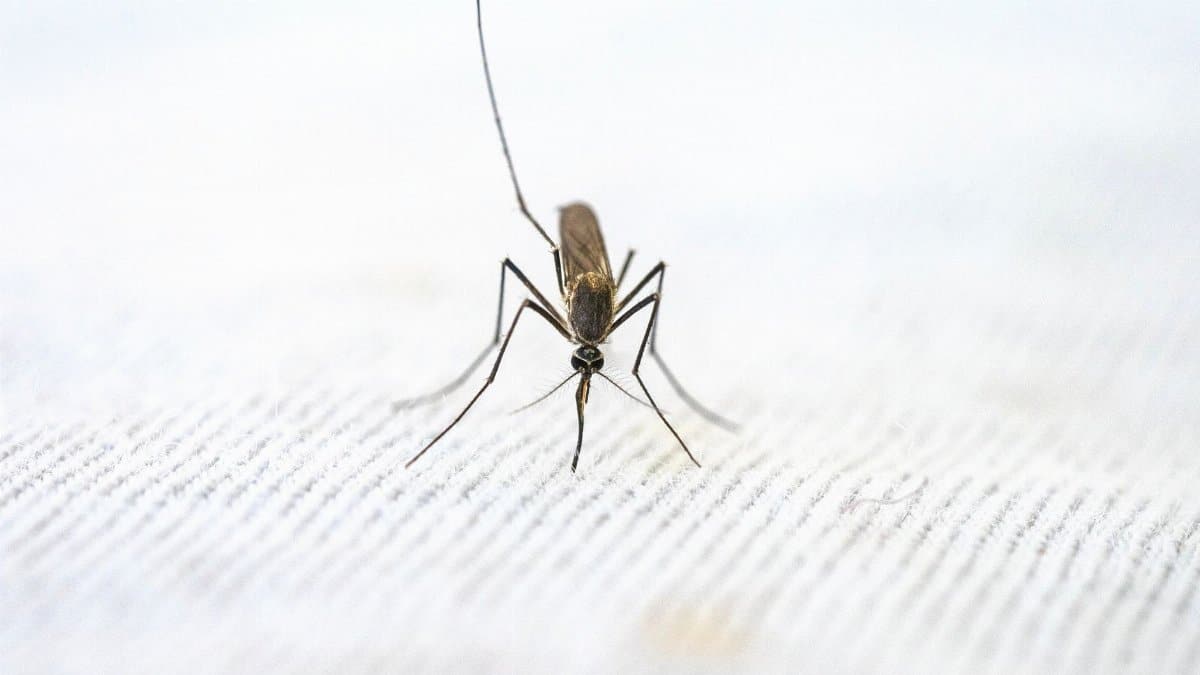
After weeks of relentless rainfall transformed streets into breeding grounds across Fort Bend County, officials moved swiftly to declare a public health emergency. The move underscores the urgent Mosquito Emergency now confronting families who face clouds of insects that disrupt routines and raise concerns about disease transmission in suburban communities.
Origins of the Current Surge

Prolonged storms left standing water in yards, drainage ditches and construction sites throughout the region. These pools provided ideal conditions for rapid mosquito reproduction. County records show trap counts rising sharply in recent weeks, far exceeding typical seasonal levels.
Public Health Measures Activated

Authorities launched aerial spraying operations and increased ground based treatments in high risk zones. Residents received advisories to eliminate water sources near homes and use protective repellents during evening hours. The coordinated effort aims to reduce populations before peak summer activity.
Health Risks Under Scrutiny

West Nile virus and other mosquito transmitted illnesses remain primary worries for health departments. Local clinics report heightened inquiries about symptoms such as fever and joint pain. Officials stress early detection and urge prompt medical attention for anyone experiencing unusual discomfort.
Impact on Daily Community Life

Outdoor events including youth sports practices and evening gatherings have been scaled back or relocated indoors. Families describe altered evening routines as they install screens and limit time on patios. Local businesses note fewer customers after dusk as people avoid open spaces.
Role of Weather Patterns
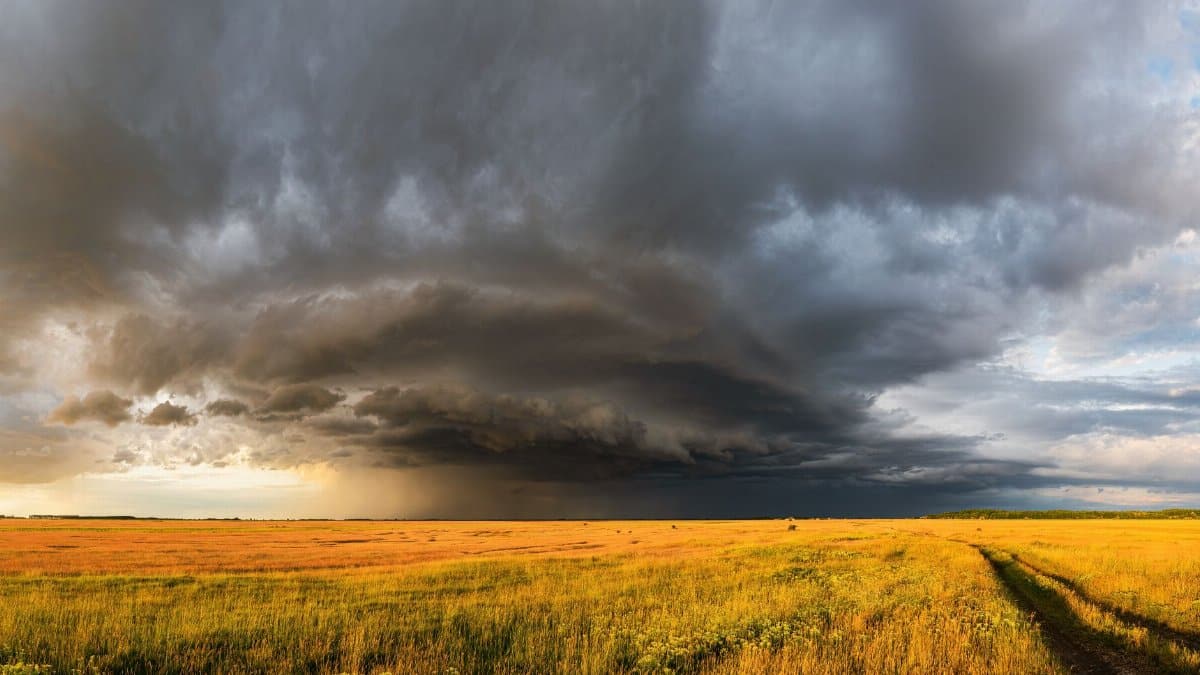
Climate experts point to shifting rainfall trends that deliver intense downpours followed by humid intervals. Such cycles create repeated opportunities for egg hatching and larval development. Forecasters anticipate continued favorable conditions for insects unless drier weather arrives soon.
Resident Experiences and Adaptations

Longtime homeowners recount previous outbreaks but describe this season as notably intense. Many have invested in professional pest control services or community clean up drives to remove debris. These grassroots actions complement official spraying routes and foster a shared sense of vigilance.
Broader Environmental Considerations

While targeting mosquitoes, spraying programs draw attention to effects on pollinators and aquatic life in treated waterways. County biologists monitor selected sites to balance pest reduction with ecological preservation. Discussions continue about refining application timing to limit unintended consequences.
Looking Toward Future Preparedness

County planners review drainage infrastructure upgrades and expanded surveillance networks to handle similar events. Funding proposals include new equipment for faster response and public education campaigns that run year round. Such steps seek to build resilience against recurring threats tied to weather extremes.
Coordination Among Agencies

State health departments and federal partners provide technical support and additional resources during the declared emergency. Joint task forces meet regularly to assess progress and adjust tactics based on trap data and resident feedback. This layered approach helps maintain consistent coverage across municipal boundaries.