

When a loved one passes the emotions that follow can be tangled and hard to sort through especially if the relationship carried unresolved tensions or mixed feelings. In such cases people often encounter what experts term Complicated Grief a form of mourning that lingers and disrupts daily life more intensely than typical sorrow. This experience surfaces across many households each year leaving families to seek paths toward acceptance amid lingering questions.
Recognizing Signs of Prolonged Sorrow
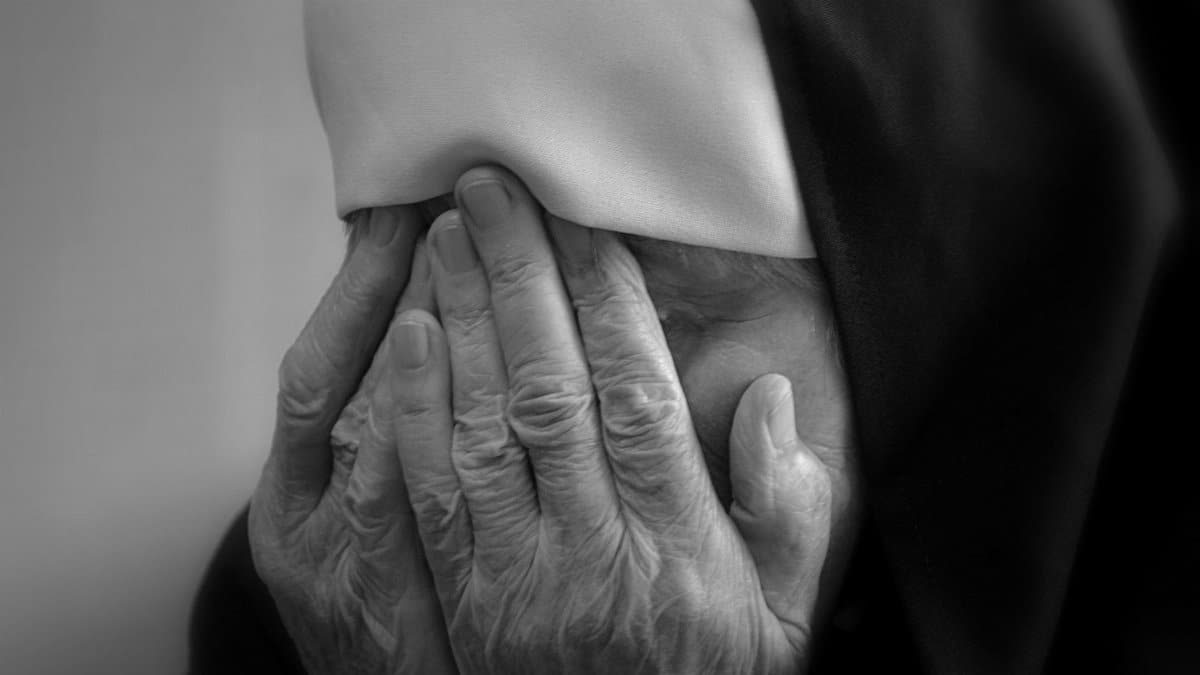
Observers note that Complicated Grief often shows itself through persistent yearning or preoccupation with the deceased. Daily routines may stall as individuals replay past conversations seeking closure that remains elusive. Friends and relatives sometimes mistake these patterns for ordinary sadness yet the intensity sets them apart.
Exploring Family Dynamics After Death
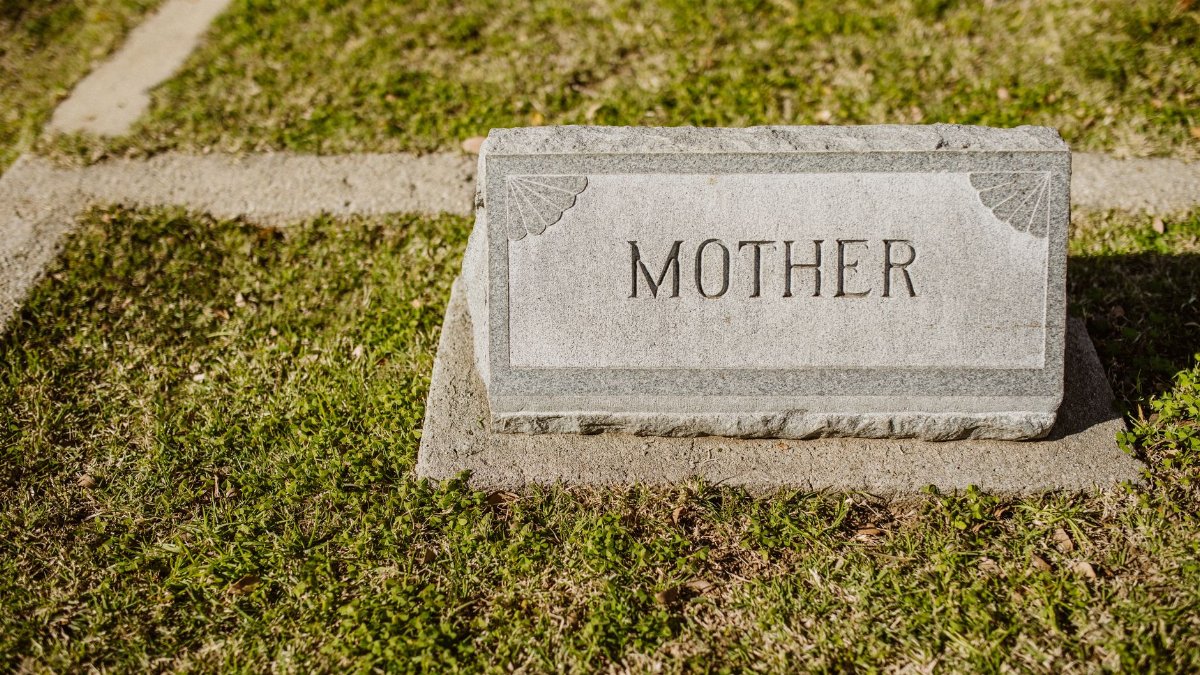
Relationships rarely fit simple molds and this truth becomes evident when death arrives. Old arguments or unspoken affections can resurface prompting relatives to reassess shared histories. Counselors suggest open dialogues help ease the weight yet such talks require patience and time.
The Role of Unfinished Conversations

Many adults carry memories of words left unsaid. These gaps fuel the persistence of Complicated Grief by keeping emotional loops active long after a funeral ends. Writing letters or speaking aloud in private settings offers one avenue to release what was never voiced.
How Communities Offer Support Structures

Local groups and online forums gather those facing similar losses creating spaces where stories flow without judgment. Participants report gradual relief as they hear echoes of their own struggles in others accounts. Professional facilitators guide sessions to maintain focus on forward movement.
Distinguishing Typical Mourning From Deeper Struggles
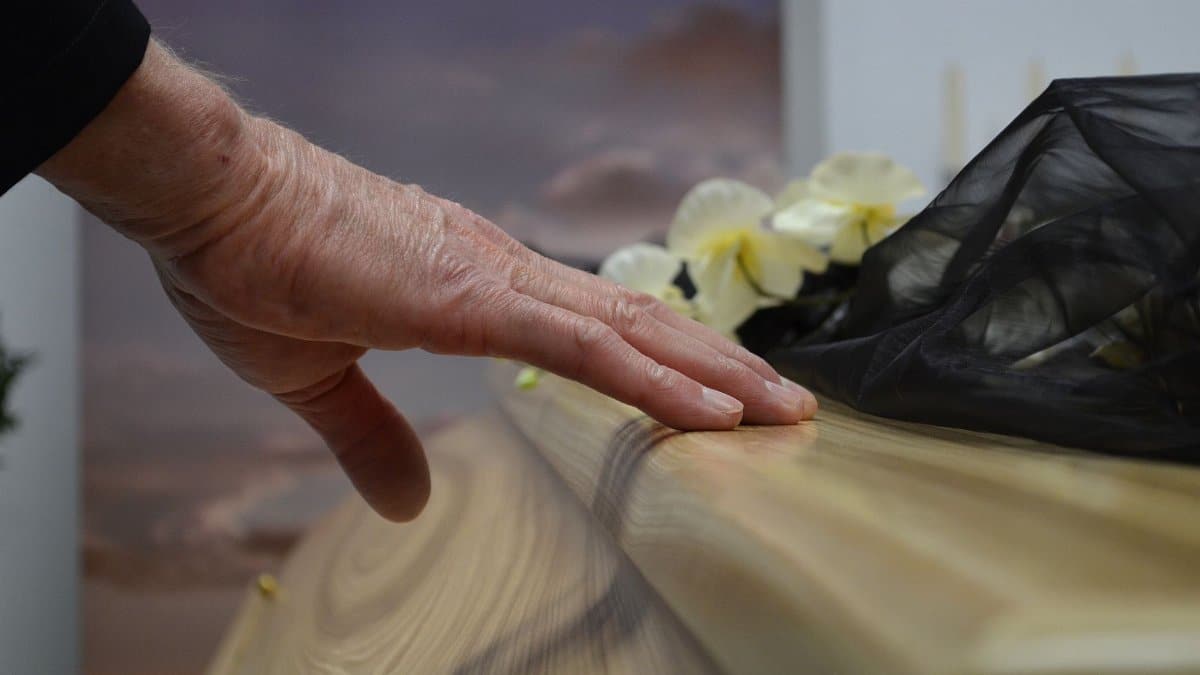
Standard grief tends to soften over months while Complicated Grief holds steady or intensifies. Sleep patterns shift and concentration wanes to a degree that affects work and personal ties. Clinicians use structured assessments to identify when extra intervention may prove useful.
Personal Rituals That Aid Daily Coping
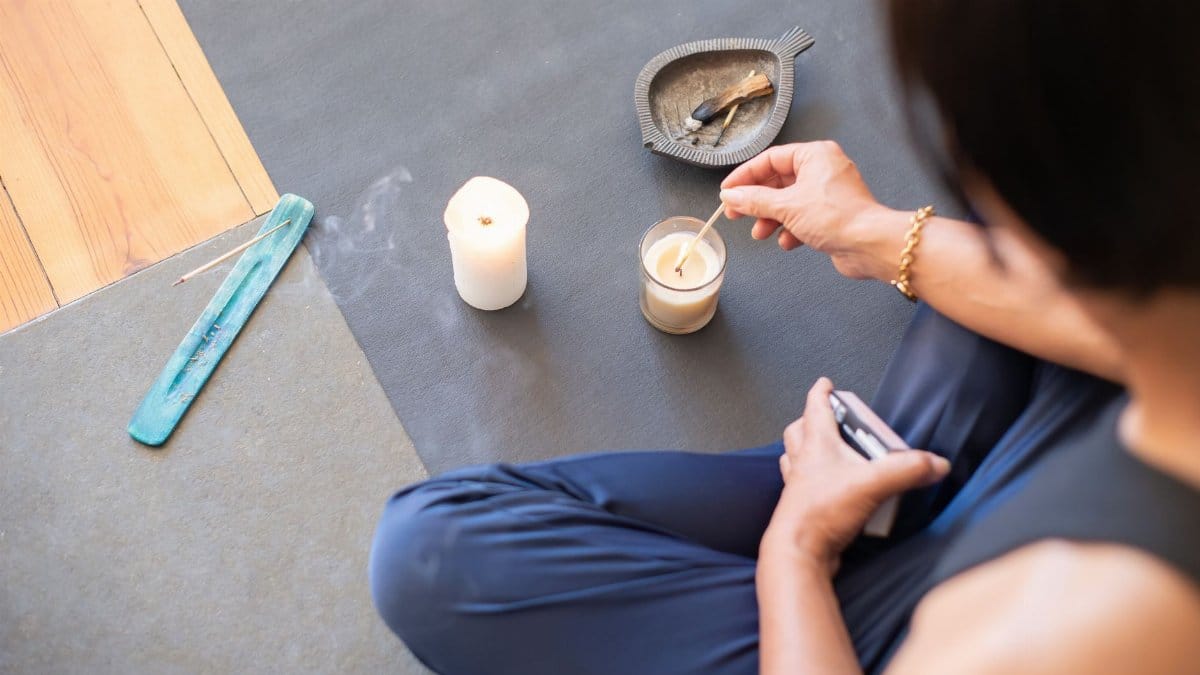
Some individuals create small ceremonies such as lighting a candle at set hours or visiting meaningful locations. These acts ground scattered thoughts and mark the passage of time in tangible ways. Consistency matters more than grandeur in establishing a sense of order.
Seeking Professional Guidance at Key Moments
Therapists trained in grief modalities provide tools tailored to tangled bonds. Sessions might involve revisiting pivotal events to reframe lingering guilt or regret. Progress unfolds unevenly yet many describe renewed capacity for joy after sustained effort.
Cultural Views on Complex Loss Experiences

Different traditions approach mourning with varying expectations around duration and expression. Some societies encourage public displays while others favor quiet reflection. Understanding these backgrounds helps outsiders offer respectful presence rather than prescribed timelines.
Long Term Effects on Mental Wellbeing
Left unaddressed Complicated Grief can contribute to isolation or health declines over years. Conversely those who find constructive outlets often report stronger empathy toward others facing hardship. Awareness campaigns aim to normalize asking for help without stigma.
Stories of Gradual Renewal and Hope
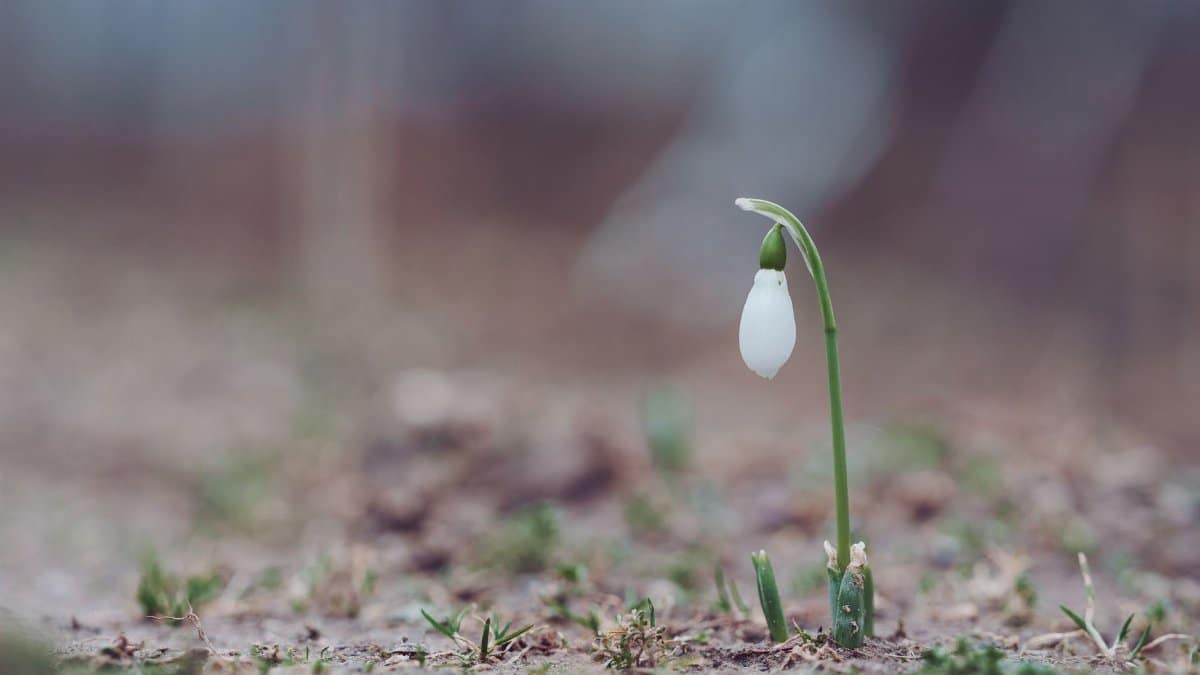
Accounts from middle aged adults illustrate paths from heavy fog toward steadier ground. One woman described planting a garden in memory of a difficult parent finding unexpected peace in the process. Such narratives underscore that adaptation remains possible even after deep complications.