
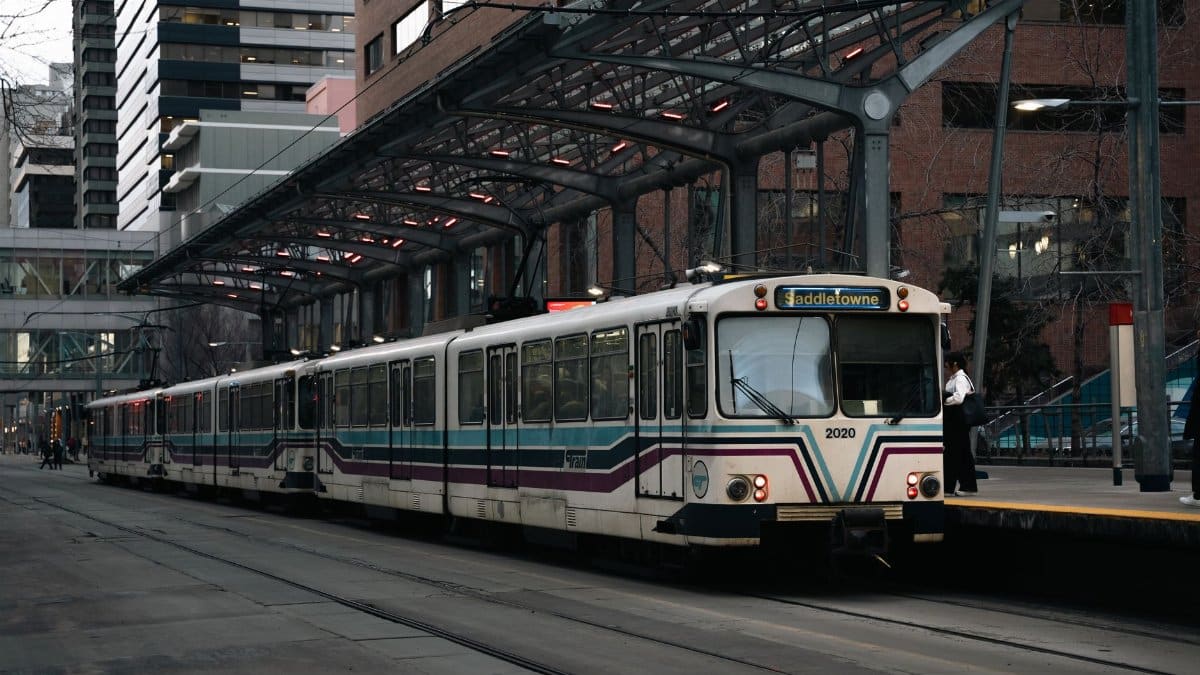
For many residents in the Boston area the morning rush involves crowded platforms and delayed trains. This routine highlights ongoing challenges in public transportation. Recently released details on the MBTA Rail Contract offer insights into future improvements for commuter services. The process reflects broader efforts to balance costs with reliable daily operations across the region.
Origins of the Current Bidding Round

Local officials began reviewing proposals more than a year ago after the previous arrangement neared its end. Several firms submitted plans focused on maintenance schedules and fleet upgrades. The selection process emphasized experience with similar networks in other cities. Public meetings allowed residents to voice concerns about frequency and accessibility. These steps set the stage for a detailed review that extended into spring.
Key Financial Elements in Play

The agreement spans multiple years and carries a value in the billions according to agency documents. Payments tie to performance metrics such as on time arrivals and customer satisfaction scores. Adjustments for inflation appear in later phases to protect against rising expenses. Comparisons with earlier pacts show shifts toward shared risk between the agency and operator. Analysts suggest this structure may encourage more consistent service levels over time.
Role of Keolis in the Proposal

The French based company Keolis emerged as the leading candidate after prior work on the same lines. Its bid highlighted technology for tracking equipment and responding to disruptions. Staff training programs form another component aimed at reducing errors during peak hours. Agency leaders noted the firms track record in Europe as a factor in the choice. Further negotiations will clarify exact responsibilities for each party.
Potential Effects on Daily Riders

Commuters may notice changes in train schedules once the new terms take effect. Emphasis on preventive repairs could reduce unexpected cancellations that disrupt work and family plans. Expanded options for real time updates via apps receive mention in the outline. Concerns remain about fares staying affordable amid the larger investment. Community groups plan to monitor progress through regular reports.
Comparison With Similar Deals Elsewhere

Other metropolitan areas have pursued comparable arrangements with mixed outcomes. Some achieved faster response times while others faced disputes over cost overruns. Lessons from those cases appear in the current MBTA Rail Contract language around dispute resolution. Observers point to the need for clear benchmarks that all sides can track. This approach seeks to avoid pitfalls observed in past projects.
Environmental Considerations Included

Newer equipment under discussion promises lower emissions than older models still in use. Plans for electric options on certain routes form part of the long term vision. Coordination with state energy goals receives attention in supporting documents. Such measures align with wider efforts to cut pollution from transportation sources. Public feedback stressed the importance of these aspects during review sessions.
Next Steps for Implementation

Final signatures remain pending as legal teams finalize wording on liability issues. A transition period will allow staff to adapt to updated procedures. Training sessions and equipment inspections will occur before full rollout. Regular audits will check compliance with the stated targets. The agency expects visible results within the first eighteen months.