

For years people have wrestled with the pull of daily routines that no longer serve them well. A new line of inquiry from Japan now points to one brain chemical that may hold a key to making such shifts easier. Acetylcholine appears to play a direct part in how the mind supports habit breaking when old patterns need to give way to new ones. The finding adds fresh detail to long running questions about why some attempts at change succeed while others stall.
Core Findings From the Japanese Study

Researchers in Japan tracked activity in regions tied to decision making and reward. They noted that higher levels of acetylcholine aligned with faster drops in repeated behaviors that subjects wanted to end. The work suggests the chemical acts as a signal that helps mark when a familiar action should lose its hold. Readers can review the background at the source link provided in the meta description for this piece.
How Acetylcholine Shapes Daily Choices

Acetylcholine travels across synapses in areas that weigh options and outcomes. When its release rises at the right moments the brain seems quicker to tag an action as less useful. This tagging process supports habit breaking by reducing the automatic return to the old path. The effect shows up most clearly during tasks that require quick updates to what feels rewarding.
Links to Broader Brain Functions

The same chemical also supports attention and memory updating. Its role in habit breaking fits inside these larger jobs because ending a routine often demands noticing fresh details and storing new results. Without enough signaling the mind may keep favoring the older route even when evidence points elsewhere.
Practical Steps That May Aid the Process
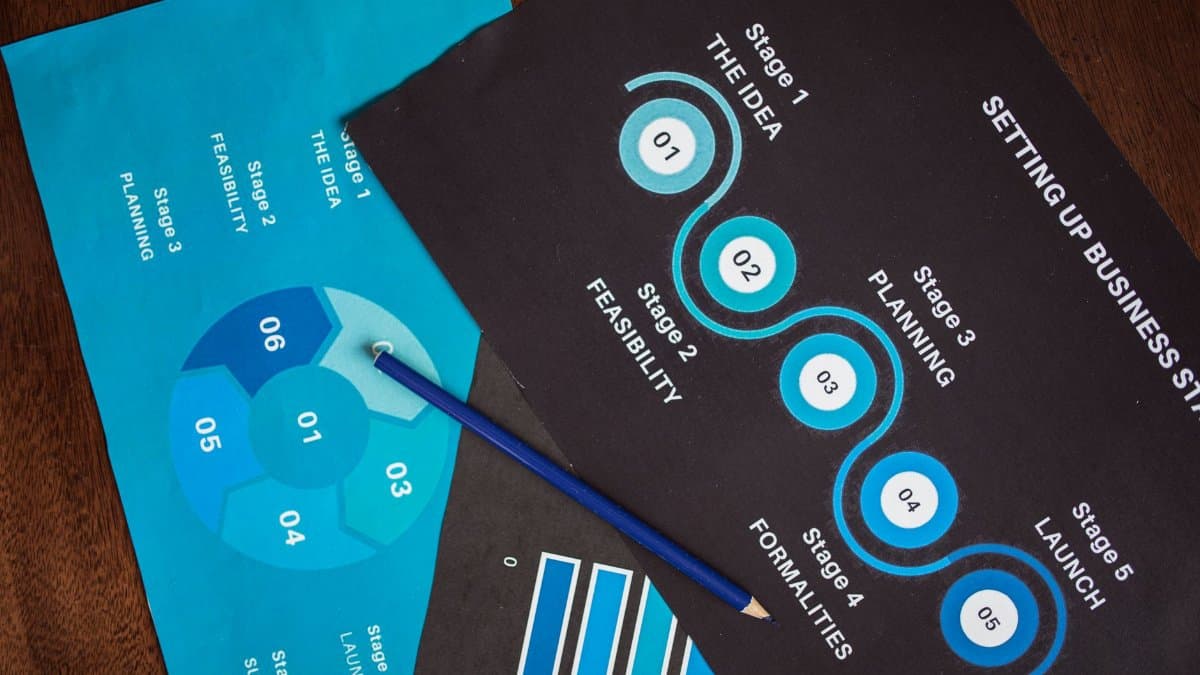
Small changes in setting can give the brain more chances to release acetylcholine at useful times. Consistent timing of new actions helps the chemical mark the shift from old to new. People who pair a fresh behavior with a clear cue often report quicker drops in the unwanted pattern.
Why Some Efforts Meet Resistance

Low acetylcholine signaling can leave old loops intact longer than wanted. Stress and fatigue appear to lower the chemical availability and slow the work of habit breaking. The Japanese data align with earlier observations that tired minds revert to familiar moves more readily.
Comparison With Earlier Research on Change

Past studies focused on dopamine and its part in reward seeking. The current work adds acetylcholine as a complementary factor that helps close the door on outmoded actions. Together the two chemicals may set both the drive toward reward and the ability to step away from it.
Questions Still Open for Further Work

Scientists want to learn how much acetylcholine levels differ across individuals. They also seek to know whether certain diets or activities can raise the chemical in steady ways that aid habit breaking. Long term trials will be needed before any firm advice emerges.
Stories From People Who Succeeded

One office worker described replacing an evening screen habit with a short walk after noticing the urge lost strength within two weeks. Another person reported ending a late night snack routine once a fixed bedtime cue became reliable. Both credited steady repetition rather than sudden resolve.
Looking Ahead at Possible Uses

If the findings hold the discovery could shape tools that help people time their efforts at habit breaking to moments of stronger chemical support. Simple reminders or environmental tweaks might become more precise. The field remains early yet the direction offers a measured sense of progress.