

The sudden rise of a Canadian rock duo whose tracks seem to tap directly into listeners brains has sparked fresh curiosity about Neurobiology Music and its role in shaping modern listening habits. Angine de Poitrine built a following through songs that blend raw guitar lines with rhythms known to influence brain waves and emotional recall. Observers note how their approach echoes longstanding questions about why certain melodies linger while others fade. Their music offers a window into the ways sound patterns interact with neural pathways without relying on overt technical displays. Audiences across age groups report physical responses during live shows that feel both familiar and newly intense. This phenomenon invites closer examination of how artistic choices intersect with measurable responses in the brain.
Tracing the Roots of Audience Connection

The duo formed in a small Quebec town where local traditions met emerging digital tools. Early recordings circulated quietly among friends before gaining traction online. Listeners described an immediate sense of recognition that went beyond typical rock fare. Researchers who examined similar patterns suggest that repeated exposure to certain beats can strengthen memory links in the hippocampus. Angine de Poitrine refined their method by testing short clips on small crowds and noting which sections prompted physical movement or quiet focus. Over time these adjustments produced tracks that spread through shared playlists and social mentions.
How Rhythm Shapes Neural Pathways

Studies in auditory processing show that steady pulses around 120 beats per minute often align with natural heart rates during light activity. The band incorporates slight variations in tempo that prevent the brain from settling into complete predictability. This technique appears to sustain attention longer than uniform rhythms. When audiences report feeling energized yet calm after a set, the effect may stem from these subtle shifts rather than volume alone. Neurobiology Music surfaces here as a way to describe music crafted with such brain responses in mind.
Physics and Sound Wave Interaction
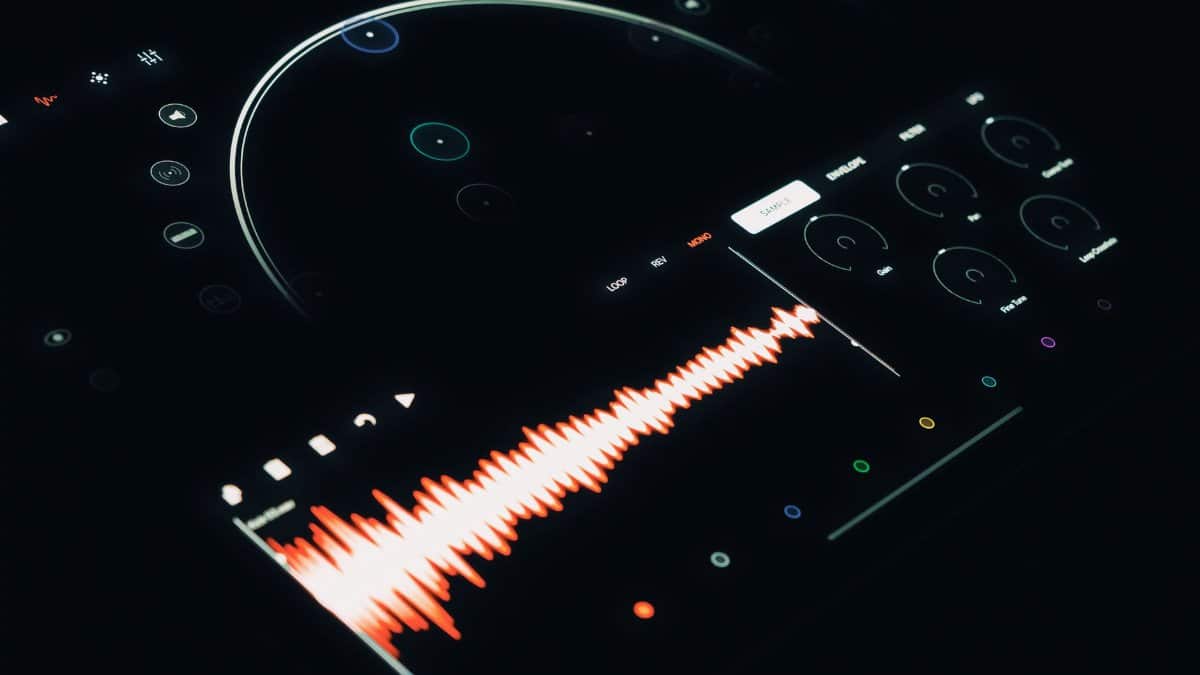
Sound travels through air in waves that reach the inner ear and trigger electrical signals. Angine de Poitrine experiments with microphone placement and room acoustics during recording sessions to emphasize lower frequencies. These choices create a fuller sensation that travels through the body as well as the ears. Engineers familiar with concert venues note that such attention to wave behavior can reduce listener fatigue over extended play. The result feels immersive without extra amplification layers.
Emotional Recall Through Melody Choice

Melodic intervals that echo everyday speech patterns tend to activate areas tied to personal memory. The duo favors intervals that rise and fall in ways reminiscent of conversational tone. Fans often mention specific songs resurfacing during ordinary moments such as driving or walking. This connection strengthens when the melody avoids overly complex jumps that might demand extra cognitive effort. Over multiple listens the association becomes more automatic.
Live Performance and Shared Brain Activity

During concerts the band maintains eye contact with different sections of the crowd while adjusting dynamics on stage. Audience members describe a collective sense of timing that emerges without verbal cues. Research on group listening experiences indicates that synchronized movement can increase feelings of social bonding through shared dopamine responses. Angine de Poitrine extends these moments by leaving space between songs for natural applause rhythms to settle. The pauses serve as resets that keep engagement high.
Digital Spread and Listener Habits

Streaming data reveals that tracks from the duo receive repeated plays within the same hour more often than average rock releases. Algorithms favor content that holds attention across full listens rather than short skips. The band supports this pattern by releasing songs with consistent structures that reward complete playback. Listeners return because the music aligns with existing daily routines such as morning commutes or evening wind downs.
Future Directions for Sound and Brain Research
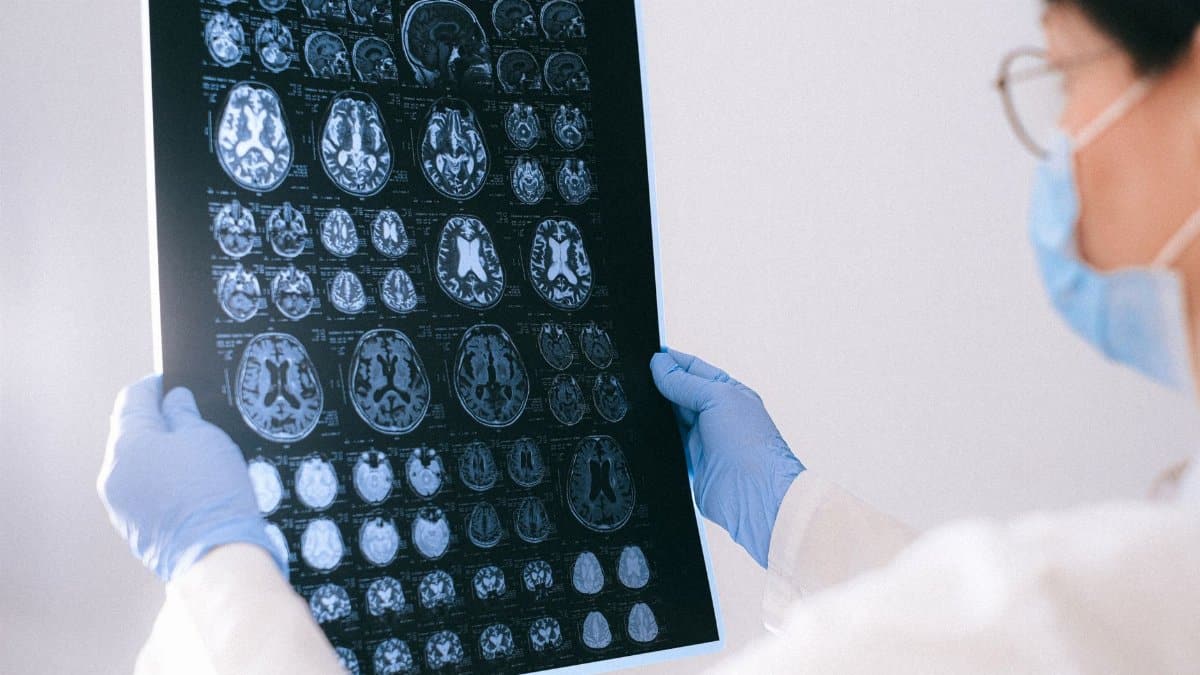
Continued study of how specific frequency ranges affect stress markers could inform new recording practices. The duo has expressed interest in collaborating with labs that monitor real time brain activity during listening sessions. Such partnerships might clarify which elements drive the reported physical responses. Broader interest in Neurobiology Music suggests that artists and scientists may find common ground in exploring these intersections without sacrificing creative freedom.