
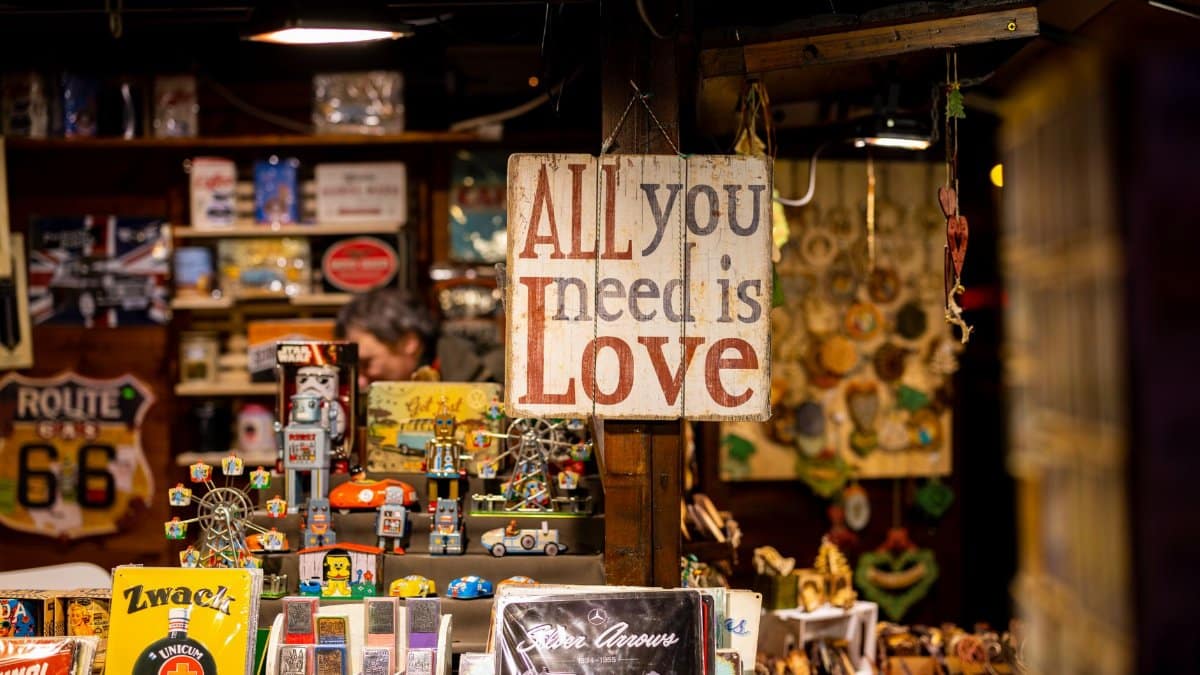
In quiet homes from New England to the Pacific coast, shelves hold rows of seashells gathered over decades, each one marking a walk along a distant shore. Such habits reflect a deep seated impulse that shapes daily choices and preserves fragments of the past. Collecting emerges here as a quiet pursuit that connects people to their own histories and to one another.
The Evolutionary Drive Behind Gathering

Long before modern storage units existed, early humans set aside tools and ornaments that held special meaning. This behavior likely aided survival by allowing groups to trade valued items and build alliances. Studies from anthropology departments show that similar patterns appear in many cultures, suggesting an inherited tendency to select and keep objects that signal status or security.
How Societies Shape What We Keep
Across continents, communities assign worth to different objects based on shared beliefs. In some regions, families pass down textiles that record lineage and skill. Elsewhere, printed materials serve as markers of education and taste. These customs turn private habits into public statements about identity and belonging.
Emotional Rewards That Sustain the Habit

Many adults describe a sense of calm when they arrange their chosen items. The act of sorting and displaying creates order amid busy routines. Psychologists note that this process can reduce feelings of uncertainty by offering tangible proof of personal effort and continuity over time.
Stories Hidden in Everyday Objects

A single ticket stub may recall a first concert, while a row of books marks intellectual growth across years. Such items function as external memory aids, helping individuals trace their development without relying solely on fading recollections. Writers often draw on these physical reminders when recounting life events.
Challenges That Arise From Holding On
Space limitations and maintenance demands can turn a source of pleasure into a burden. When collections grow without clear limits, they compete with living needs and strain household resources. Counselors recommend periodic reviews to decide which pieces still serve a purpose and which might find new homes.
Collecting in the Age of Screens

Digital platforms now allow people to assemble images, music files, and virtual tokens without physical space constraints. Yet the satisfaction derived from these intangible holdings sometimes differs from that gained through touch and arrangement. Observers question whether screen based selections deliver the same lasting connection to the material world.
Learning From Those Who Curate With Intention

Seasoned practitioners emphasize starting with clear criteria rather than impulse purchases. They focus on quality and personal resonance, which keeps the activity rewarding rather than overwhelming. Their example shows that thoughtful selection preserves the original appeal of the pursuit across changing life stages.
Community Bonds Formed Through Shared Interests

Local clubs and online forums bring together individuals who exchange knowledge and items. These gatherings transform solitary habits into social exchanges that build friendships and preserve specialized skills. Participants often report renewed enthusiasm after discussing their finds with others who understand the same language of appreciation.
Future Paths for a Timeless Practice

As living spaces shrink in many cities, new approaches may blend physical and digital methods. Museums already model careful preservation techniques that individuals can adapt at smaller scales. The enduring appeal of selecting and caring for meaningful objects suggests that Collecting will continue to offer quiet satisfaction for generations ahead.