
In the heart of San Francisco a once lively gathering place has encountered difficulties keeping its appeal amid shifting urban patterns. A local group has stepped forward to assume control of every bar outlet inside the space commonly referred to as SF Food Hall with hopes of restoring foot traffic and community interest through fresh approaches to drinks and events. Observers note this development reflects broader efforts to sustain public venues that blend dining with social interaction in a city known for its dynamic food scene.
Origins of the Venue and Its Role in Local Life
Saluhall opened several years ago as an ambitious project to create a central location for varied cuisines and casual meetings. It drew from traditions of European market halls yet adapted them to a modern American city setting. Over time the mix of stalls offered everything from Nordic inspired bites to local craft items drawing both residents and tourists seeking convenient options without committing to a single restaurant.
Challenges That Led to Operational Shifts
Attendance began to drop as economic pressures mounted and competition from other districts grew stronger. Vendors reported slower days while overhead costs remained steady creating strain on the overall operation. Management sought partners who could inject vitality particularly in the beverage areas where evening crowds might gather if offerings felt more inviting and consistent.
The Group Behind the Bar Management Change
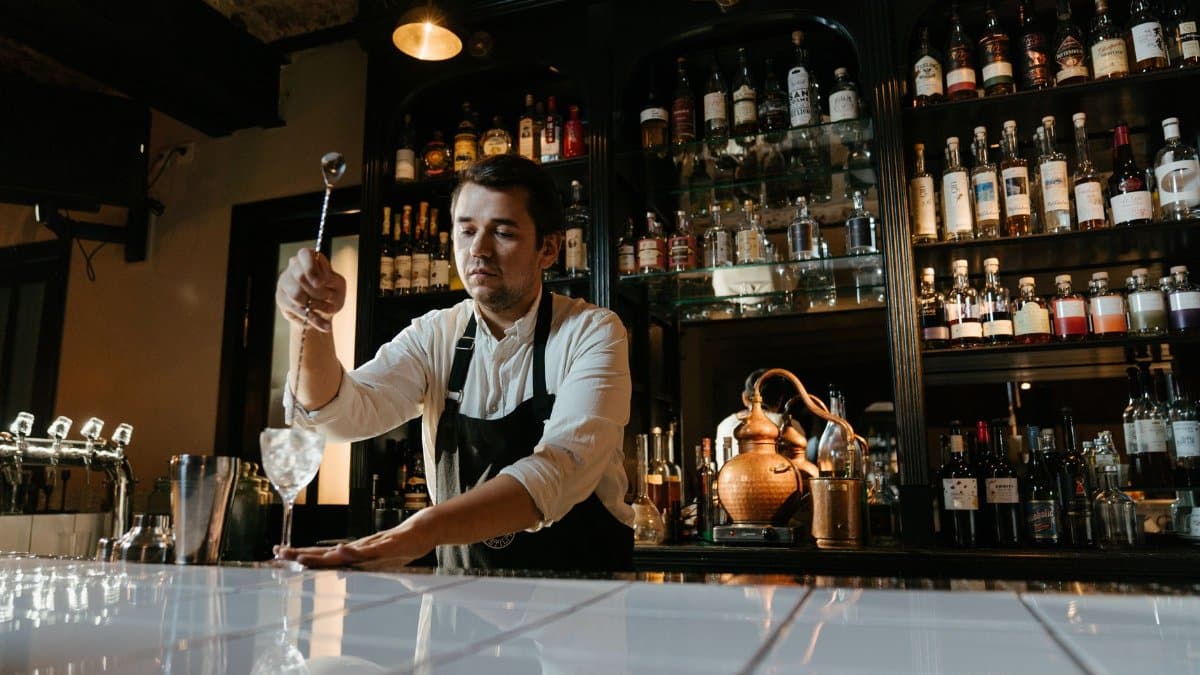
The incoming operators bring experience from established spots around the region with a focus on quality service and creative menus. Their plan emphasizes collaboration with existing food vendors to create packages that pair meals with drinks encouraging longer visits. This strategy aims to turn individual transactions into fuller experiences that benefit the entire location.
Plans for Revitalizing Evening Activity
New bar concepts will highlight seasonal ingredients and local producers to align with visitor expectations for authentic choices. Special tastings and talks could draw people after standard work hours transforming quiet periods into lively ones. Organizers believe such additions will complement daytime food traffic without disrupting the core market atmosphere.
Effects on Vendors and Daily Operations
Food stall owners express cautious optimism about the potential for increased visitors while noting the need for clear coordination on shared spaces. Some anticipate joint promotions that highlight their specialties alongside new drink selections. Success depends on smooth logistics that keep preparation areas efficient and customer flow steady throughout operating hours.
Broader Context of Food Halls in Urban Areas
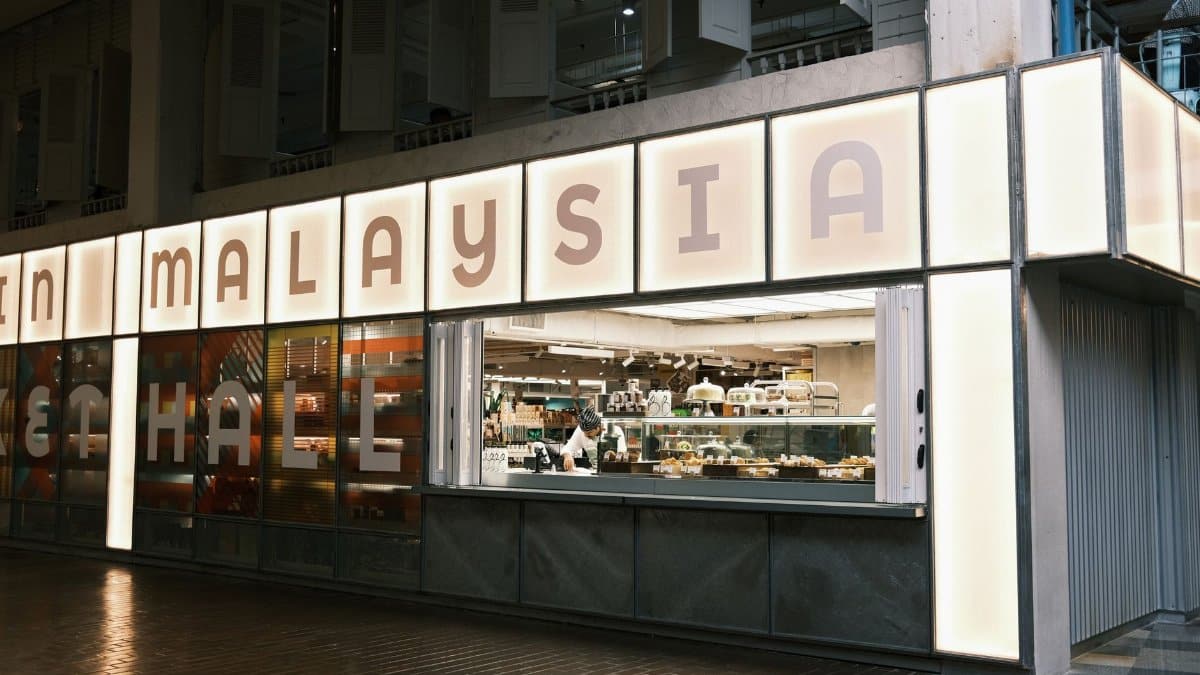
Across the country similar projects have adapted by incorporating more flexible uses such as pop up events or wellness gatherings. In San Francisco the emphasis remains on accessibility and variety to match the diverse population. This latest adjustment at the site illustrates how such venues continue to experiment in order to remain relevant.
Visitor Responses and Future Outlook
Early feedback from regulars suggests interest in seeing what fresh ideas emerge at the bars. Many appreciate the effort to preserve a convenient spot for casual outings rather than letting it fade. Long term the operators hope sustained programming will rebuild loyalty and position the location as a reliable anchor in its neighborhood.