
In recent years the political landscape in Washington state has been marked by growing unease among Republican circles regarding voting procedures. This has led to what some observers call an atmosphere of suspicion surrounding electoral processes. The phenomenon known as GOP Ballot Concerns has taken root in party discussions and activities across the region. Observers note that such worries reflect broader national debates yet carry unique local dimensions tied to the states long standing use of mail ballots.
Roots in State Voting Changes
Washington shifted to an all mail system more than a decade ago aiming to boost turnout and convenience for residents spread over vast rural areas. Party members who now voice GOP Ballot Concerns often point to this transition as the moment when doubts first surfaced about chain of custody for ballots and verification steps. Local meetings have featured presentations questioning whether signature checks alone suffice to prevent irregularities.
Party Leadership Responses
State Republican officials have issued statements seeking to calm the situation while acknowledging that some members feel disenfranchised by the current setup. They have called for additional audits and clearer public reporting on rejection rates. These efforts come amid internal divisions where newer activists push for stricter measures than those favored by established figures.
Voter Reactions Across Regions
In suburban districts east of Seattle some residents report feeling more confident in the system after attending informational sessions hosted by county offices. Elsewhere in the eastern part of the state farmers and small business owners express continued skepticism based on stories shared at community gatherings. Such splits highlight how geography shapes perceptions of electoral fairness.
Comparisons With Other States

Neighboring Oregon operates under a similar mail model yet has encountered fewer public disputes in recent cycles. Analysts attribute the difference partly to Washington party dynamics where organized factions amplify questions about ballot handling. This contrast offers lessons for officials seeking to restore broad trust without major overhauls.
Role of Media Coverage
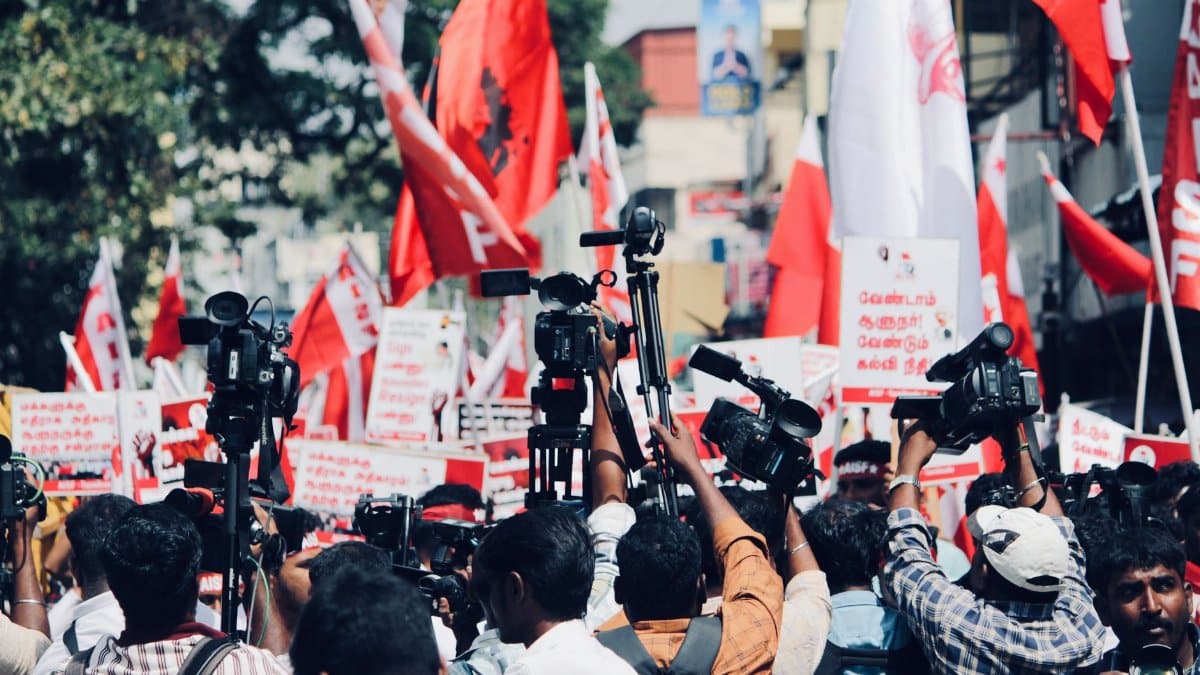
Local outlets have devoted segments to the spread of GOP Ballot Concerns illustrating how social platforms accelerate both information and misinformation. Balanced reporting has included interviews with election administrators who detail security protocols such as unique bar codes and bipartisan observer access. Readers are left to weigh competing accounts.
Potential Effects on Upcoming Elections
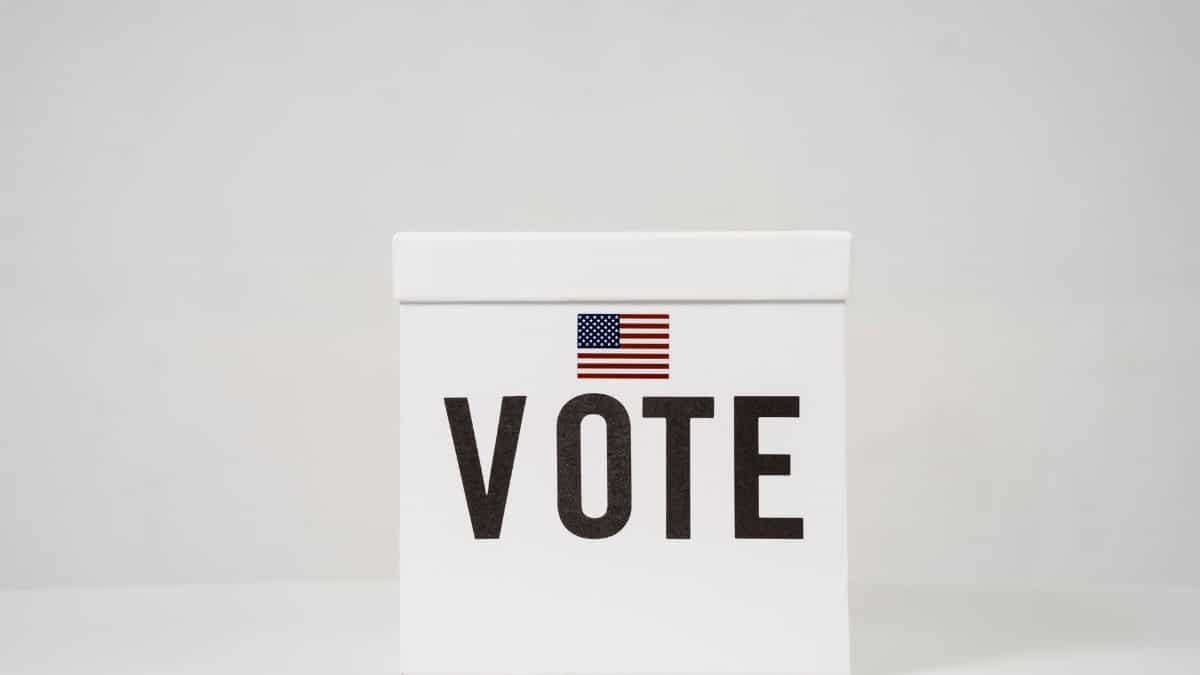
With primary season approaching the persistence of these worries could influence candidate messaging and volunteer recruitment efforts. Campaigns may devote resources to reassuring supporters about participation methods rather than focusing solely on policy contrasts. Turnout patterns might shift if segments of the electorate choose to abstain over lingering doubts.
Expert Analyses and Views

Political scientists from regional universities suggest that addressing GOP Ballot Concerns requires transparent data releases and perhaps pilot programs for in person verification options. They caution against quick fixes that could complicate logistics for the many voters who rely on mail delivery. Ongoing studies track how such issues affect overall confidence levels in democratic institutions.
Paths Toward Resolution

Bipartisan working groups have begun exploring incremental adjustments including expanded tracking tools for ballots and public dashboards showing real time processing statistics. Success will depend on whether all sides can agree on shared facts rather than entrenched narratives. Sustained dialogue offers the best prospect for easing tensions that have built up over successive election cycles.