
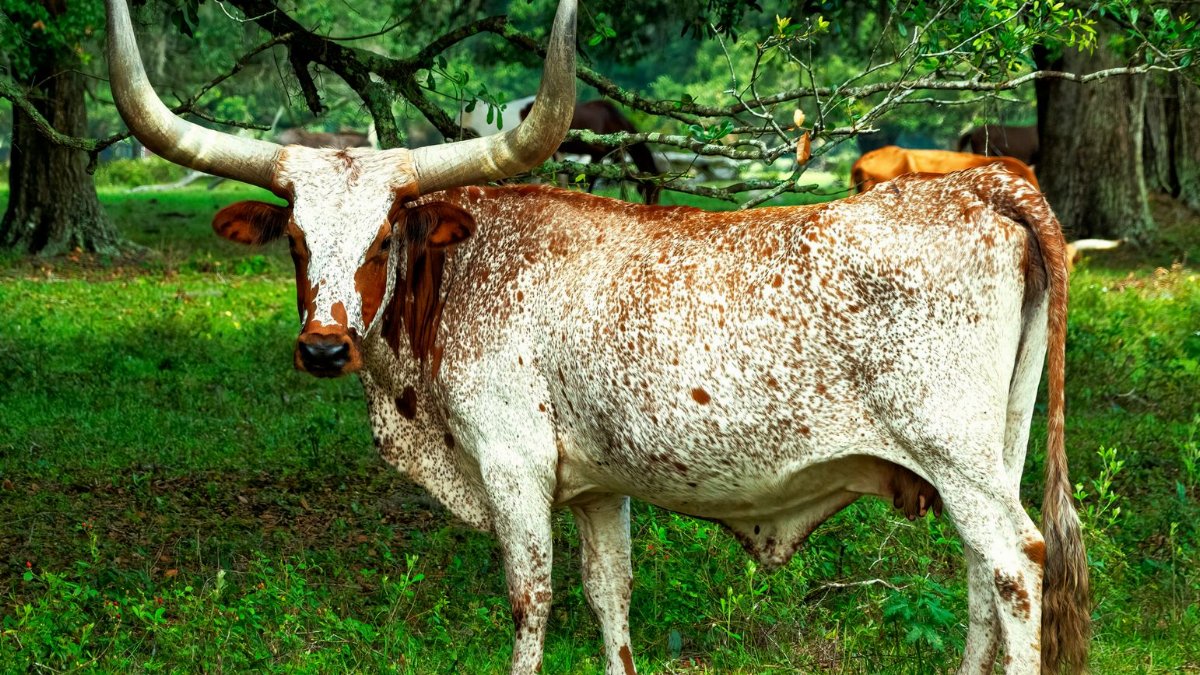
The recent surge in parasitic infections among cattle herds has raised alarms across southern states. Officials are now implementing stricter checks at key points to curb the spread of this dangerous pest. Texas Screwworm has emerged as a focal point in these efforts, affecting both ranchers and the broader agricultural economy in profound ways. Reports from the Houston area indicate multiple detections that have led to coordinated responses involving federal agencies and local veterinarians. This development underscores the ongoing challenges in maintaining animal health standards amid changing environmental conditions.
Background on the Parasite Threat
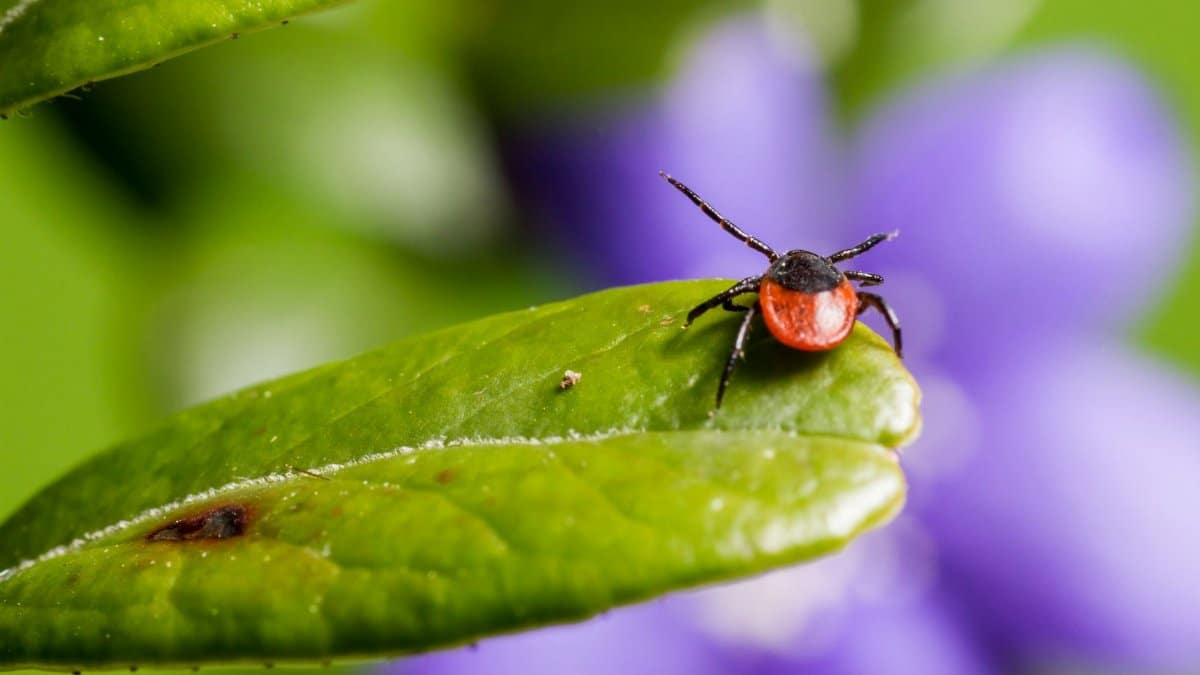
Texas Screwworm refers to a fly larva that burrows into open wounds of livestock causing severe tissue damage if left untreated. Historical outbreaks in the mid twentieth century prompted large scale eradication programs that relied on sterile insect releases. Those efforts succeeded for decades but recent detections signal a potential resurgence tied to cross border animal movements and milder winters that favor insect survival.
Expansion of Inspection Protocols

State authorities have increased the number of inspection stations along major transport routes. Inspectors now examine animals more thoroughly for signs of infestation including unusual wounds or larval presence. These measures aim to catch cases early and prevent wider dissemination through markets or auctions where animals change hands frequently.
Role of Federal Partnerships
The United States Department of Agriculture has deployed additional personnel to support Texas operations. Joint teams conduct random sampling at border crossings and within high risk zones near Houston. Collaboration extends to laboratory testing that confirms identifications quickly allowing for rapid quarantine decisions.
Impact on Local Ranchers
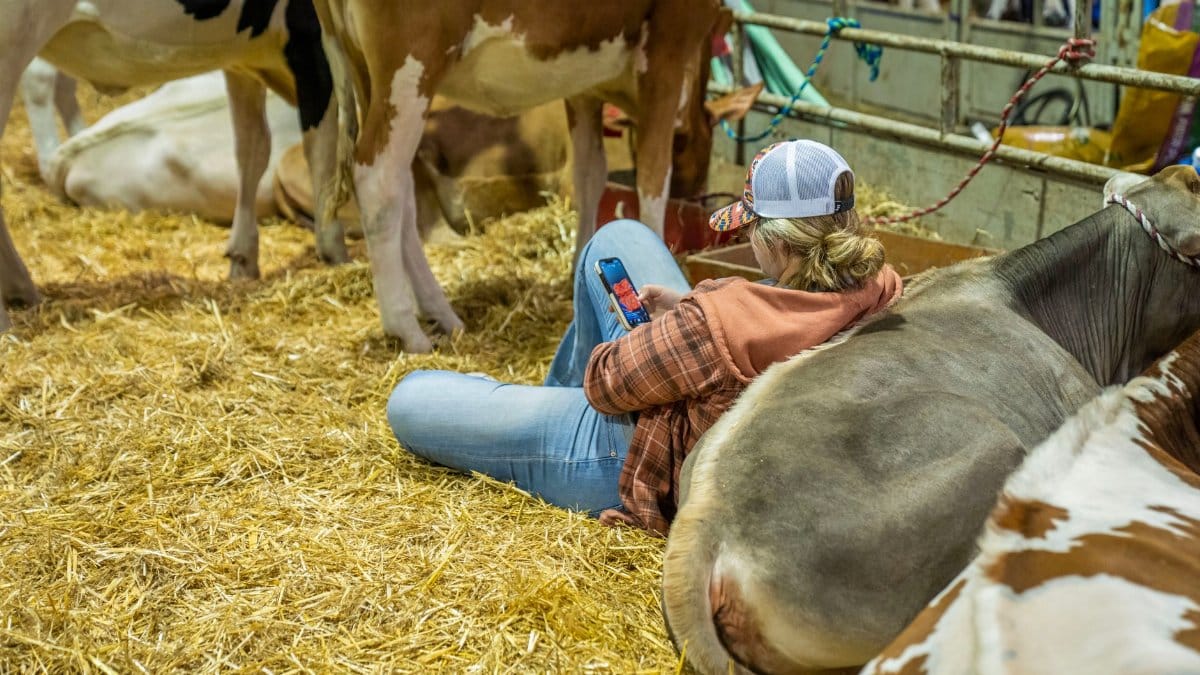
Ranchers face added costs from mandatory health certificates and delays during transport. Many express concern that repeated inspections could disrupt breeding cycles and market timing. Yet most acknowledge the necessity given the potential for catastrophic losses if an outbreak expands unchecked into major cattle producing areas.
Environmental Factors at Play

Warmer temperatures and altered rainfall patterns appear to extend the active season for the screwworm fly. Wildlife such as deer can also serve as reservoirs complicating control efforts that focus solely on domestic herds. Experts monitor these variables to predict future risk periods with greater accuracy.
Public Health Considerations

While primarily an animal health issue Texas Screwworm rarely affects humans but cases have occurred through contact with infested livestock. Medical professionals advise wound care vigilance among farm workers and prompt reporting of suspicious symptoms. Education campaigns target rural communities to reduce secondary transmission risks.
Economic Ramifications

Agricultural economists estimate potential losses in the hundreds of millions if containment fails. Export markets could impose new restrictions on Texas beef and dairy products leading to price volatility. Insurance providers are reviewing policies to account for heightened disease risks in affected regions.
Future Monitoring Strategies

Long term plans include renewed sterile fly releases combined with improved surveillance technology such as remote sensors at watering holes. Research continues into genetic methods that could suppress fly populations more efficiently than past techniques. Success depends on sustained funding and cooperation across state lines.