
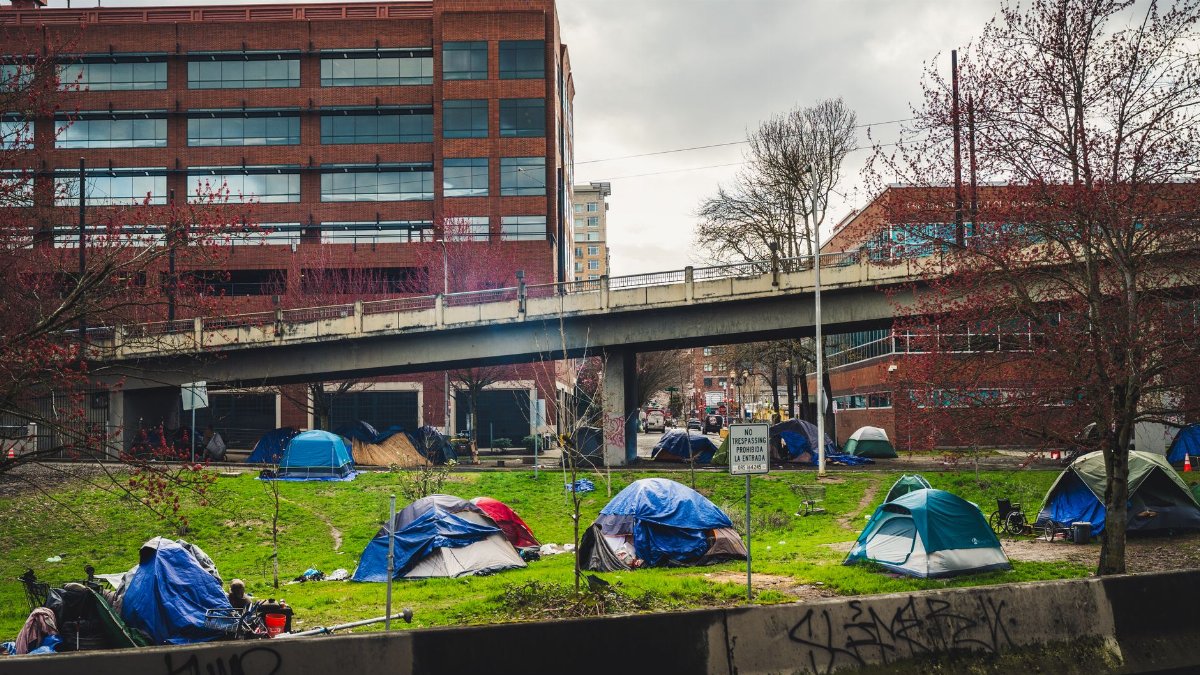
In the bustling streets of Houston where daily life pulses with energy and ambition a pivotal decision by city officials marks a turning point in local efforts to support vulnerable populations. This move centers on the EaDo Homeless Shelter as leaders commit substantial resources to expand capacity and improve access to essential services for hundreds each year. The initiative comes amid rising concerns about street conditions in central districts prompting a fresh approach that blends public funding with specialized nonprofit management. Observers note how such projects often emerge from extended negotiations balancing fiscal responsibility against urgent human needs. Houston now stands poised to see how this investment reshapes outcomes for individuals facing housing instability in one of the nations fastest growing metros.
City Council Moves Forward With Funding

Houston officials recently greenlit a thirty nine million dollar agreement that will shape operations at a key downtown site for years ahead. The arrangement hands management duties to the Harris Center which brings established expertise in behavioral health and social support programs. Council members highlighted data showing thousands of residents cycle through temporary aid each season underscoring why expanded beds and coordinated care matter now more than ever.
Details Behind the Thirty Nine Million Dollar Agreement

Under the terms the new shelter will accommodate up to seven hundred fifty individuals annually through a mix of short term stays and longer support plans. Funds cover staffing renovations and program delivery aimed at reducing repeat visits to emergency services. Proponents argue the scale matches the scope of visible need along corridors near Emancipation Avenue where foot traffic and outreach teams intersect daily.
Role of the Harris Center in Daily Operations

The selected provider plans to integrate mental health screenings job readiness workshops and connections to permanent housing options all under one roof. Staff will draw from prior experience running similar sites across the region ensuring protocols reflect proven methods rather than untested ideas. This structure seeks to create steady routines that foster dignity while addressing root causes of prolonged homelessness.
Impact on Neighborhoods Around Emancipation Avenue

Residents and business owners nearby have voiced mixed reactions to the planned facility with some welcoming added resources that could ease sidewalk encampments. Others question traffic patterns and safety protocols once doors open to larger numbers. City planners respond that design choices include secure perimeters and active outreach to maintain harmony with surrounding commercial activity.
Broader Context of Homeless Services in Houston

This contract fits into a wider network of shelters and transitional programs funded through federal state and local streams. Advocates point out that isolated facilities rarely succeed without transportation links and follow up care that prevent people from returning to the streets. The EaDo Homeless Shelter adds capacity at a moment when demand has climbed steadily over the past decade.
Challenges in Scaling Up Shelter Capacity

Even with approved dollars logistical hurdles remain including recruitment of qualified counselors and timely completion of building upgrades. Weather events common to the Gulf Coast can also disrupt supply chains and delay launches. Officials stress contingency measures that keep core services running regardless of external pressures.
Voices From Service Providers and Advocates

Local groups focused on housing first principles praise the emphasis on voluntary participation over strict curfews yet call for ongoing evaluation metrics. They note success stories from comparable sites where participants secured employment within months of entry. Such testimony lends weight to arguments that well run shelters serve as genuine bridges rather than holding patterns.
Future Outlook for Similar Projects

With this agreement in place attention turns to measuring reductions in unsheltered counts and emergency room visits tied to the target population. If benchmarks hold city leaders may replicate elements elsewhere in the metro area. The EaDo Homeless Shelter thus becomes both a test case and a potential model for compassionate scalable responses to urban housing pressures.