
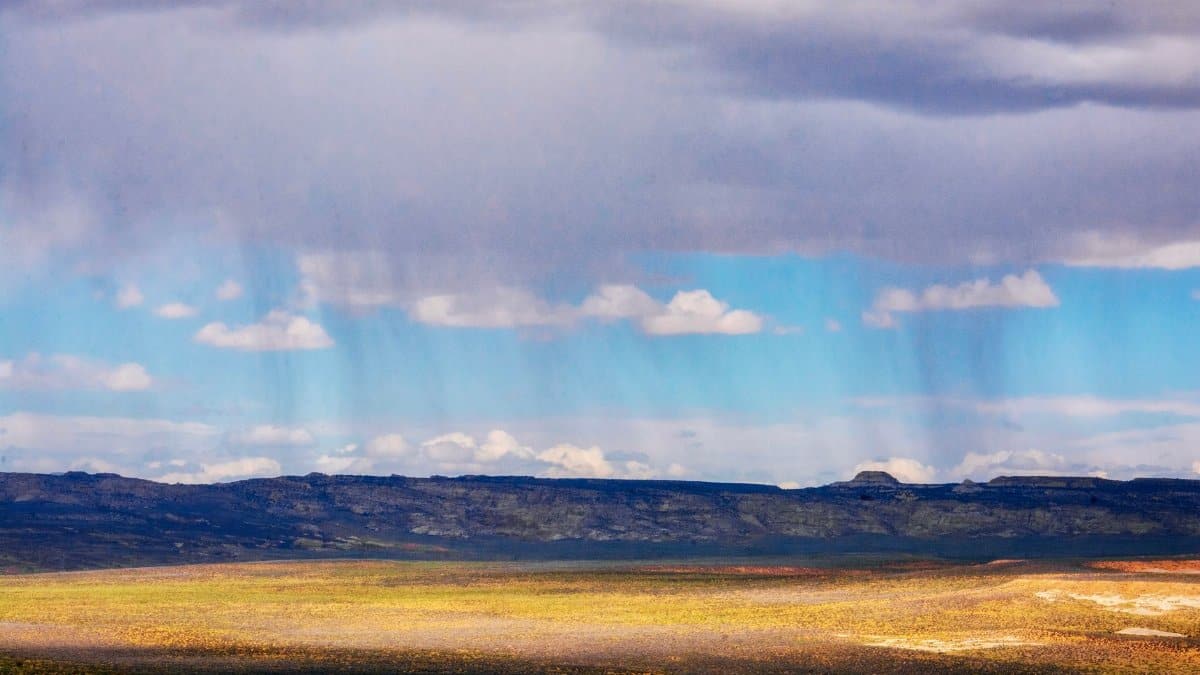
In the vast stretches of desert that define much of the American Southwest, distant shifts in Pacific Ocean temperatures often translate into altered rainfall across the land. Residents watch the skies with a mix of hope and caution when such changes arrive. This season brings particular attention to El Nino Arizona as forecasts point to wetter conditions than usual in the coming months.
Tracing Ocean Temperature Shifts

Pacific waters warming beyond average levels set off a chain of atmospheric responses that reach the Southwest. Scientists track these patterns through buoy networks and satellite readings. The result for Arizona often means increased storm activity during winter and early spring. Data from past cycles shows rainfall totals rising by twenty to thirty percent above normal in many areas.
Historical Patterns in Regional Rainfall
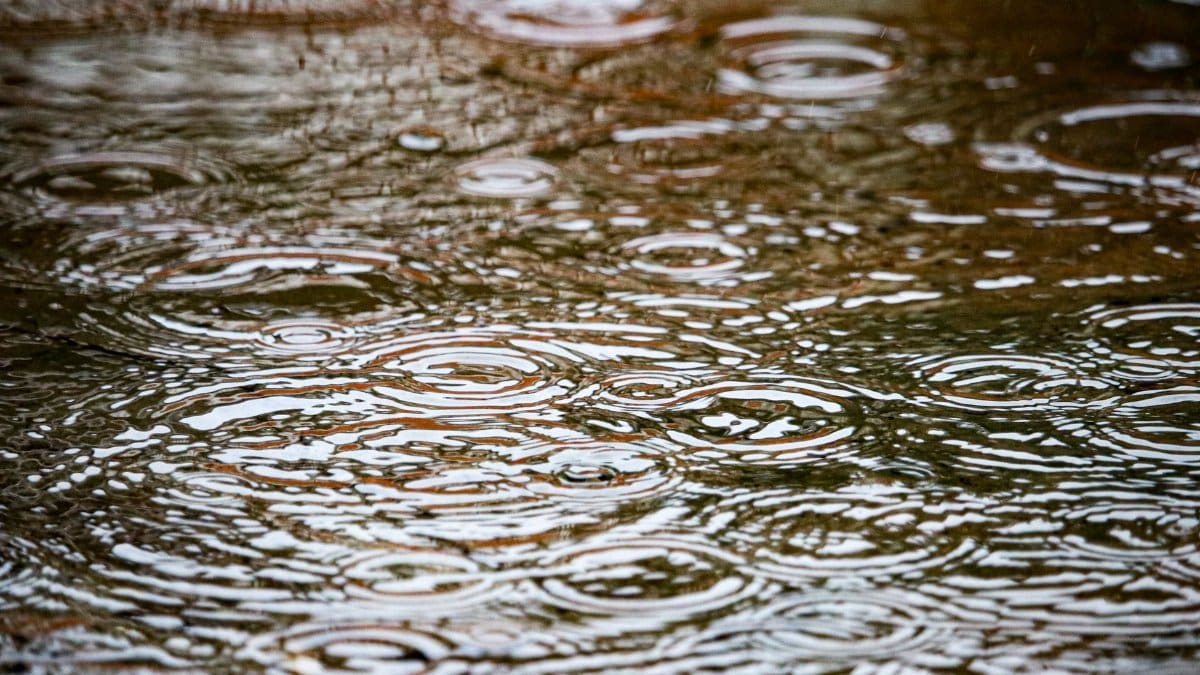
Records dating back to the middle of the twentieth century reveal recurring cycles where similar ocean conditions produced above average precipitation. Phoenix and Tucson saw notable deluges during strong episodes in the early nineteen eighties and late nineties. These events replenished reservoirs but also tested drainage systems in urban zones.
Effects on Agriculture and Water Resources
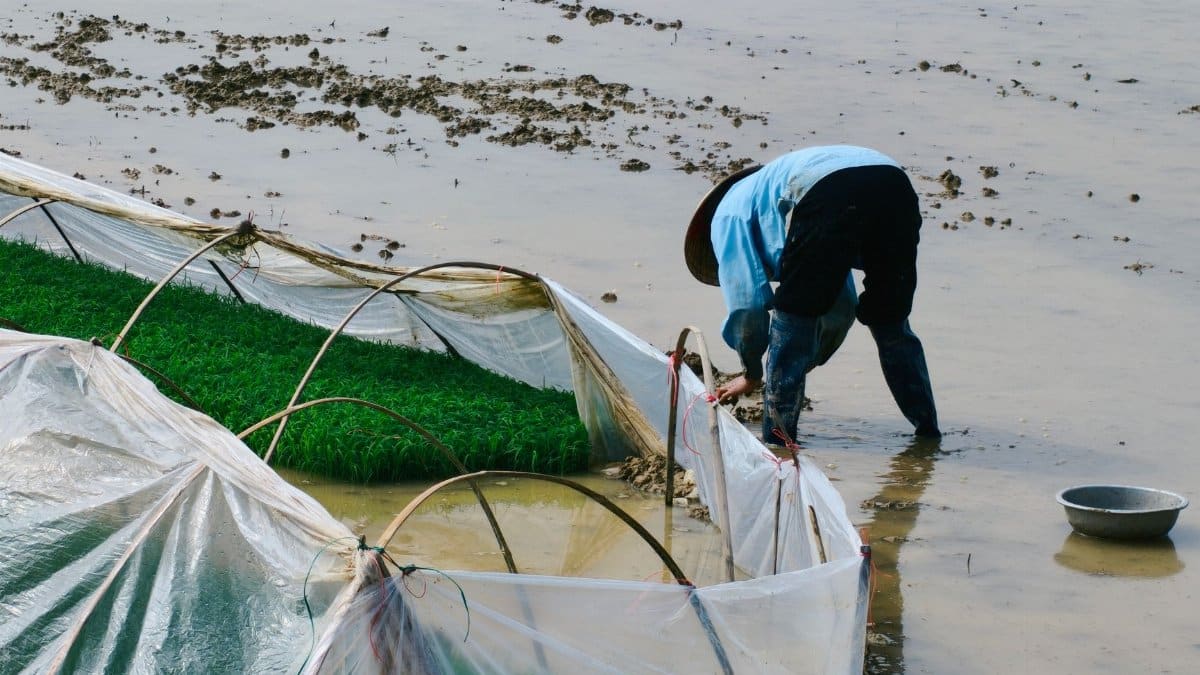
Farmers in central and southern counties stand to gain from extra moisture that supports crops like cotton and lettuce. Yet excess rain at the wrong time can delay harvests or promote plant disease. State water managers note that added inflows help ease pressure on the Colorado River allocations though long term storage remains a separate challenge.
Urban Infrastructure Under Pressure

Cities such as Mesa and Chandler prepare crews for potential street flooding and overwhelmed storm drains. Public works departments review pump stations and retention basins well ahead of peak season. Insurance providers report a rise in inquiries about coverage for water damage as awareness grows.
Wildfire Risk Reduction Potential
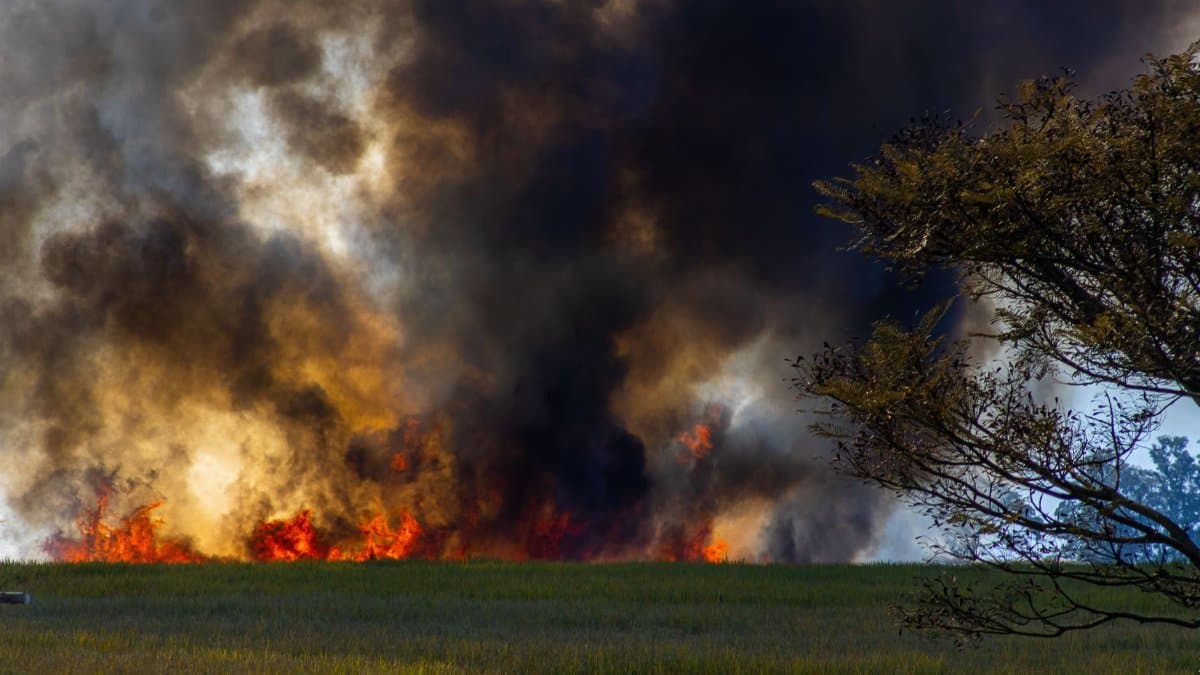
Extra winter moisture can lower the threat of large blazes the following summer by leaving soils damper and vegetation greener into late spring. Land managers in national forests view this as a temporary buffer rather than a permanent solution. Fuel reduction projects continue regardless of seasonal outlook.
Tourism and Outdoor Recreation Changes

Resort areas in Sedona and along the Grand Canyon rim may see shifts in visitor patterns if trails become muddy or scenic roads face temporary closures. Golf courses in the Valley of the Sun often welcome the cooler temperatures that accompany cloud cover. Local chambers of commerce monitor booking trends closely.
Community Preparedness Measures
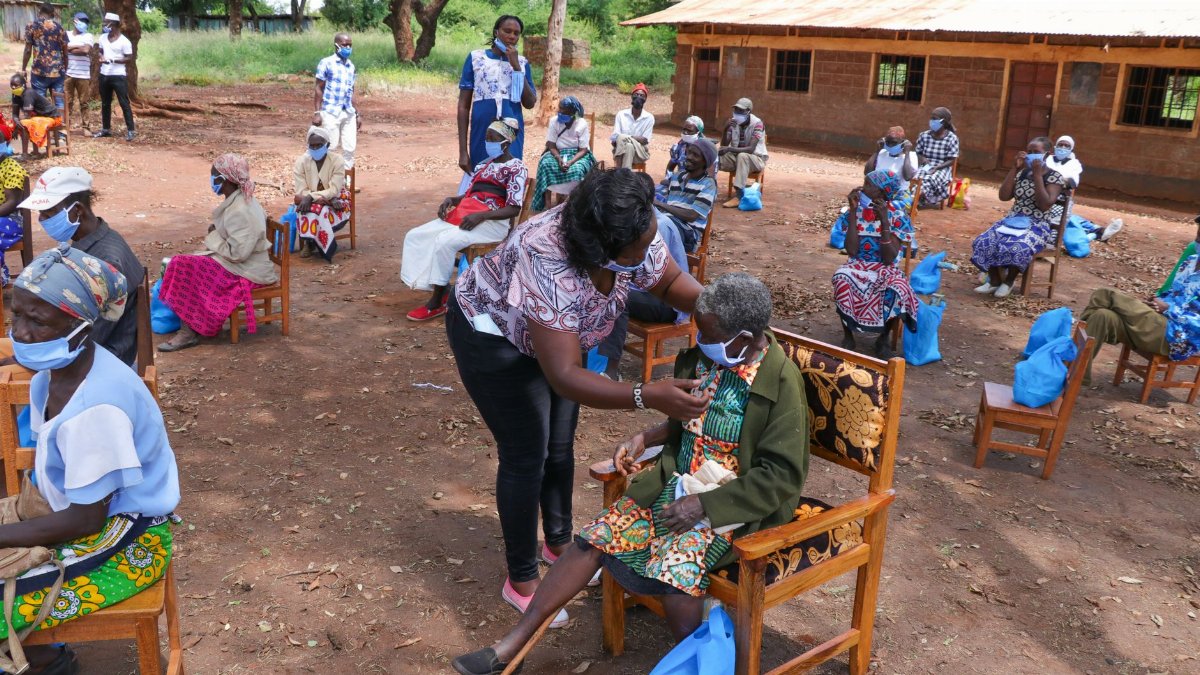
Emergency offices across the state update flood plain maps and conduct drills focused on rapid evacuation routes. School districts review bus schedules that could be disrupted by heavy downpours. Neighborhood associations share sandbag distribution points through email lists and local radio.
Climate Context and Future Outlook

While El Nino cycles occur naturally every few years, researchers examine how background warming might amplify their intensity. Models suggest stronger precipitation swings could become more common though uncertainty remains high. Arizona continues to invest in monitoring tools that improve seasonal predictions.
Personal Reflections on Weather Cycles

Standing outside after an unexpected downpour last winter, one longtime resident remarked on the rare sight of flowing washes in the desert. Such moments remind people that distant ocean changes connect directly to daily life in arid regions. Adaptation and observation remain steady companions through each cycle.