
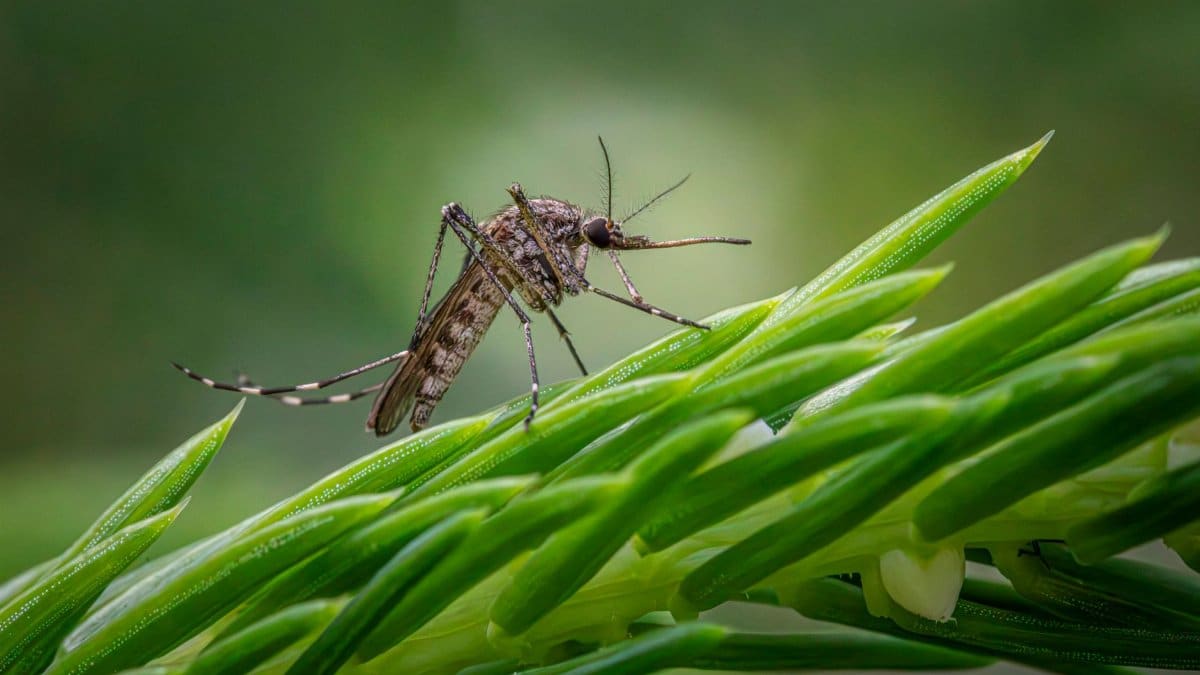
In the sprawling suburbs south of Houston residents have watched with growing alarm as insect populations explode beyond any recent memory. Yards once used for evening gatherings now sit empty while families retreat indoors at dusk to avoid relentless bites. Officials responded by declaring a Mosquito Emergency that has drawn attention from across the state and highlighted how quickly environmental conditions can disrupt ordinary routines.
Background on the County Response

Fort Bend leaders moved swiftly once trap counts showed numbers far above seasonal norms. The decision came after consultations with state entomologists who confirmed the presence of multiple species thriving in standing water left by recent storms. Crews began extra spraying along drainage ditches and public parks while residents received notices about eliminating backyard breeding sites. The effort marks one of the largest coordinated actions the area has seen in years.
Health Risks Tied to the Surge

Medical professionals note that higher mosquito activity raises chances for virus transmission even if current cases remain low. West Nile and other mosquito borne illnesses top the list of concerns though vaccination options stay limited. Clinics report more visits for skin reactions and advice on repellents. Public messaging stresses protective clothing and timing outdoor tasks for cooler parts of the day when activity dips.
Environmental Factors at Play

Warm temperatures combined with frequent rainfall created ideal conditions for rapid reproduction. Flooded fields and clogged gutters provided ample sites for egg laying that accelerated the population boom. Experts point to shifting weather patterns as a longer term contributor that may require updated planning for future seasons. Drainage improvements and community clean up events form part of ongoing discussions.
Impact on Daily Life for Families
Parents describe canceling evening sports practices and moving children inside earlier than usual. Pet owners limit walks to midday hours while gardeners finish tasks before sunset. Local businesses that rely on outdoor seating have adjusted hours or added barriers. The changes ripple through community calendars and force new habits that many hope prove temporary.
Role of State and Local Agencies

Texas health departments supplied extra resources including larvicide treatments and educational materials distributed through libraries and schools. Coordination with neighboring counties helps track movement across boundaries. Funding from emergency allocations supports overtime for field teams that monitor traps and map hot spots. Collaboration with federal partners offers additional data on species behavior.
Community Actions and Volunteer Efforts

Neighborhood groups organized weekend drives to clear debris from ditches and remind neighbors about removing flowerpot saucers or old tires. Schools incorporated lessons on prevention into science classes while churches hosted information sessions after services. These grassroots steps complement official spraying and build awareness that lasts beyond the immediate crisis.
Looking Ahead to Long Term Solutions

Planners examine infrastructure upgrades such as better retention ponds and native plantings that reduce standing water. Research partnerships with universities explore biological controls that target larvae without broad chemicals. Budget discussions include recurring allocations for monitoring programs so future surges trigger faster responses. The experience may shape policy for other regions facing similar pressures.