

In recent months Bay Area residents have faced unexpected shifts in their monthly utility expenses as support programs face cutbacks that affect thousands of households. The change comes amid broader economic pressures and has prompted many to reconsider how they manage energy costs in an era of fluctuating rates. Reports indicate a substantial decline in available assistance leaving some families to absorb higher bills without prior levels of relief. This development ties directly into ongoing discussions about PG&E Rebates and their role in easing financial burdens for everyday consumers across California.
Examining the Scale of Reduced Support

Officials have confirmed that funding for certain credits dropped by around ninety three million dollars this year compared to previous periods. Such a figure represents a notable adjustment in how resources are allocated within the utility sector. Many households that once relied on these mechanisms now navigate tighter budgets particularly during peak usage seasons when heating or cooling demands rise. The impact extends beyond individual homes to influence community wide patterns of consumption and conservation efforts.
Historical Context for Assistance Programs

Utility support initiatives have long served as tools to promote efficiency and affordability in regions served by major providers. Over time these programs evolved in response to regulatory changes and environmental goals yet recent adjustments reflect new priorities at the state level. Observers note that earlier expansions allowed broader access while current reductions signal a return to more limited distribution models.
Effects on Typical Households

Families in suburban neighborhoods describe the practical challenges of absorbing extra costs without supplemental aid. Parents report weighing options such as lowering thermostat settings or delaying appliance replacements to manage expenses. Seniors on fixed incomes express similar concerns highlighting how these modifications ripple through daily routines and long term planning.
Regulatory Factors Behind the Shift

State agencies oversee the framework governing utility operations and periodically review allocation formulas based on revenue forecasts and policy directives. Recent decisions appear influenced by efforts to balance budgets amid competing demands from infrastructure projects and renewable energy transitions. This process involves multiple stakeholders including consumer advocates and corporate representatives.
Regional Variations in Impact
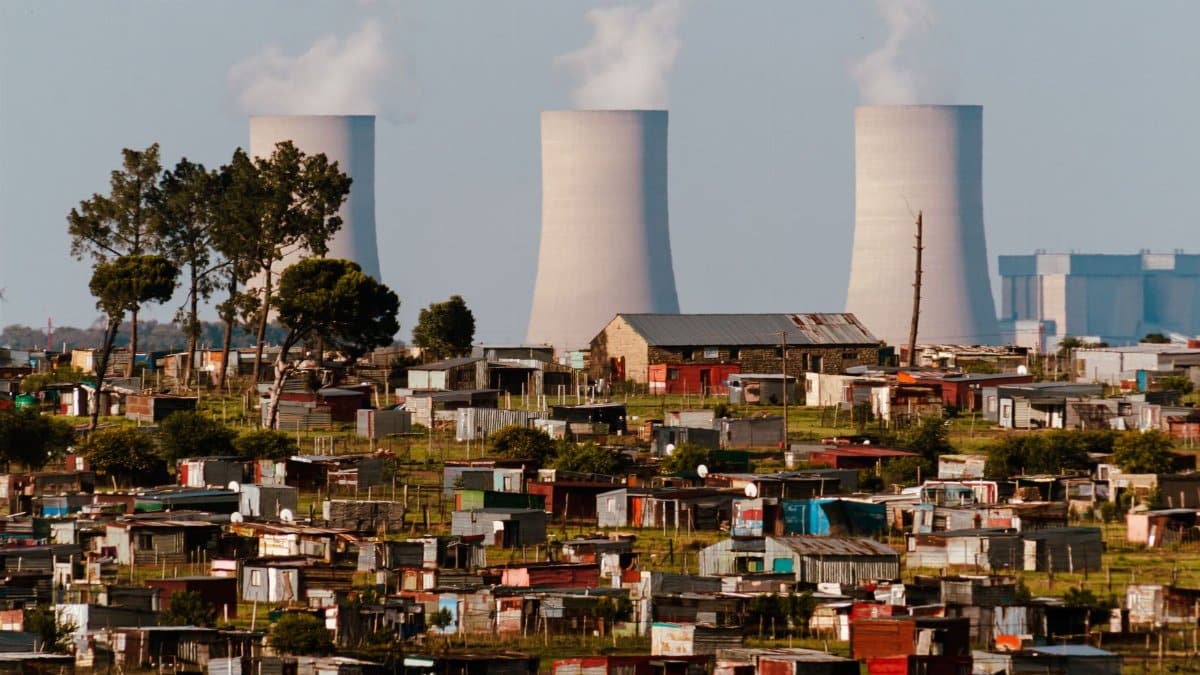
Urban centers experience the changes differently from rural zones where infrastructure and usage patterns diverge. Coastal communities with milder climates may adapt more readily while inland areas face steeper challenges during extreme weather events. Local governments have begun tracking these disparities to inform future assistance strategies.
Alternative Approaches for Consumers

Individuals explore independent steps such as installing efficient lighting or sealing drafts to lower overall demand. Community workshops provide guidance on available federal incentives that operate separately from state utility mechanisms. These options offer pathways to mitigate effects though they require upfront investment and sustained attention.
Broader Economic Implications

Reduced support influences spending patterns across related industries including home improvement and appliance retail. Businesses that specialize in energy saving upgrades see mixed results as some projects stall while others gain traction through private financing. Economists monitor these trends for signs of wider effects on regional growth.
Future Outlook for Utility Aid
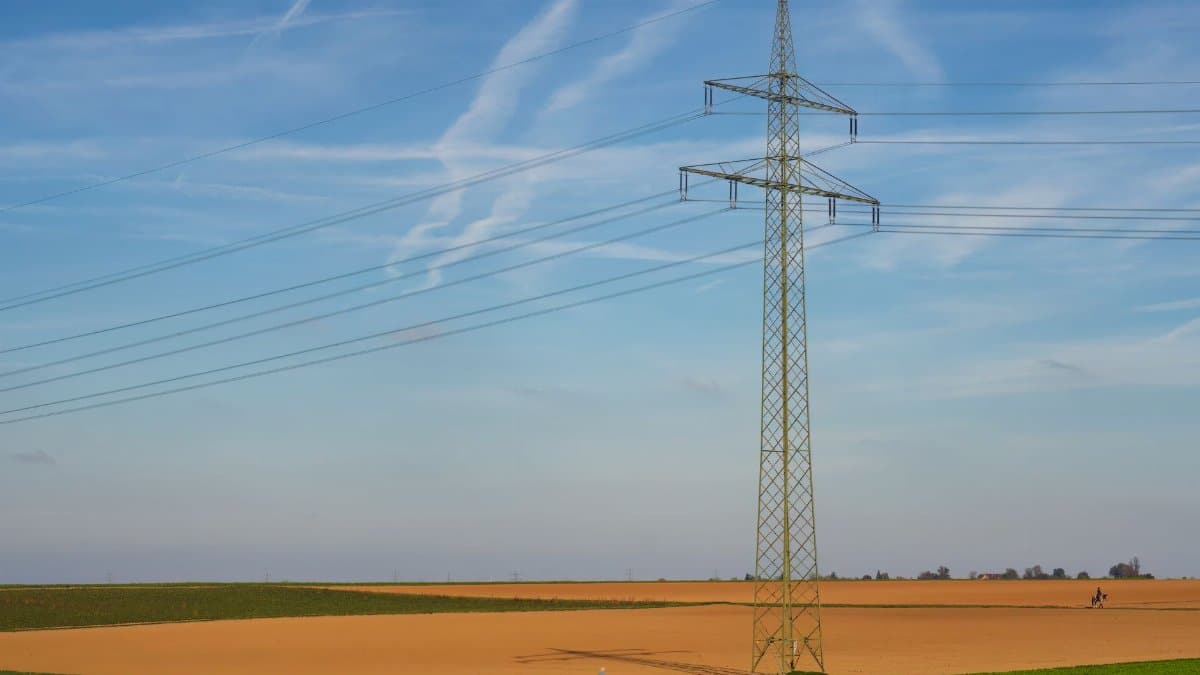
Analysts anticipate continued scrutiny of program structures as energy markets evolve with new technologies and climate policies. Discussions at legislative hearings may shape adjustments in coming cycles potentially restoring elements of prior support or introducing targeted alternatives. Public input remains a key component in these deliberations.