
Residents across Minnesota have noticed a troubling pattern among their elected officials from rural districts. These lawmakers seem reluctant to engage with journalists who seek to understand their positions on key issues. This avoidance raises questions about accountability and representation in an era when communication matters more than ever. The phenomenon known as Rural Reps Press highlights how some members of Congress from outstate areas limit their interactions with the media.
Patterns of Limited Availability

Observers point to repeated instances where rural lawmakers cancel scheduled interviews or respond only through prepared statements. Staff members often cite scheduling conflicts that prevent direct conversations. This approach stands in contrast to more open practices seen in previous decades when elected leaders welcomed scrutiny as part of their public duty.
Impact on Local Communities
Voters in smaller towns report feeling disconnected from decisions made in Washington. Without regular updates through local outlets many residents struggle to learn how federal policies affect farming operations or small businesses. Rural Reps Press becomes a barrier when information flows only in one direction from official channels.
Challenges Facing Regional Newsrooms

Local newspapers and radio stations operate with reduced staffs compared to earlier times. Reporters find it harder to secure time with congressional offices that prefer controlled messaging over spontaneous discussion. The result leaves gaps in coverage that affect public understanding of legislation.
Strategic Choices Behind Closed Doors

Some analysts suggest the reluctance stems from a desire to avoid tough questions on divisive topics. By limiting press contacts representatives can maintain focus on their preferred narratives without facing follow up inquiries. This tactic may preserve short term advantages yet risks long term damage to credibility.
Lessons from Earlier Minnesota Delegations
Former members of the states congressional delegation maintained regular contact with journalists from both urban and rural areas. They viewed media sessions as opportunities to explain votes and build support for initiatives. Those habits fostered greater transparency that benefited constituents across the political spectrum.
Consequences for Informed Citizenship
When access remains restricted citizens lack the details needed to evaluate performance in office. Public meetings and town halls offer partial substitutes yet cannot replace the depth provided by independent reporting. Rural Reps Press in this context limits the exchange of ideas essential to democratic processes.
Role of National Media Outlets

Major networks occasionally cover rural issues yet often rely on secondary sources when primary interviews prove difficult to obtain. This reliance can lead to incomplete portrayals that overlook nuances specific to Minnesota agriculture or manufacturing sectors. Expanded cooperation might address such shortcomings.
Effects on Bipartisan Dialogue
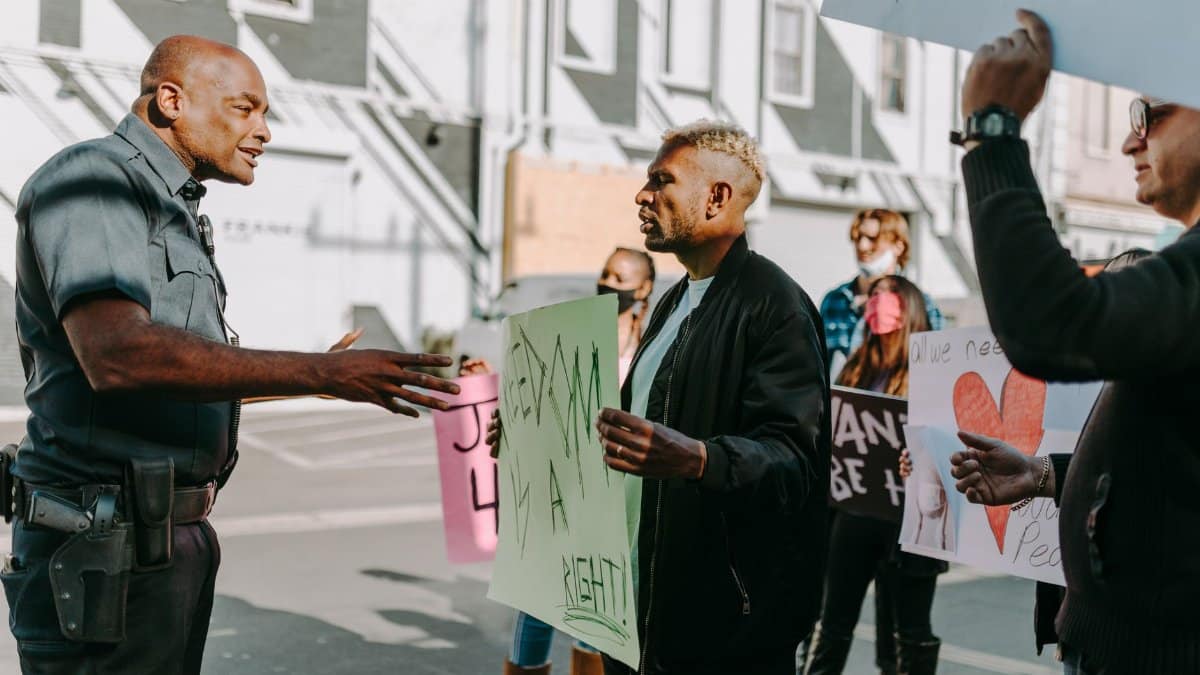
Limited media engagement reduces chances for representatives to hear diverse viewpoints outside their immediate circles. Journalists frequently serve as conduits for constituent concerns that might otherwise go unaddressed. Avoiding those channels narrows the range of perspectives considered during policy development.
Public Expectations for Accountability
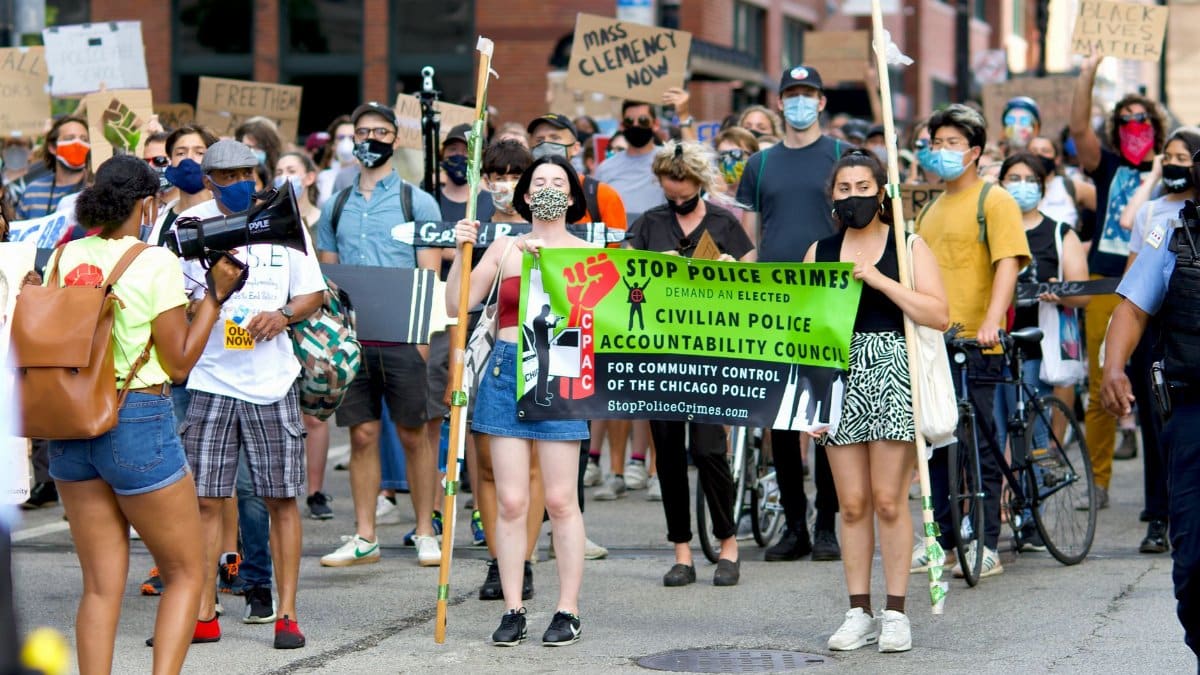
Surveys indicate strong support among Minnesotans for regular press availability by elected officials regardless of party affiliation. Many view such interactions as basic responsibilities rather than optional activities. Failure to meet these standards contributes to broader skepticism about government responsiveness.
Comparisons Across District Lines
Representatives from metropolitan areas tend to appear more frequently in news segments and opinion forums. Their rural colleagues often operate under different pressures including vast geographic distances that complicate travel for interviews. Still the disparity in visibility remains noticeable to attentive followers of state politics.
Potential Paths Toward Greater Openness
Advocates recommend scheduled media roundtables or virtual sessions that accommodate busy calendars. Such steps could rebuild trust while allowing representatives to share accomplishments directly with the people they serve. Rural Reps Press might evolve into a more constructive relationship under these conditions.
Broader Implications for State Representation
The current approach influences how Minnesota issues receive attention at the federal level. Without consistent media presence rural priorities risk fading from national conversations. Restoring balance requires deliberate effort from both lawmakers and news organizations committed to thorough coverage. Rural Reps Press serves as a reminder that representation extends beyond votes cast to include ongoing communication with the public.