

In communities throughout Washington state, parents have watched with concern as enrollment slots for young children shrink amid shifting state priorities. This development has brought renewed attention to WA Preschool Cuts and the broader consequences for working families who rely on affordable early learning opportunities.
Background on State Funding Decisions

State lawmakers have adjusted allocations for early education in response to revenue shortfalls and competing demands from other public services. Officials note that these adjustments reflect careful review of overall expenditures rather than targeted reductions alone. Families in both urban and rural areas report longer wait lists and fewer available classrooms as a direct result.
Consequences for Working Parents

Many households depend on reliable preschool schedules to maintain employment and manage daily logistics. When programs scale back hours or close locations entirely, caregivers often face difficult choices between career stability and child supervision needs. This situation affects productivity across multiple sectors where parents form a key part of the workforce.
Impact on Child Development Outcomes
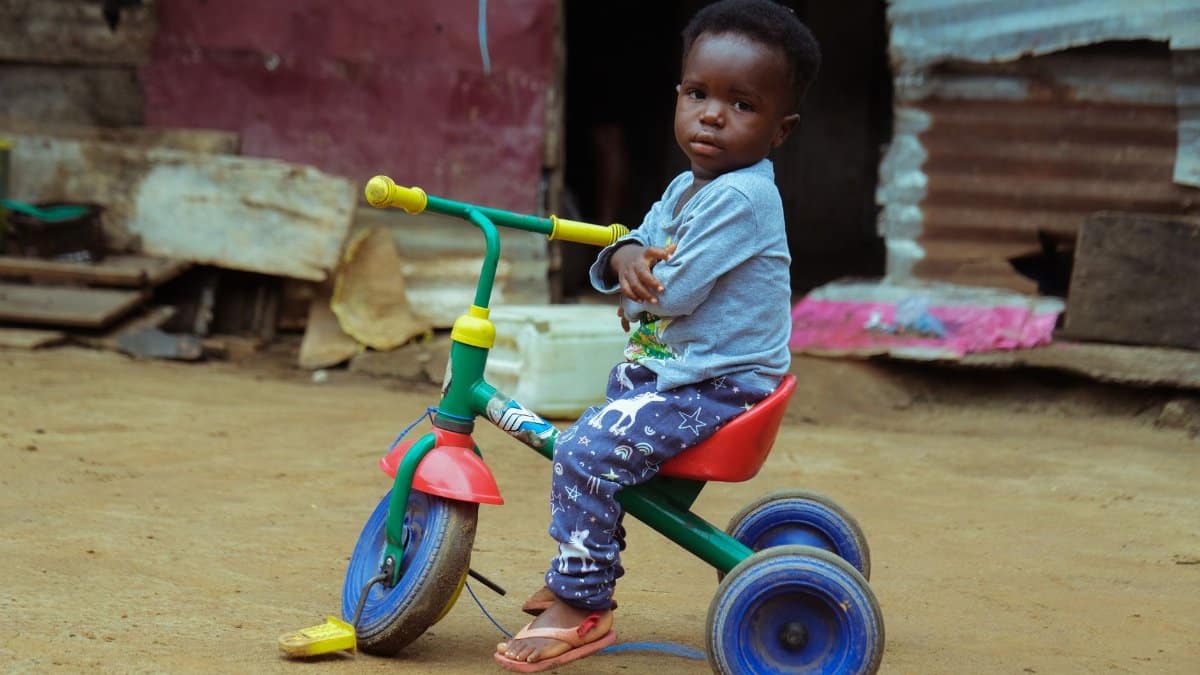
Research consistently shows that consistent early education supports cognitive growth, social skills, and school readiness. Reductions in program availability may delay these benefits for thousands of children during critical formative years. Educators emphasize the importance of sustained access rather than intermittent participation.
Regional Variations Across Washington

Urban centers experience different pressures compared with smaller towns where fewer alternative providers exist. Some districts have attempted to offset losses through local fundraising while others have consolidated classes to preserve core offerings. Geographic disparities highlight uneven effects of the same statewide policy changes.
Responses from Advocacy Groups
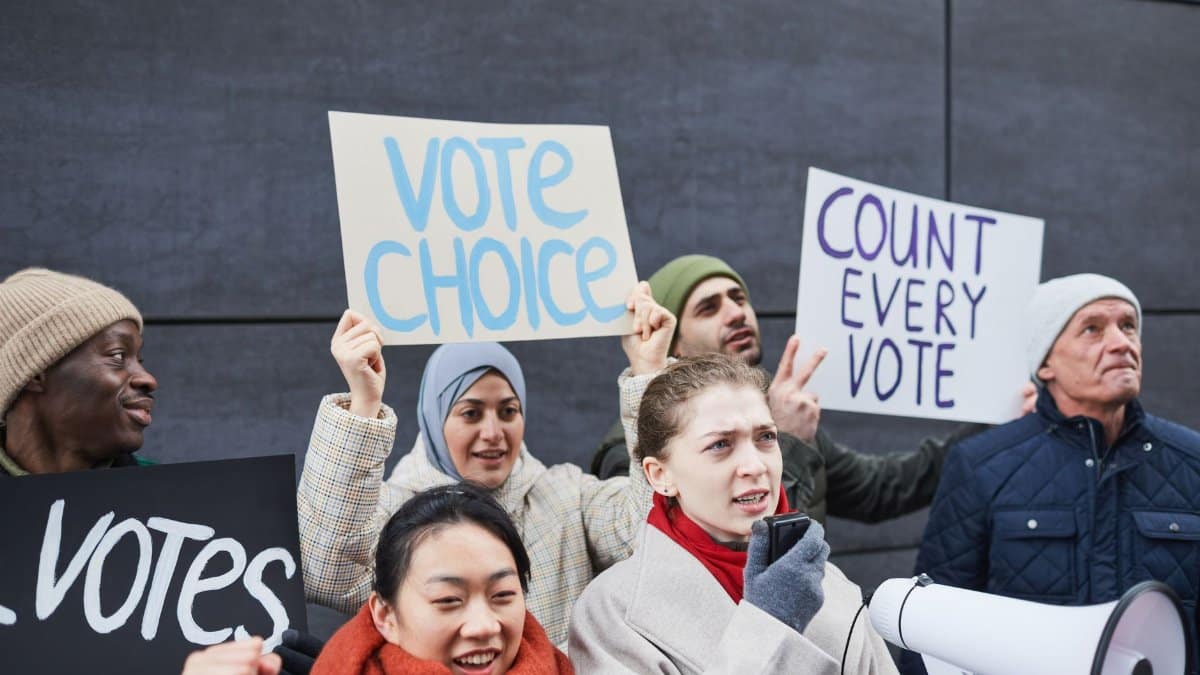
Organizations focused on child welfare have organized public forums and shared data with legislators to illustrate family experiences. These efforts aim to keep the topic visible in ongoing budget conversations without assigning blame to any single party. Community leaders stress collaborative solutions over partisan divides.
Comparisons with Neighboring States

Other states have pursued different approaches to balancing education budgets during similar fiscal challenges. Some have protected preschool lines through dedicated revenue streams while others have integrated services with elementary schools. Washington leaders continue to examine these models for possible adaptation.
Long Term Economic Considerations

Investments in early learning are often linked to future workforce capabilities and reduced need for remedial services later. Analysts suggest that short term savings from program adjustments could lead to higher costs in areas such as special education or social support systems. This perspective encourages forward looking budget planning.
Stories from Affected Families

One parent described rearranging work shifts after losing a convenient preschool option near home. Another family explored private alternatives but found costs prohibitive without subsidies. Such accounts reveal personal dimensions behind aggregate enrollment statistics.
Potential Paths Forward

Policymakers have discussed options including phased restorations or partnerships with nonprofit providers. Public input sessions allow residents to share priorities directly with decision makers. Continued monitoring will determine whether these steps can stabilize access in the coming years.