

In the chambers of the Illinois legislature lawmakers face a stark choice between supporting a major sports venue project and responding to widespread calls for easing the load on residential property owners. This clash has drawn attention across the state as proposals advance for public resources tied to the Chicago Bears while separate measures aim at reducing annual tax bills for families. The Bears Tax Debate highlights how these competing demands test the priorities of elected officials in Springfield.
Background on the Stadium Funding Proposal
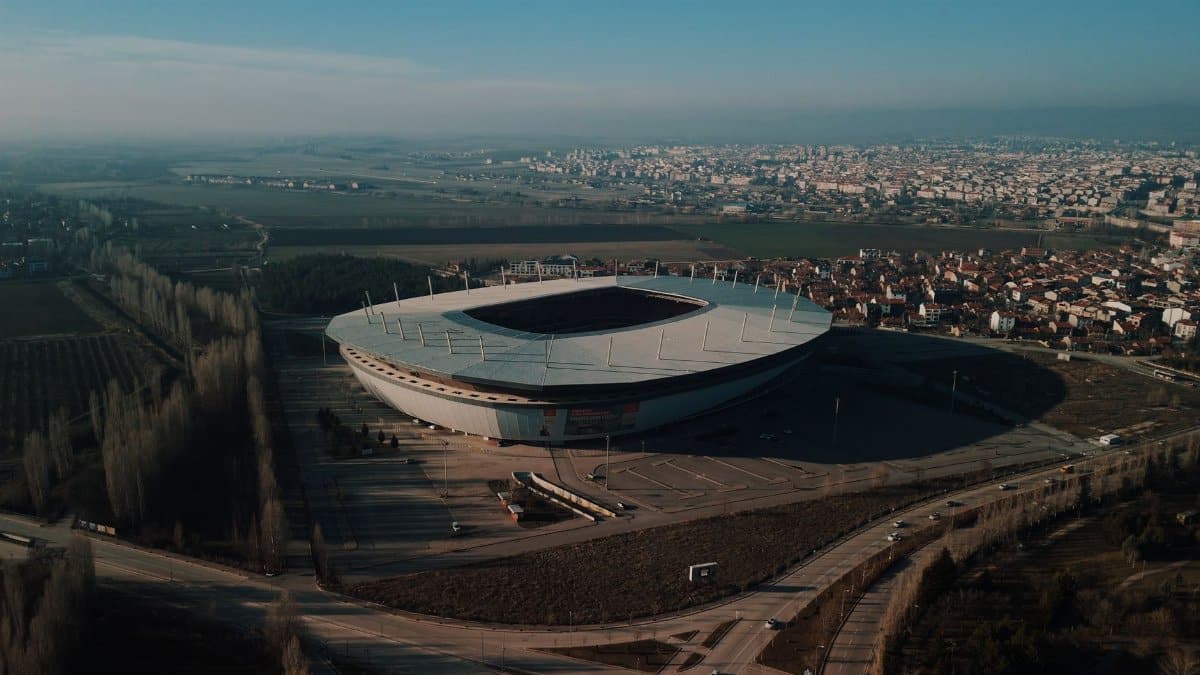
Democrats in the House have advanced a package that would direct state resources toward a new venue for the Bears. Backers argue the project would generate jobs and economic activity in the region over many years. Details include tax incentives structured to support construction and operations with the expectation of future revenue returns.
Republican Focus on Property Tax Adjustments

On the other side Republicans have introduced bills centered on cutting or capping property taxes for homeowners. These efforts reflect concerns about rising assessments that strain household budgets especially in suburban and rural districts. Sponsors point to data showing Illinois among states with higher effective rates on residential real estate.
Key Differences in Legislative Approaches
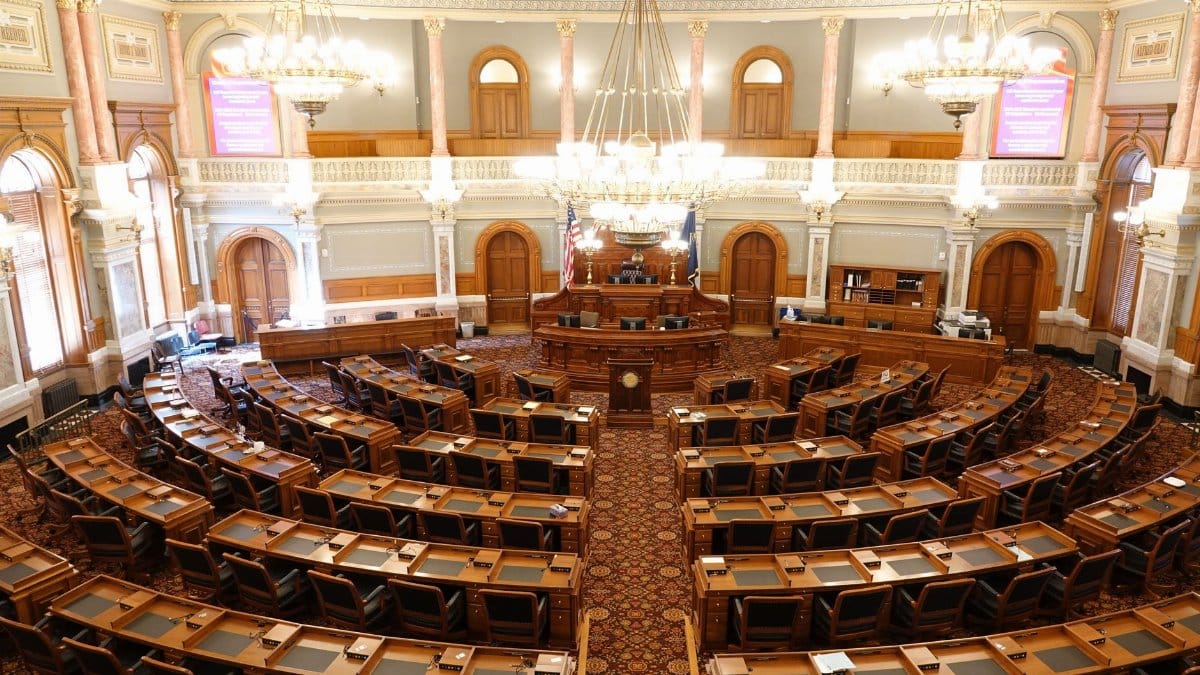
The two sides differ sharply on timing and allocation of limited state funds. One group sees the stadium as an investment in growth while the other insists relief for current taxpayers must come first. Negotiations continue amid pressure from interest groups on both issues.
Economic Arguments Presented by Supporters

Advocates for the stadium deal cite projections of increased tourism and related business activity. They reference similar projects in other cities where venues contributed to downtown revitalization. Critics counter that such benefits often fall short of initial estimates and may not offset public costs.
Impact on Local Homeowners and Communities

Property tax relief measures would directly affect millions of residents across Illinois counties. Lower bills could free up income for other expenses though opponents worry about reduced funding for schools and local services. The debate underscores regional divides between urban development goals and suburban fiscal pressures.
Role of Party Leadership in Shaping Outcomes

House Speaker Emanuel Chris Welch has guided the stadium related legislation through committee stages. Meanwhile Republican leaders coordinate messaging around taxpayer protections. Internal caucus discussions reveal varying degrees of willingness to compromise on elements of each plan.
Public Reaction and Constituent Feedback

Residents have voiced opinions through town halls and written correspondence to representatives. Some express support for the stadium as a symbol of state pride while many others prioritize immediate savings on their tax statements. Polling indicates divided sentiments depending on location and income level.
Historical Context of Similar Illinois Debates

Past sessions have seen comparable tensions over sports facilities and tax policy. Earlier stadium proposals encountered resistance over public financing terms. Property tax reforms have also surfaced periodically with limited success in achieving broad reductions.
Potential Paths Forward in the Current Session

Observers expect amendments or paired legislation that might address elements of both priorities. Lawmakers could seek revenue sources that avoid direct competition between the initiatives. Final votes remain uncertain as the calendar advances toward adjournment.
Broader Implications for State Fiscal Policy

Whatever the result this episode may influence future decisions on large scale projects and relief programs. It illustrates ongoing challenges in balancing development incentives with everyday taxpayer needs in a state facing structural budget questions.