

In recent months the debate over law enforcement visibility has taken an unexpected turn in California. A federal appeals court decision has paused enforcement of a state measure aimed at increasing openness among officers operating within its borders. The discussion centers on Federal Agents ID and how such requirements intersect with broader concerns about safety and accountability in public spaces.
Origins of the California Measure

State lawmakers crafted the rule after incidents where residents reported difficulties identifying officers during encounters. Proponents argued that clear labeling would build trust and reduce misunderstandings in diverse communities. The statute sought to apply across various agencies including those with federal ties operating locally.
Details of the Judicial Intervention

Judges on the appeals panel reviewed claims that the law overstepped boundaries between state authority and federal operations. They noted potential conflicts with existing national standards for agent conduct. The stay prevents immediate rollout while further review proceeds in higher courts.
Perspectives from Law Enforcement Groups

Representatives of federal bureaus expressed relief at the pause. They highlighted risks to personnel when identities become too easily traceable in sensitive investigations. Operational flexibility remains a priority according to those involved in field work across state lines.
Views from Advocacy Organizations
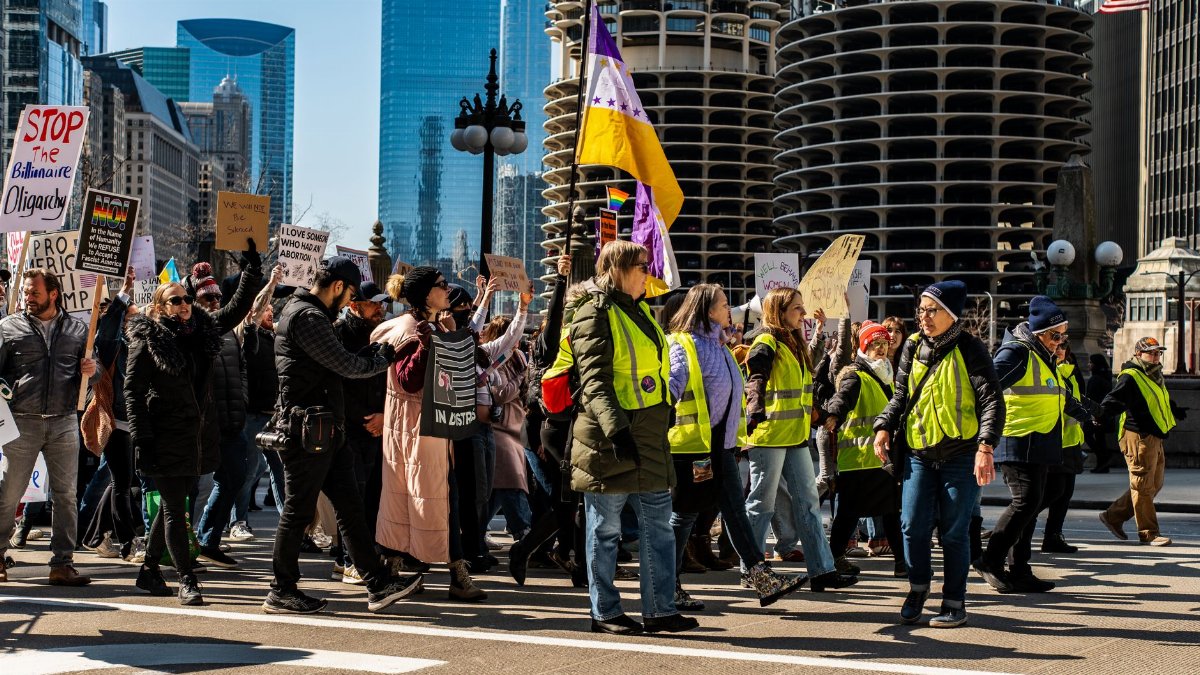
Civil liberties groups welcomed initial passage of the rule yet now face uncertainty following the court action. They continue to emphasize resident rights to know who is exercising authority during stops or raids. Ongoing campaigns seek alternative paths to promote openness.
Historical Precedents in Similar Cases

Courts have addressed comparable issues in other regions where local rules clashed with national protocols. Past rulings often balanced community interests against the need for coordinated enforcement efforts. This latest development adds to that evolving body of decisions.
Potential Effects on Daily Operations

Agents might adjust procedures temporarily to align with the current legal landscape. Training programs could incorporate updated guidance on identification practices until clarity emerges from additional litigation. Field teams report monitoring the situation closely.
Public Reactions Across the State
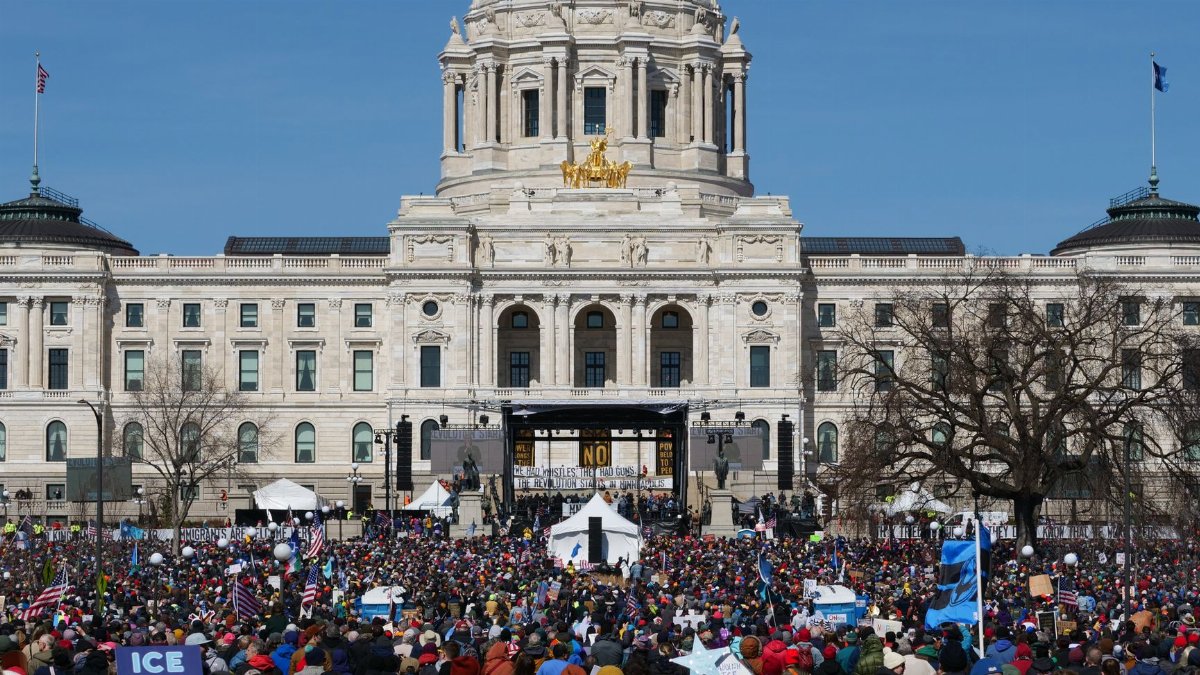
Residents in urban centers have voiced mixed feelings through town halls and online forums. Some appreciate efforts toward greater visibility while others worry about unintended consequences for security. Discussions continue in local media outlets.
Broader National Implications

The outcome may influence policy conversations in neighboring states considering parallel steps. Federal officials watch for signals on how courts interpret overlapping jurisdictions. This case underscores ongoing tensions in governance structures.
Looking Ahead to Further Review

Oral arguments in the next phase are scheduled for coming months. Stakeholders on both sides prepare detailed briefs outlining their positions. The final determination could reshape practices related to Federal Agents ID for years ahead.
Ethical Dimensions in Enforcement

Questions of fairness and responsibility surface when rules affect those sworn to protect. Observers note the value of measured approaches that respect all parties in complex situations. Such reflections guide future dialogues on authority and service.