

Across the American landscape a movement is stirring in Minnesota where residents seek an amendment designed to curb excessive spending by the ultra wealthy in political campaigns. This initiative draws attention to Billionaire Politics and raises questions about fairness in the electoral process. Citizens from various backgrounds are coming together to advocate for change that would place limits on contributions and promote greater transparency in funding sources. The proposal has attracted bipartisan interest signaling a shared desire to restore balance to the system.
Examining the Amendment Details

The measure under consideration in Minnesota would establish clearer boundaries on how much individuals and entities can pour into races at state and local levels. Supporters argue that such steps are essential to prevent a handful of powerful figures from dominating outcomes through unlimited outlays. Lawmakers from both parties have voiced support noting that the current environment allows Billionaire Politics to overshadow the voices of ordinary voters.
Roots of Wealth Driven Influence

Over recent decades shifts in campaign finance rules have opened doors for greater involvement by affluent donors. Court decisions paved the way for expanded roles by independent groups often backed by single large contributors. This evolution has led many observers to question whether elections truly reflect broad public will or instead serve concentrated interests.
Public Response Across the State

Residents in urban and rural areas alike have expressed frustration with the status quo. Town hall meetings and online discussions reveal widespread agreement that reform is overdue. Petitions circulating in recent months show strong backing for the amendment as a practical step toward leveling the field.
Bipartisan Momentum Builds

Unusual alliances have formed around the issue with conservatives and progressives finding common ground on the need for restraint. This cooperation stands out in a polarized time and suggests the push against Billionaire Politics transcends typical divides. Organizers hope this unity will carry the proposal through legislative hurdles.
Comparisons With Other States

Similar efforts elsewhere provide useful models though results vary. Some jurisdictions have enacted contribution caps while others focus on disclosure requirements. Minnesota leaders are studying these examples to craft language that withstands legal challenges and delivers meaningful limits.
Potential Effects on Future Races

If approved the amendment could alter how candidates raise funds and communicate with voters. Campaigns might rely more on small donations and grassroots networks rather than large checks from afar. Analysts predict shifts in messaging as contenders appeal to wider audiences instead of courting elite backers.
Challenges in Implementation

Enforcement will require careful oversight and resources to track compliance. Opponents warn of unintended consequences such as reduced participation by legitimate advocacy groups. Proponents counter that well designed rules can address these concerns while curbing excesses tied to Billionaire Politics.
Looking Ahead to Voter Approval
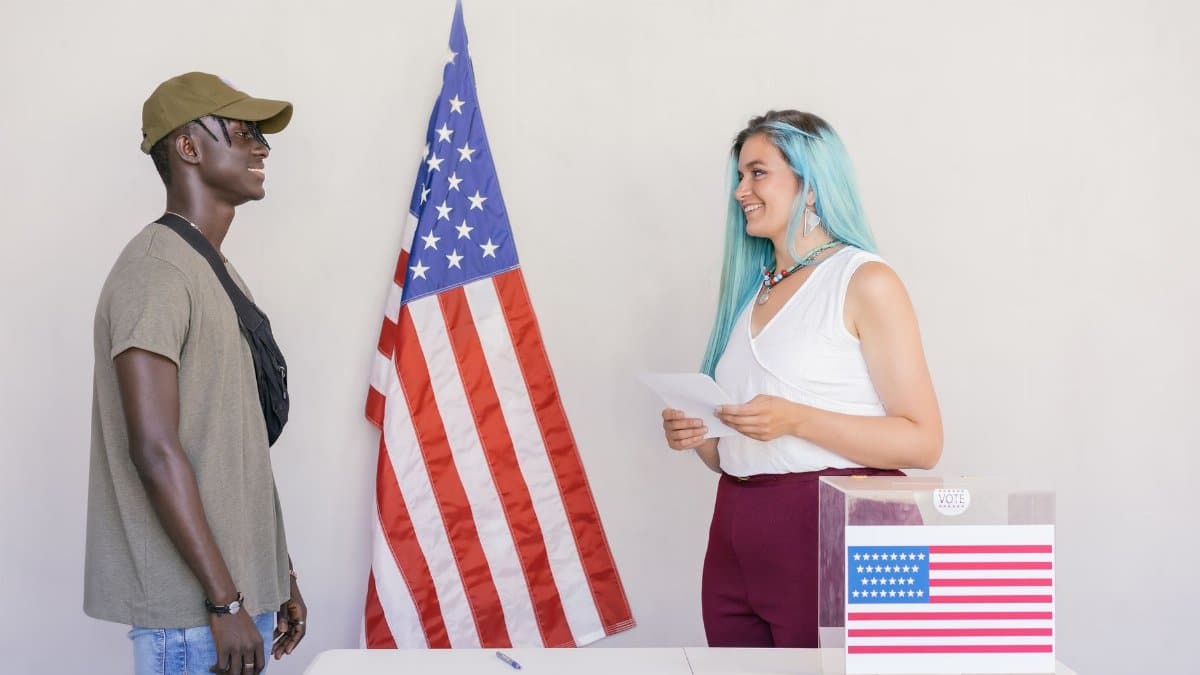
The path forward includes gathering signatures and eventual ballot placement. Advocates are optimistic based on early polling that shows majority support. Success here could inspire parallel actions in other states seeking to reclaim democratic processes from concentrated financial power.