
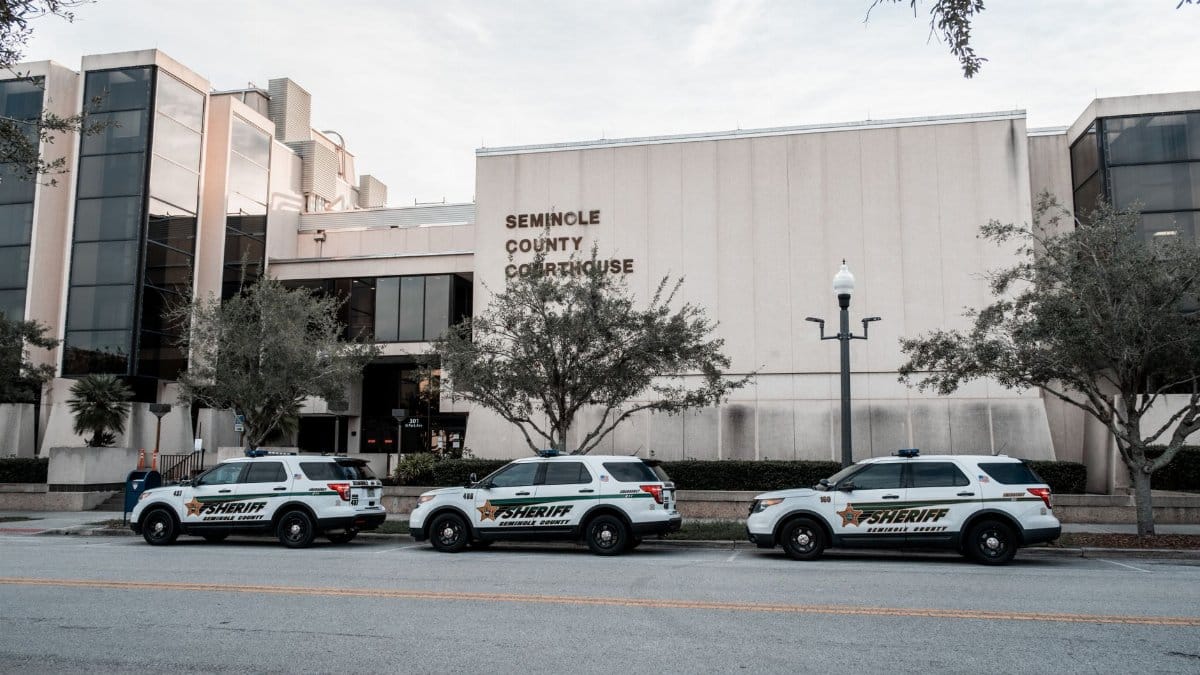
In the corridors of Philadelphia government recent announcements have drawn attention to shifts within the sheriff office as several new leaders assume key responsibilities. Residents and analysts alike watch closely to see how these transitions influence daily operations across the city. The focus naturally falls on Sheriff Leadership which plays a central role in maintaining order while adapting to community needs in a large urban environment.
The Recent Appointments in Philadelphia

Philadelphia has seen a series of personnel updates that place experienced professionals in positions of authority within the sheriff office. These moves reflect efforts to strengthen administrative functions and respond to evolving public expectations. Observers point out that the selections emphasize backgrounds in both law enforcement and community relations. Such choices aim to bridge gaps between official duties and resident concerns. The process involved careful review of candidates who demonstrate commitment to transparent practices. As these individuals settle into their roles the broader implications for citywide safety measures become a topic of discussion among local stakeholders.
Core Elements of Effective Sheriff Leadership

Sheriff Leadership requires a blend of strategic oversight and direct engagement with the public. Leaders in this field must balance enforcement priorities with initiatives that foster cooperation. In practice this means overseeing jail operations training staff and coordinating with other agencies. Successful examples show that consistent communication helps reduce misunderstandings. Philadelphia officials have highlighted the value of adapting traditional methods to contemporary challenges. By prioritizing these aspects new appointees can contribute to more stable institutional performance over time.
Community Relations and Public Trust

Building lasting connections with neighborhoods stands as a priority for those guiding sheriff operations. Trust develops through regular outreach programs and open forums where concerns receive prompt attention. In cities like Philadelphia such interactions help address issues before they escalate. Leaders who invest in these relationships often see improved compliance with regulations. Data from similar jurisdictions suggests that proactive dialogue correlates with lower incident rates. The new officials appear positioned to expand these efforts based on their prior work in adjacent fields.
Training Programs for Top Officials

Ongoing education forms a foundation for capable performance in sheriff roles. Programs typically cover legal updates crisis management and ethical standards. Participants gain tools to handle complex situations with greater confidence. Philadelphia has supported expanded access to these resources in recent years. This approach helps ensure that leadership remains responsive to both policy changes and ground level realities. Evaluations of such training indicate measurable gains in operational efficiency across participating departments.
Challenges in Urban Law Enforcement Settings

Sheriff offices in major cities navigate issues ranging from resource allocation to shifting crime patterns. Leaders must make decisions that account for diverse population dynamics. Philadelphia presents unique pressures due to its size and history. Addressing these requires coordinated strategies rather than isolated actions. The incoming team brings perspectives that could inform fresh responses to longstanding concerns. Monitoring progress will involve input from multiple community voices.
Integration With Local Governance Structures

Sheriff Leadership intersects with city council decisions and mayoral priorities on a regular basis. Alignment in these areas supports cohesive policy implementation. New officials in Philadelphia will likely participate in joint planning sessions to align goals. This collaboration can lead to more unified approaches on matters of public safety. Historical patterns show that integrated leadership tends to produce steadier outcomes. Attention to these linkages will shape how the office contributes to overall municipal progress.
Historical Perspectives on the Position

The sheriff role has evolved considerably since its origins in early American governance. Early duties focused mainly on court security and tax collection. Over decades responsibilities expanded to include corrections and community programs. Philadelphia records illustrate this progression through various administrations. Understanding past adaptations provides context for current transitions. The latest appointments continue this trajectory by incorporating modern management techniques.
Looking Ahead for Public Safety Approaches

Future developments in sheriff operations may emphasize technology and data informed practices. Philadelphia leaders have expressed interest in tools that enhance monitoring without compromising rights. Sheriff Leadership will determine how quickly these innovations take hold. Sustained focus on professional standards can support steady advancement. As the new officials begin their tenures the city watches for signs of meaningful improvement in service delivery.