

Raising Teens presents unique challenges as young people navigate the shift from childhood dependence to adult independence. Families often find themselves adjusting expectations while supporting growth in unpredictable ways. This process requires patience and a willingness to adapt alongside adolescents whose emotional worlds are expanding rapidly. Parents who approach these years with curiosity rather than control frequently discover that their own perspectives evolve in tandem with those of their children.
Observing Shifts in Daily Routines
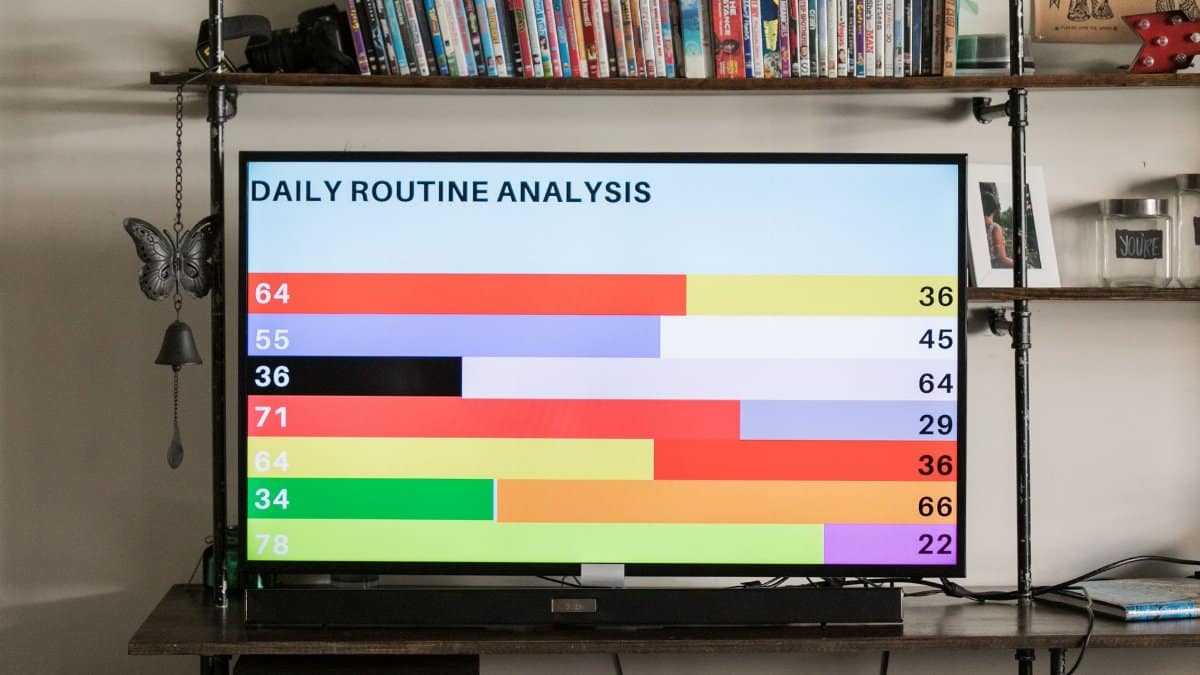
Teenagers begin to claim more control over schedules and friendships. What once involved direct oversight now calls for quiet observation. Families that allow room for trial and error notice that small missteps often teach more than repeated warnings. This adjustment period tests everyone involved yet builds mutual respect over time.
Recognizing Emotional Intensity

Adolescents experience feelings with greater force than in earlier years. A single disappointment can color an entire afternoon. Adults who respond with steady presence rather than immediate solutions help young people learn to regulate their reactions. Such moments strengthen trust without requiring perfect outcomes each day.
Encouraging Independent Decision Making

Allowing teenagers to weigh options on matters like after school activities or weekend plans fosters ownership. Guidance remains available when requested. The goal centers on developing sound judgment rather than enforcing every preference. Over time this approach reduces conflict and prepares young people for later responsibilities.
Creating Space for Honest Exchanges

Conversations flow more freely when parents listen without interrupting. Questions posed out of genuine interest invite teenagers to share thoughts they might otherwise withhold. Regular check ins during ordinary activities such as drives or meals can surface concerns before they grow larger. Consistency matters more than lengthy discussions.
Balancing Freedom With Clear Expectations

Limits around safety and respect for others provide necessary structure. These guidelines work best when explained rather than imposed. Teenagers respond to fairness and logic. Revisiting rules together as circumstances change keeps the framework relevant and accepted by all parties.
Supporting Connections Beyond the Family

Friendships and mentors outside the household play vital roles during adolescence. Parents who welcome these influences without feeling displaced help teenagers build broader support networks. Involvement in community groups or creative pursuits often supplies the sense of belonging that family alone cannot always provide.
Addressing Sleep and Digital Habits

Rest patterns frequently suffer under academic pressure and screen use. Establishing shared agreements on device curfews protects mental health for everyone. Modeling balanced habits proves more effective than lectures. Families that prioritize consistent bedtimes report smoother mornings and fewer emotional outbursts.
Navigating Academic Pressures

School performance becomes a central measure of self worth for many teenagers. Adults who emphasize effort and learning over grades ease anxiety. When setbacks occur, focusing on next steps rather than past errors maintains motivation. Collaboration with teachers creates a united front that benefits the student.
Embracing Shared Growth Moments

Parents often discover personal insights while guiding teenagers through uncertainty. The process of raising teens invites reflection on one’s own adolescence and values. This parallel development can deepen family bonds. Celebrating incremental progress together reinforces that change remains possible at every age.