
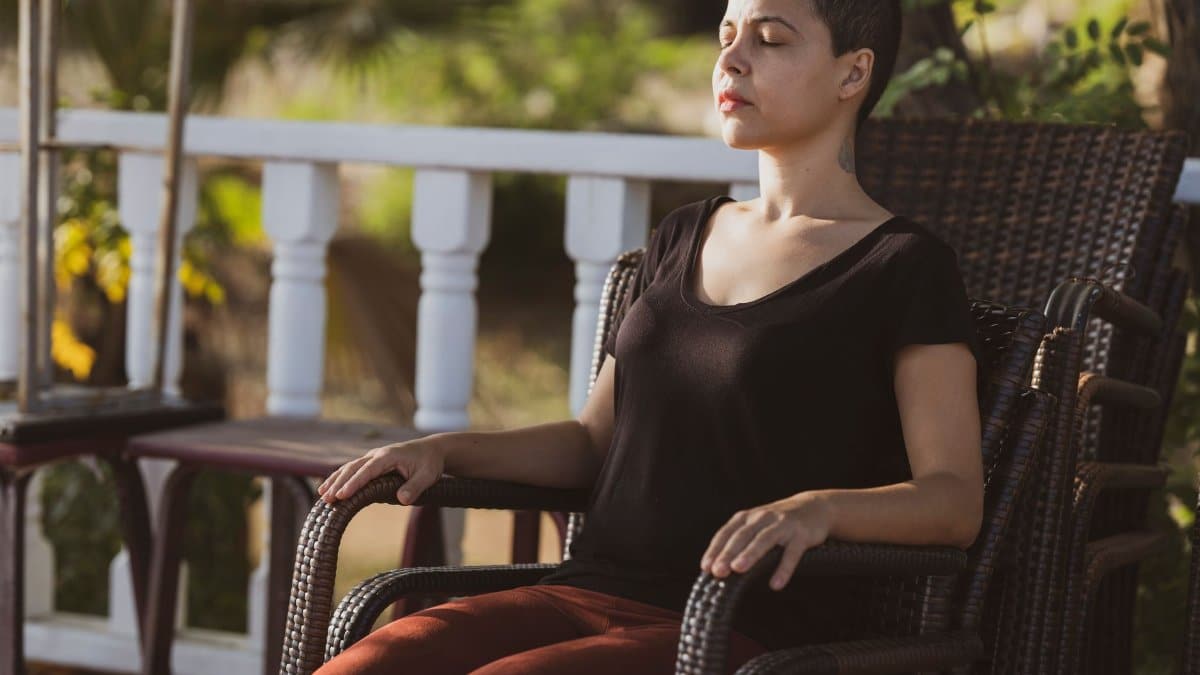
Many adults reach a point where their physical form feels more like a background presence than a steady companion. Days fill with obligations and screens, leaving little space to acknowledge the breath that sustains focus or the legs that carry one through routines. In such moments a practice centered on Body Gratitude offers a gentle return to awareness, inviting attention to the quiet labor that keeps life moving forward.
Recognizing Everyday Physical Support
The heart beats without prompting and the lungs expand with each inhale, tasks completed thousands of times before any thought arises. Acknowledging these functions can shift perspective from viewing the body as a machine to seeing it as an active partner. Over time this recognition builds a foundation for steadier daily choices that honor rather than ignore physical limits.
Creating Space for Quiet Reflection

A brief pause in the middle of a busy schedule allows tension to surface and then ease. Sitting or lying comfortably, one might close the eyes and notice areas of tightness across the shoulders or lower back. This simple act of noticing sets the stage for deeper appreciation without requiring special equipment or extended time away from responsibilities.
Beginning the Twelve Minute Sequence
The practice opens with attention placed on the feet and moves upward through each region in turn. Rather than forcing change, the focus rests on what each part already accomplishes during ordinary movement. Warmth or subtle pressure may appear, signaling the body at work even in stillness.
Releasing Accumulated Strain
As awareness travels, stored pressure often reveals itself in the jaw or along the spine. Softening these spots through slow exhales encourages a sense of ease that spreads outward. The process remains passive, relying on observation instead of effort to let muscles settle into their natural length.
Extending Thanks Through Breath
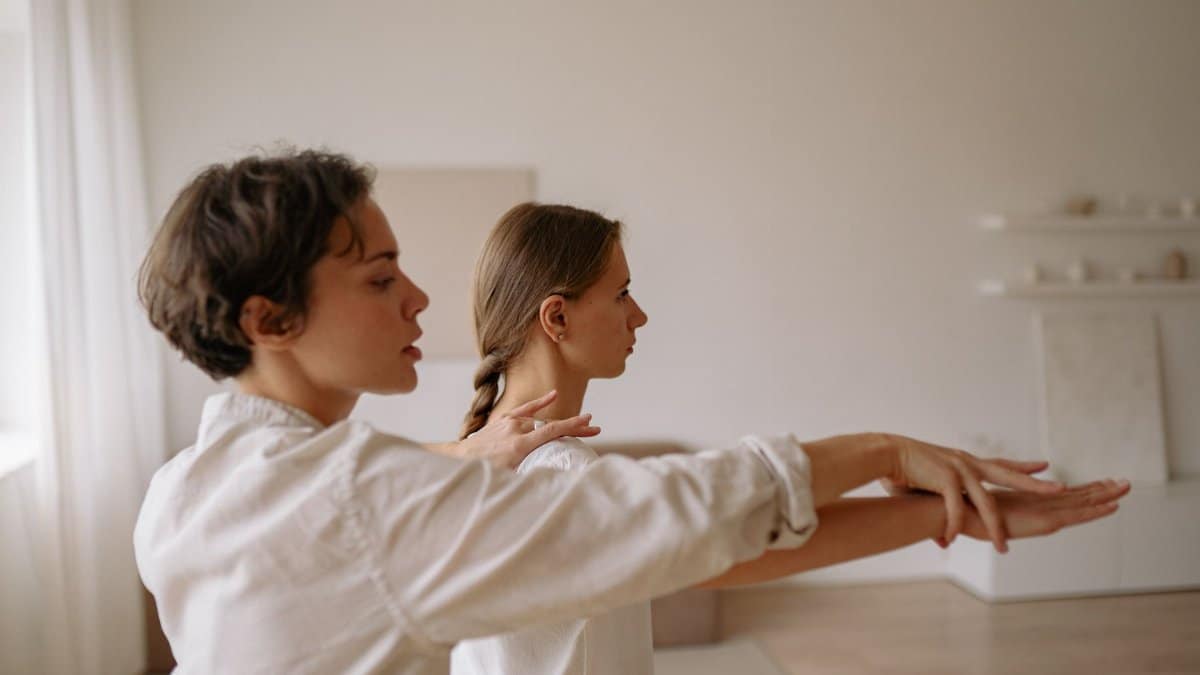
Each inhale can carry a silent note of acknowledgment while each exhale allows gratitude to settle into the tissues. This pairing of breath and intention strengthens the connection between mind and form, turning a routine physiological act into a moment of conscious thanks. Practitioners often report a lighter mood after only a few cycles.
Integrating the Experience Into Routine
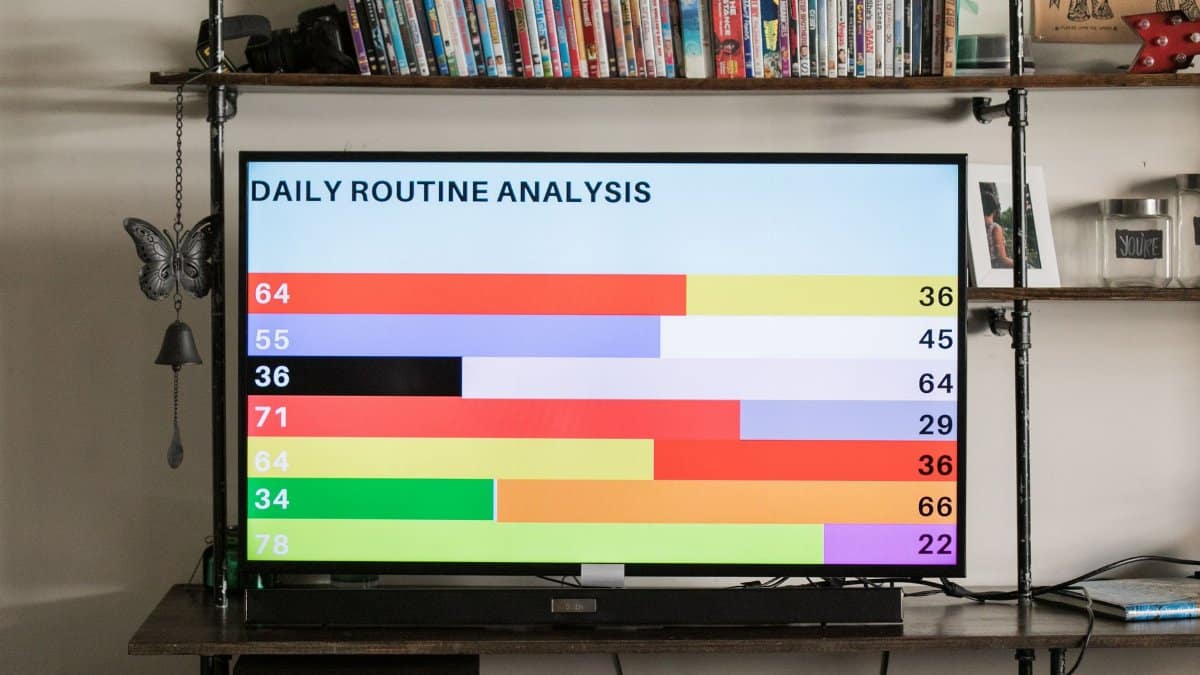
After the seated portion ends, a slow return to standing helps carry the sense of appreciation into the next activity. Small adjustments such as improved posture or more measured pacing emerge naturally. Over repeated sessions these shifts become habits that support long term physical comfort.
Observing Shifts in Outlook
Regular engagement tends to reduce the habit of criticizing appearance or performance. Instead, attention moves toward capability and resilience built over years of use. Friends and family sometimes notice a calmer presence in those who maintain the practice, though the primary benefits remain internal and personal.
Sustaining the Sense of Connection

Body Gratitude grows stronger when revisited during ordinary tasks such as walking to a meeting or preparing a meal. A quick mental scan of the hands or the spine can rekindle the feeling without interrupting workflow. In this way the twelve minute session becomes a starting point rather than an isolated event, allowing thankfulness to accompany movement through the remainder of the day.