
In an era when political rallies and social media feeds often resemble battlegrounds rather than forums for exchange, many Americans find themselves searching for ways to reconnect across deep divides. A recent podcast from the Greater Good Science Center examines practical methods for bridging those gaps, drawing on research into empathy and dialogue. The discussion highlights how individuals and communities can move past reflexive opposition toward something more constructive. At its core lies the pursuit of Common Ground, a concept that feels both urgent and elusive in unsettled times.
Understanding the Current Climate of Division

Surveys from organizations such as Pew Research show that partisan animosity has reached levels not seen in decades. Neighbors avoid conversations about elections, and workplaces enforce unspoken rules against certain topics. This environment fosters isolation rather than resolution. The podcast guests note that such patterns stem from evolutionary tendencies to favor in groups, yet modern media amplifies those instincts on a global scale.
The Role of Personal Stories in Connection

Listeners to the episode learn that sharing individual experiences often outperforms abstract arguments. One participant described how recounting a family health crisis opened space for agreement on community support systems. Researchers cited in the program emphasize that narratives activate different neural pathways than statistics, allowing listeners to see shared values beneath surface disagreements.
Active Listening as a Practical Tool
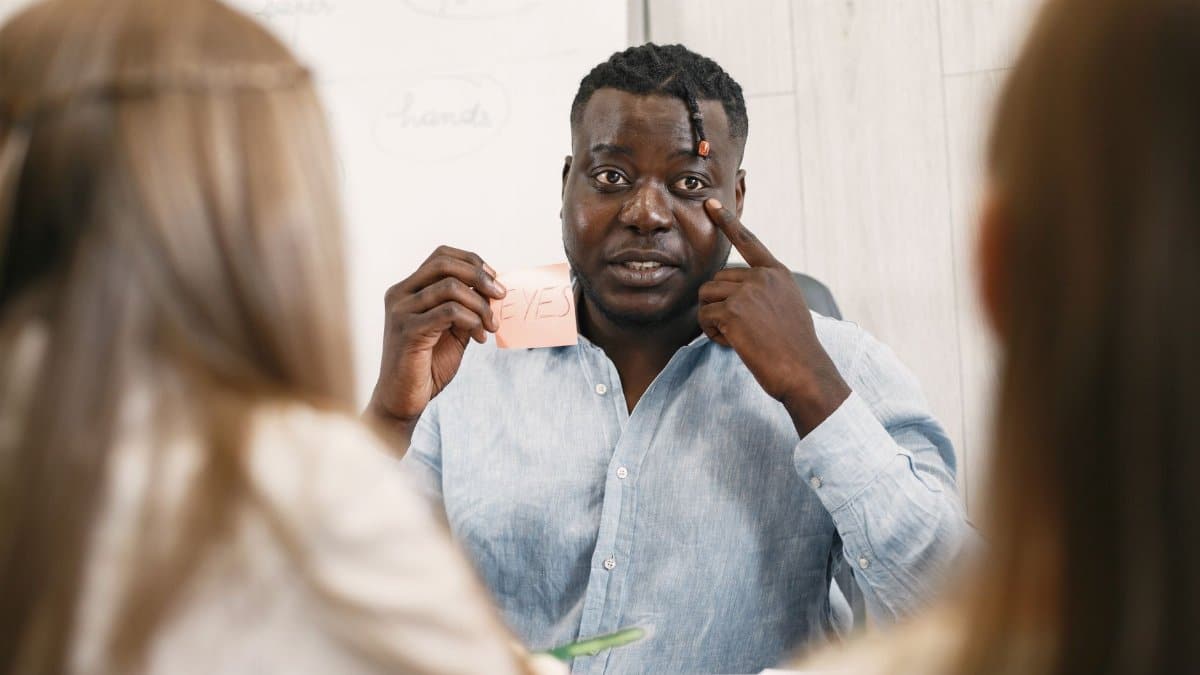
The conversation turns to techniques that slow down heated exchanges. Participants are encouraged to restate what they hear before responding, a method tested in controlled studies on conflict resolution. Data from university experiments indicate this step reduces defensiveness and increases the likelihood of mutual understanding. Over time, repeated practice builds habits that extend beyond single encounters.
Community Initiatives That Demonstrate Results
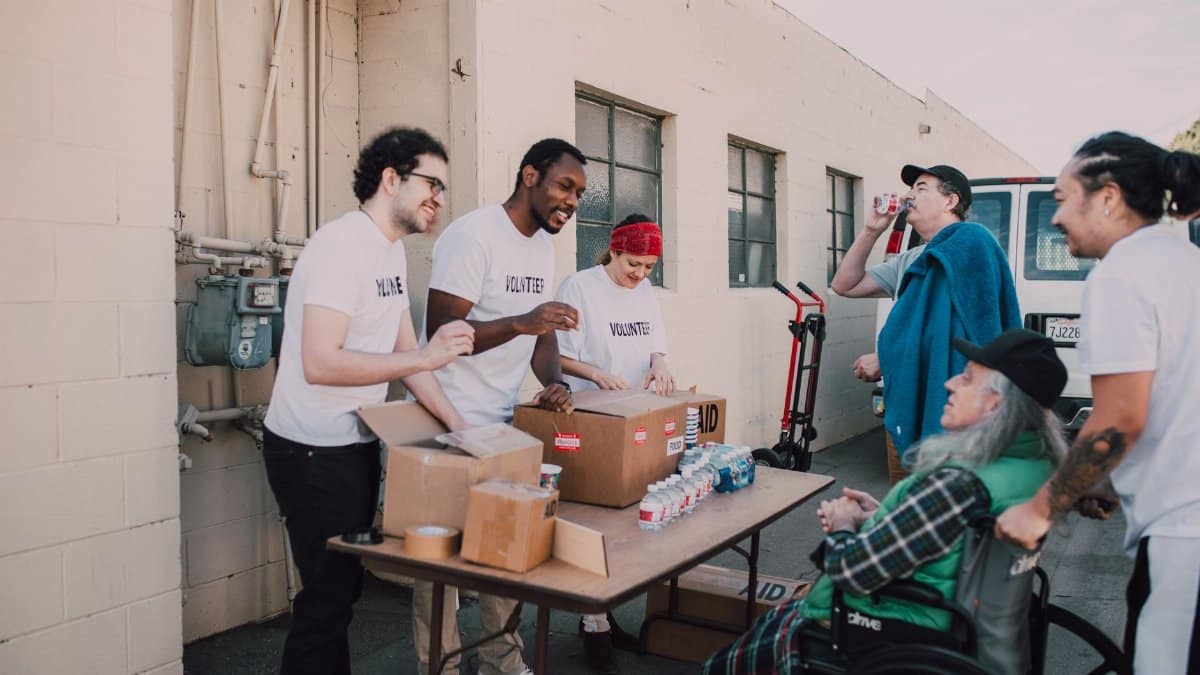
Examples from across the country illustrate how structured gatherings can produce tangible outcomes. In one Midwestern town, residents organized monthly dinners focused on local issues rather than national headlines. Attendance records and follow up surveys revealed increased trust metrics and joint projects on infrastructure. Such efforts align with findings presented in the podcast regarding scalable models for dialogue.
Challenges When Emotions Run High
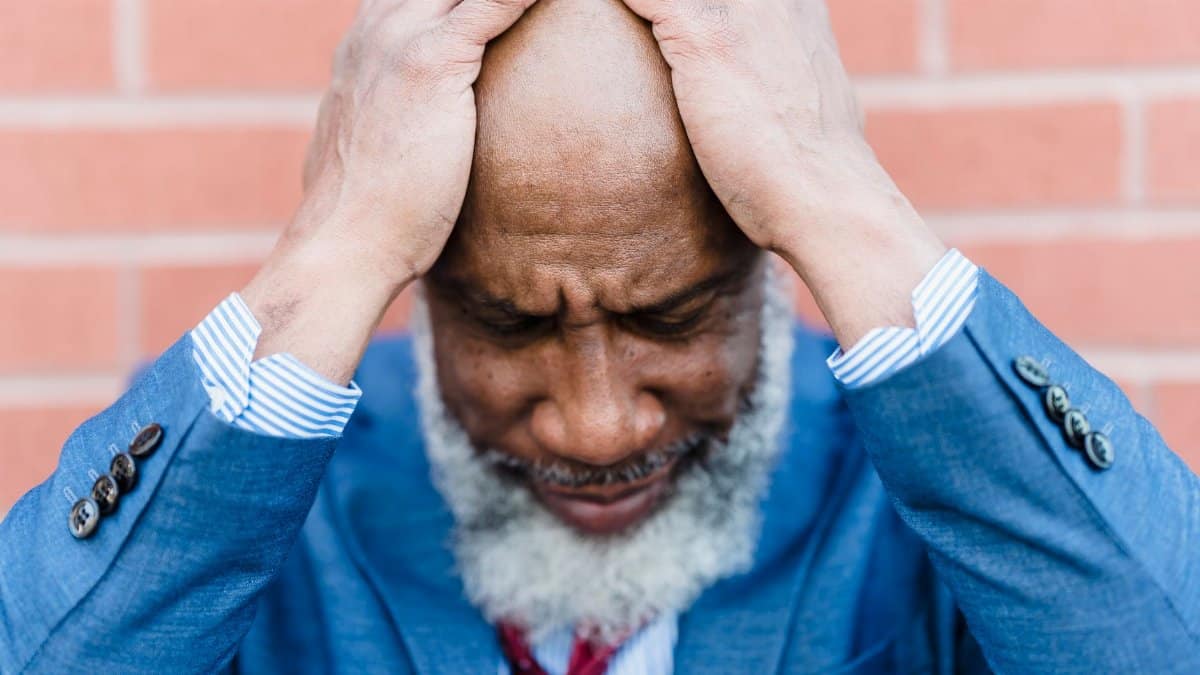
Even well intentioned approaches encounter resistance. The podcast acknowledges moments when past grievances surface and derail progress. Facilitators recommend brief pauses or neutral moderators to reset the tone. Evidence from psychology labs supports these interventions, showing measurable drops in cortisol levels among participants who step away temporarily.
Media Consumption and Its Influence

Another segment explores how selective exposure to news shapes perceptions. Algorithms reward content that confirms existing views, creating feedback loops that the podcast guests compare to echo chambers. Recommendations include deliberate exposure to outlets with differing perspectives, paired with fact checking routines. Longitudinal studies referenced during the discussion link such habits to modest but consistent gains in openness.
Education Programs for Younger Generations

Schools have begun incorporating modules on constructive disagreement. Pilot programs in several districts teach students to identify overlapping interests before debating solutions. Early evaluations suggest improvements in classroom climate and reduced incidents of bullying. The podcast frames these efforts as investments that could reshape civic life over coming decades.
Workplace Applications and Measured Benefits

Corporate settings provide another arena for applying the lessons. Human resource departments report experimenting with dialogue circles during periods of organizational change. Productivity data and employee retention figures from participating firms show positive correlations when leaders model respectful inquiry. The research basis for these practices receives detailed attention in the episode.
Looking Ahead With Measured Optimism
The podcast concludes by underscoring that progress rarely arrives through dramatic breakthroughs. Instead, incremental shifts accumulate when people commit to repeated, imperfect attempts at understanding. Listeners are left with the sense that Common Ground remains attainable, provided communities invest in the daily work of listening and reflection.