

In theaters across the country audiences have witnessed a quiet revolution as young performers claim their place in the spotlight. Their work brings fresh energy to stages and screens while highlighting talents long overlooked by traditional casting. One notable example involves individuals living with Down Syndrome who demonstrate exceptional skill in acting singing and public speaking. These artists do not merely participate they lead productions and shape narratives that resonate with viewers of all ages.
The Power of Representation in Arts

Young actors with Down Syndrome now appear in independent films and regional theater productions where their presence adds authentic depth. Directors report that casting decisions based on ability rather than assumption lead to stronger ensemble dynamics. Audiences respond with enthusiasm as characters reflect real human complexity instead of simplified tropes. This shift encourages more writers to create roles that fit a wider range of performers.
Advocacy Efforts Led by Youth
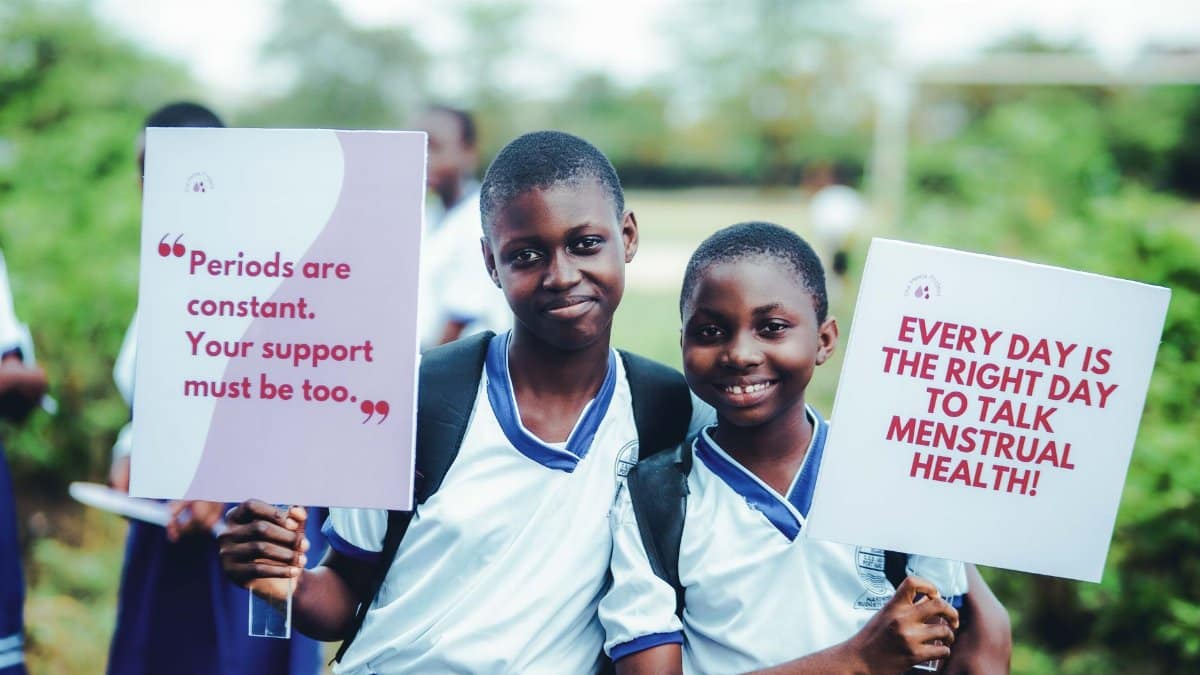
Many individuals in their twenties organize campaigns that promote equal access to education and employment. They speak at conferences and partner with local governments to adjust policies that previously limited opportunities. Their approach relies on personal testimony combined with data from community surveys. Results include new training programs designed specifically for participants who learn at varied paces.
Leadership Roles in Communities
Some young leaders establish nonprofit groups focused on social events and skill workshops. These organizations operate with boards that include members who have Down Syndrome in decision making positions. Participants gain experience in budgeting event planning and volunteer coordination. The model demonstrates that inclusive governance produces events attended by broader segments of the population.
Breaking Stereotypes Through Action

Performances and public appearances challenge outdated views that once confined people with Down Syndrome to passive roles. By taking charge of creative projects they show capacity for innovation and emotional range. Colleagues in the same productions note improved collaboration when expectations center on contribution rather than limitation. Such examples gradually influence hiring practices in entertainment and beyond.
Personal Stories of Triumph

One dancer trained for years before joining a professional company where her routines blend classical technique with contemporary expression. Another speaker travels to schools sharing experiences that help students understand differences without pity. These accounts emphasize preparation persistence and support networks built over time. Families describe gradual changes in community attitudes as visibility increases.
Educational Opportunities Expanding
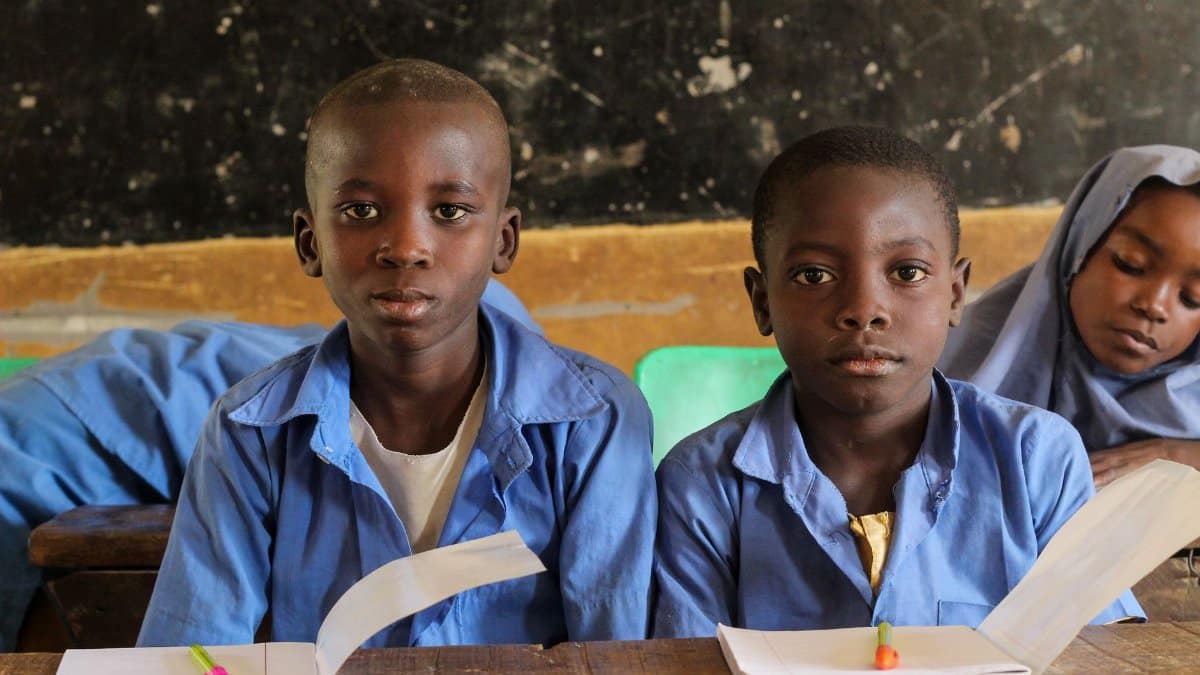
Colleges and vocational schools introduce programs that accommodate diverse learning styles while maintaining academic standards. Instructors adapt materials through visual aids and extended timelines without lowering expectations. Graduates enter fields such as hospitality media and health services with credentials that match their interests. Partnerships between institutions and employers facilitate smoother transitions into paid positions.
Family Support Systems Strengthening

Parents and siblings participate in networks that share practical advice on daily routines and long term planning. These groups host regular meetings where experiences are exchanged without judgment. Professionals including counselors and educators contribute sessions on legal rights and financial resources. The collective knowledge helps families navigate challenges with greater confidence and fewer isolated struggles.
Future Prospects for Inclusion

Continued progress depends on sustained investment in training and public awareness campaigns. Data from recent community projects indicate higher employment rates among participants who receive early exposure to arts and leadership activities. Policymakers observe that inclusive environments benefit entire groups by fostering empathy and teamwork. Observers anticipate further integration across industries as current successes accumulate.