

In quiet laboratories across the country researchers have tracked thousands of older adults for more than a decade and noticed something striking. Those who reported a clear Life Purpose showed slower declines in memory and reasoning skills even after accounting for education and health status. The pattern holds across different regions and backgrounds suggesting that having direction in later years offers more than emotional comfort. It appears tied to measurable advantages in how the brain ages. Such observations come at a time when populations worldwide are living longer and societies seek practical ways to support mental sharpness without relying solely on medication.
Connections Between Direction and Brain Health
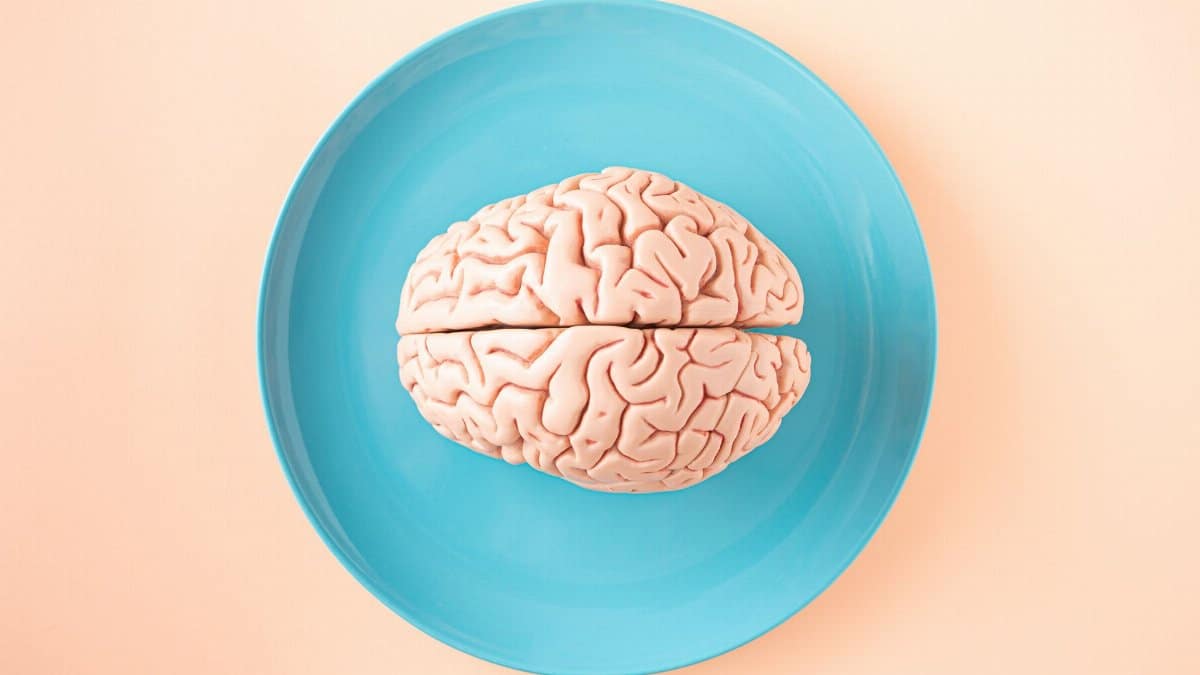
Studies from the American Psychological Association highlight that individuals who maintain strong motivation linked to personal goals tend to perform better on tests of executive function. The data come from large cohorts followed over time and the associations remain after statistical adjustments for physical activity levels.
Insights From Long Running Observation Projects

One analysis tracked participants starting in their sixties and seventies. Those scoring higher on purpose measures experienced less shrinkage in areas of the brain tied to decision making. The project continues to release updates that reinforce these early patterns.
Daily Habits That Reinforce Meaning
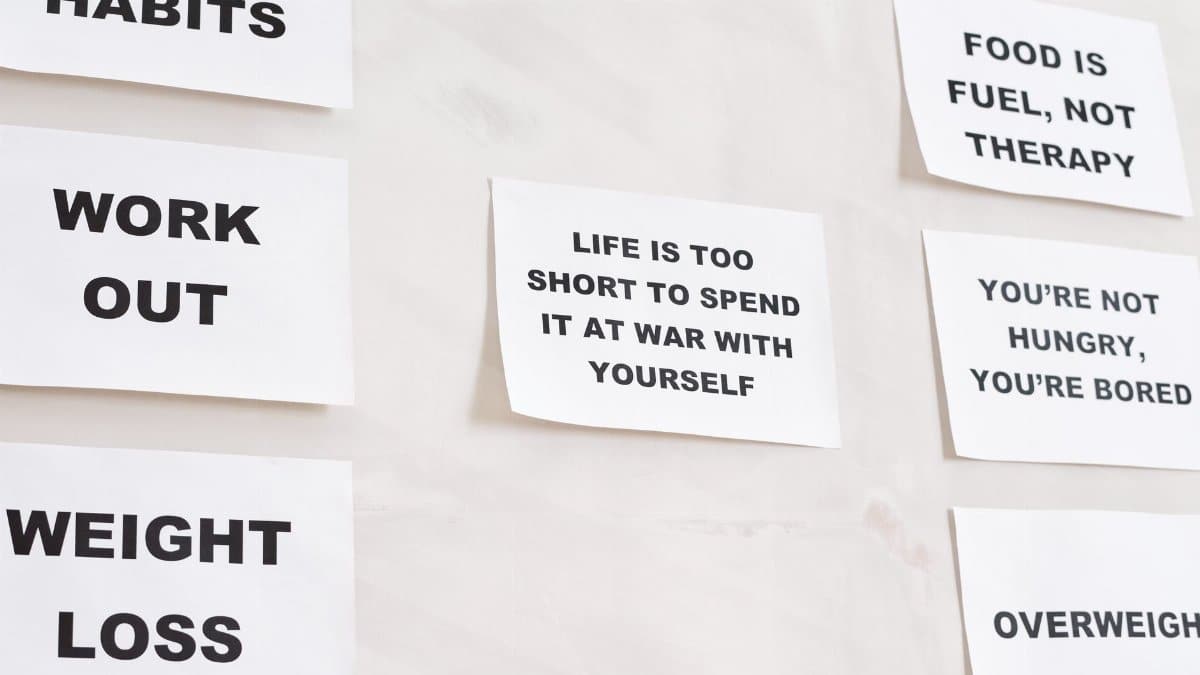
People often find purpose through regular routines such as mentoring younger colleagues or contributing to neighborhood projects. These activities create repeated moments of engagement that researchers believe support neural pathways over many years.
Differences Across Regions and Backgrounds

The protective links appear in samples drawn from urban centers as well as rural communities. Variations exist yet the overall trend points in the same direction regardless of income brackets or prior careers.
Potential Biological Pathways at Work

Scientists propose that sustained purpose may lower chronic stress responses which in turn protects blood vessels supplying the brain. Reduced inflammation could also play a role though more experiments are needed to confirm exact mechanisms.
Practical Steps for Adults in Later Decades

Clinicians sometimes suggest starting with small commitments like joining a reading group or volunteering at a local archive. Over months these choices can evolve into deeper sources of satisfaction that sustain cognitive reserves.
Limitations Within Current Evidence

Most findings rely on self reports of purpose which introduces some uncertainty. Randomized trials remain rare so causal claims require additional careful study before firm recommendations emerge.
Looking Ahead to Policy and Community Roles

As awareness grows some public health programs now incorporate discussions of meaning into wellness workshops for older residents. Early feedback indicates participants value the chance to reflect on what matters most at this stage of life.