

In a brightly lit arena the roar of the crowd blends with the rapid clicks of mechanical keyboards. A young competitor leans toward his monitor eyes locked in concentration while millions watch online. One mistimed decision can end a career or secure a championship. The physical stamina required is immense yet the invisible battle unfolds inside the mind where anxiety self doubt and relentless pressure collide. This is the modern landscape of professional gaming where esports psychologists have emerged as essential allies helping competitors navigate the intense mental demands of a rapidly growing industry.
The Unique Mental Challenges in Competitive Gaming
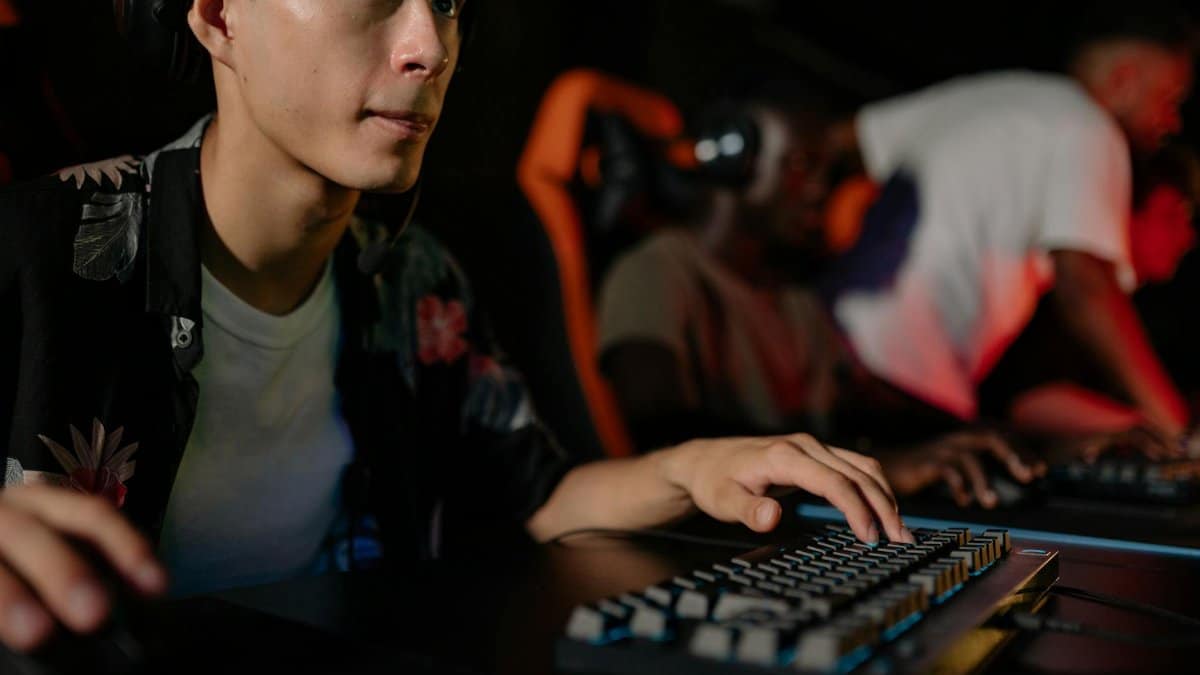
Professional gamers face stressors that differ markedly from those in traditional sports. Matches can last for hours demanding unbroken focus under the glare of live audiences and social media commentary. The reactive nature of gameplay requires split second decisions while the sedentary posture contributes to physical strain that compounds psychological fatigue. Many players report experiencing burnout panic before crucial matches and difficulty processing public criticism. These issues have prompted teams to seek expert guidance from specialists who understand both the human mind and the distinct culture of digital competition.
Unlike conventional athletes who benefit from coaches on the sidelines gamers often compete in isolation even when part of a squad. The absence of immediate physical feedback makes it harder to regulate emotions in real time. Esports psychologists work to bridge this gap by teaching techniques that restore balance and sharpen decision making under duress.
A New Frontier for Psychological Practice

Psychology has long supported Olympic athletes and professional sports teams but its application to gaming represents an evolving specialty. Practitioners in this field combine conventional training with deep knowledge of gaming mechanics and online communities. They study reaction times cognitive load and the effects of sleep disruption caused by irregular tournament schedules.
Many enter the field after witnessing the struggles of talented players who excelled technically but faltered mentally. Their work blends research from sports psychology cognitive behavioral therapy and performance science. This multidisciplinary approach allows them to address the specific ways prolonged screen exposure and competitive toxicity affect mental health.
Core Methods Used by Esports Psychologists
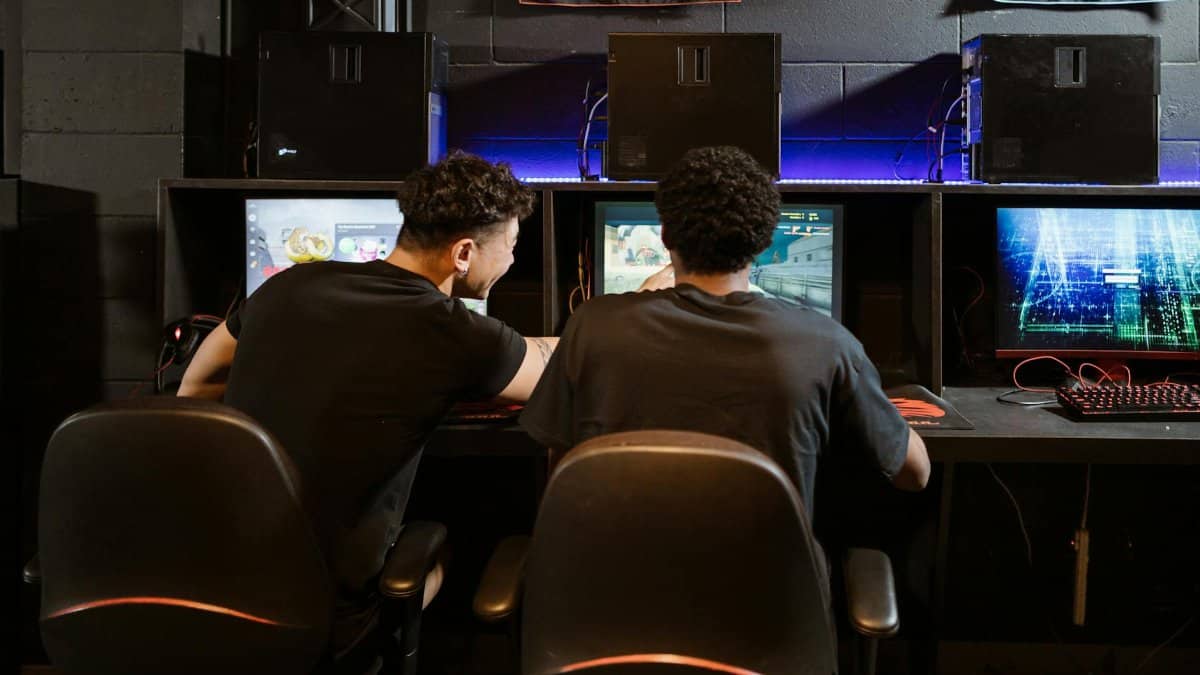
Practitioners employ a range of evidence based tools tailored to the gaming environment. Breathing exercises help calm racing thoughts before matches while visualization techniques allow players to rehearse high pressure scenarios mentally. Cognitive reframing helps competitors view mistakes as data rather than personal failures.
Regular one on one sessions focus on building self awareness and emotional regulation. Some psychologists introduce structured routines that include designated periods for unplugging which many players initially resist but later credit for sustained performance. These methods draw from established research while adapting to the fast paced demands of tournament life.
The Flow State and Its Deeper Dimensions

Achieving total immersion where time seems to slow and actions feel effortless remains the holy grail for competitors. Psychologists help players cultivate this state of complete absorption often described in spiritual traditions as a form of presence or transcendence. Through mindfulness exercises derived from contemplative practices they teach gamers to quiet internal chatter and connect more fully with the present moment.
This intersection of mental training and ancient wisdom resonates with readers seeking meaning beyond material success. Many players describe their best performances as almost mystical experiences where individual ego dissolves into collective team strategy. Esports psychologists guide athletes toward these moments while ensuring they maintain healthy boundaries between game and personal identity.
Real Transformations Behind the Scenes

One prominent North American team saw its win rate increase substantially after incorporating weekly sessions with a licensed psychologist. Players reported improved sleep reduced anxiety and better communication during matches. Another competitor who had considered retiring after a string of poor performances regained confidence through targeted cognitive work and went on to win a major international event.
These accounts illustrate the tangible benefits of mental health support. Psychologists emphasize that their role extends beyond crisis intervention to proactive development of resilience and emotional intelligence. The most successful programs treat psychological conditioning with the same seriousness as mechanical skill practice.
Addressing Stigma Within Gaming Culture
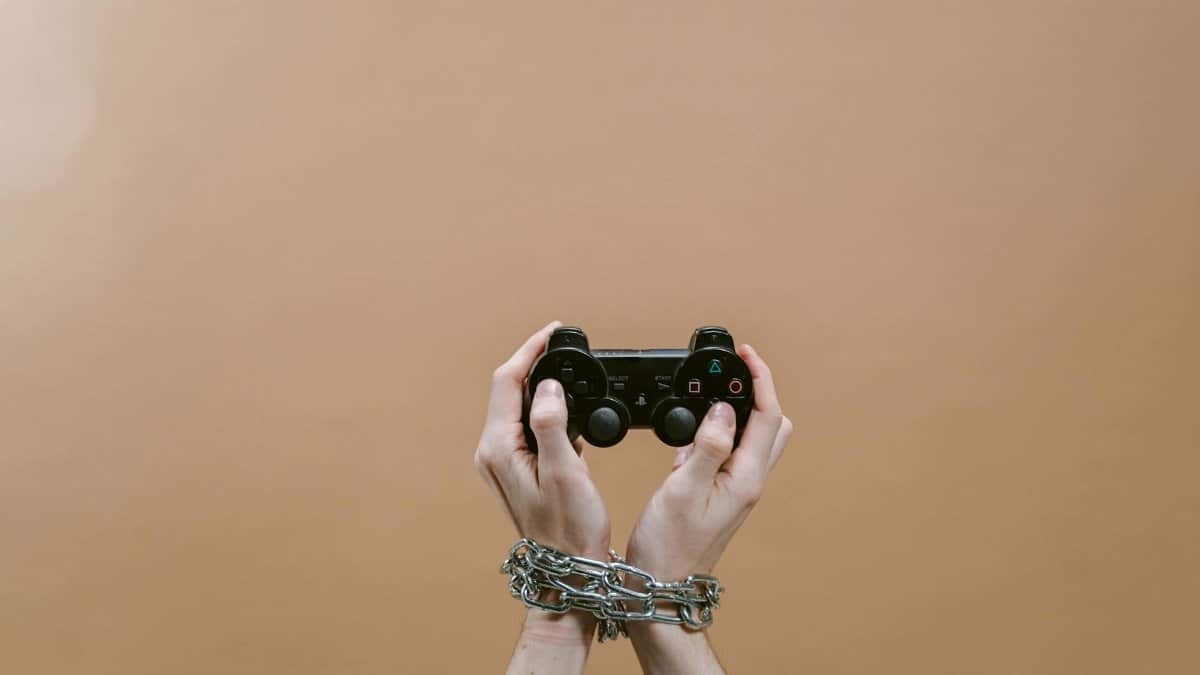
For years the gaming community viewed seeking mental health assistance as a sign of weakness. Harsh online environments and expectations of constant availability made many players reluctant to admit vulnerability. Esports psychologists have worked patiently to shift these attitudes by framing mental training as a performance enhancer rather than an admission of deficiency.
Gradually team owners and coaches have begun advocating openly for psychological resources. This cultural evolution mirrors broader societal progress in discussing emotional wellbeing though gaming still lags behind traditional sports in some respects. The specialists themselves often serve as ambassadors helping normalize these conversations at all levels of play.
Mindfulness Practices Adapted for Digital Athletes
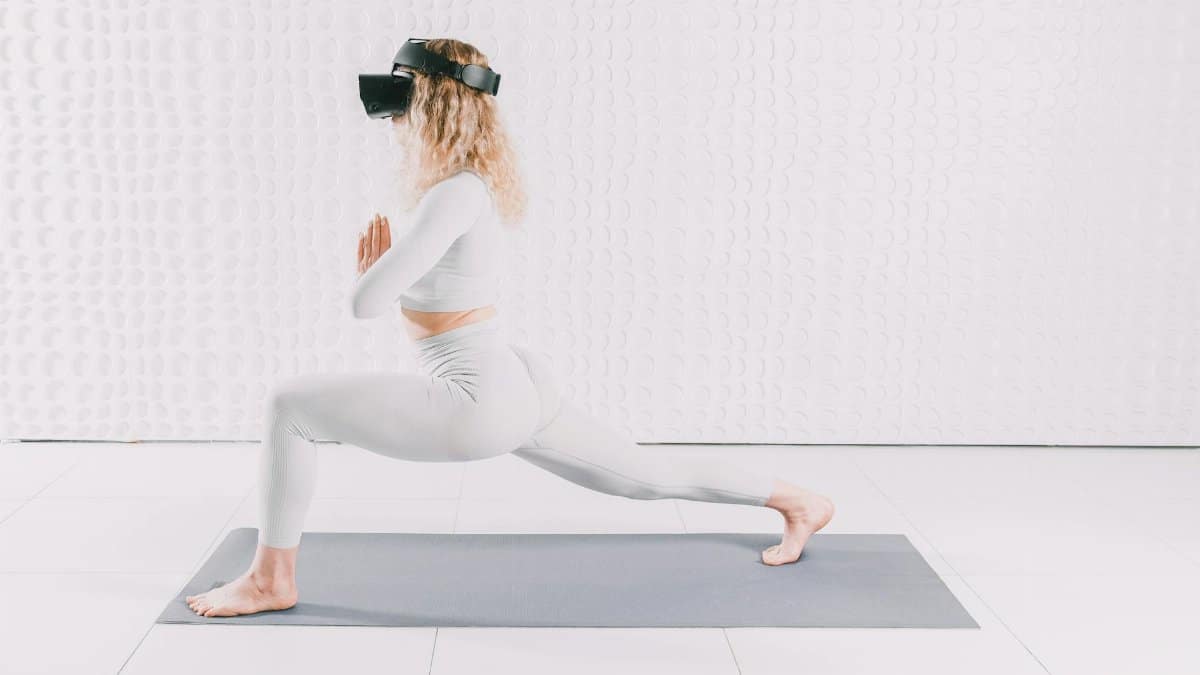
Drawing from contemplative traditions psychologists introduce short mindfulness exercises that fit within gaming schedules. Brief body scans between matches or focused attention training during warm ups help players reset their nervous systems. These practices share roots with meditation techniques studied across spiritual paths yet they are presented in practical terms that appeal to data driven competitors.
Research cited by the American Psychological Association suggests that consistent mindfulness work can reduce cortisol levels and improve attentional control both critical for sustained performance. Players who embrace these methods often report feeling more centered not only in competition but in daily life as well. This broader benefit speaks to the category of spiritual news as technology and inner development converge in unexpected ways.
Impact on Team Dynamics and Organizational Culture

Effective psychologists do more than work with individuals. They help squads develop healthier communication patterns and constructive ways to process defeat. In an industry where roster changes happen frequently building psychological safety becomes essential for long term success.
Forward thinking organizations now include mental performance coaches in their staff alongside analysts and trainers. This holistic approach recognizes that sustainable achievement requires attention to the full spectrum of human needs. The results appear in more stable teams and players who maintain passion for the game rather than succumbing to exhaustion.
Supporting Younger Players and Responsible Development
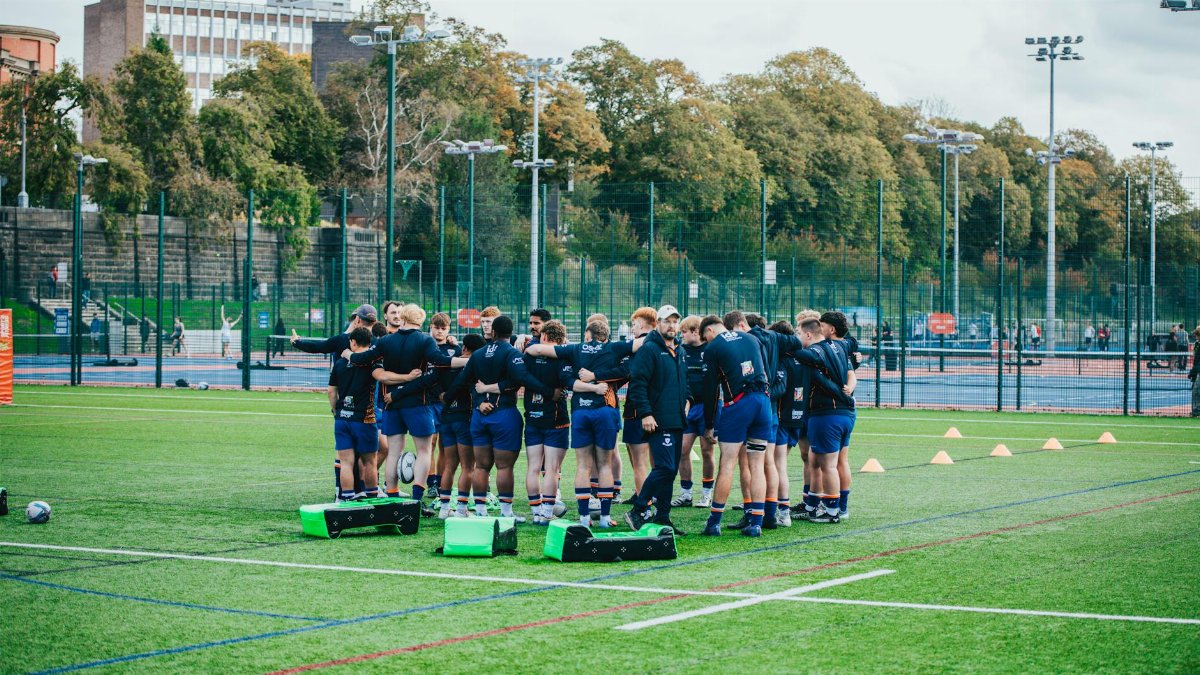
Many professionals begin competing seriously during adolescence when identity formation and mental resilience are still developing. Esports psychologists increasingly focus on this demographic establishing guidelines that protect developing minds while nurturing talent. They collaborate with parents and academies to create balanced schedules that prioritize education and social connection alongside gaming.
This preventive work carries spiritual significance as it concerns the formation of character and values in a digital age. By teaching young competitors self compassion and balance psychologists help shape not only better players but more grounded individuals prepared for life beyond tournaments.
Looking Toward Integrated Future Support
The field continues to mature with calls for standardized training programs and greater collaboration between psychologists and game developers. Some envision wearable technology that provides real time biofeedback during competition while others advocate for stronger partnerships with traditional sports psychology networks.
As viewership numbers climb and prize pools expand the infrastructure for mental health support must keep pace. The most progressive teams already treat psychological services as core rather than optional. This evolution suggests a future where mental and emotional development receives equal emphasis with mechanical proficiency.
Why These Developments Matter Beyond Gaming
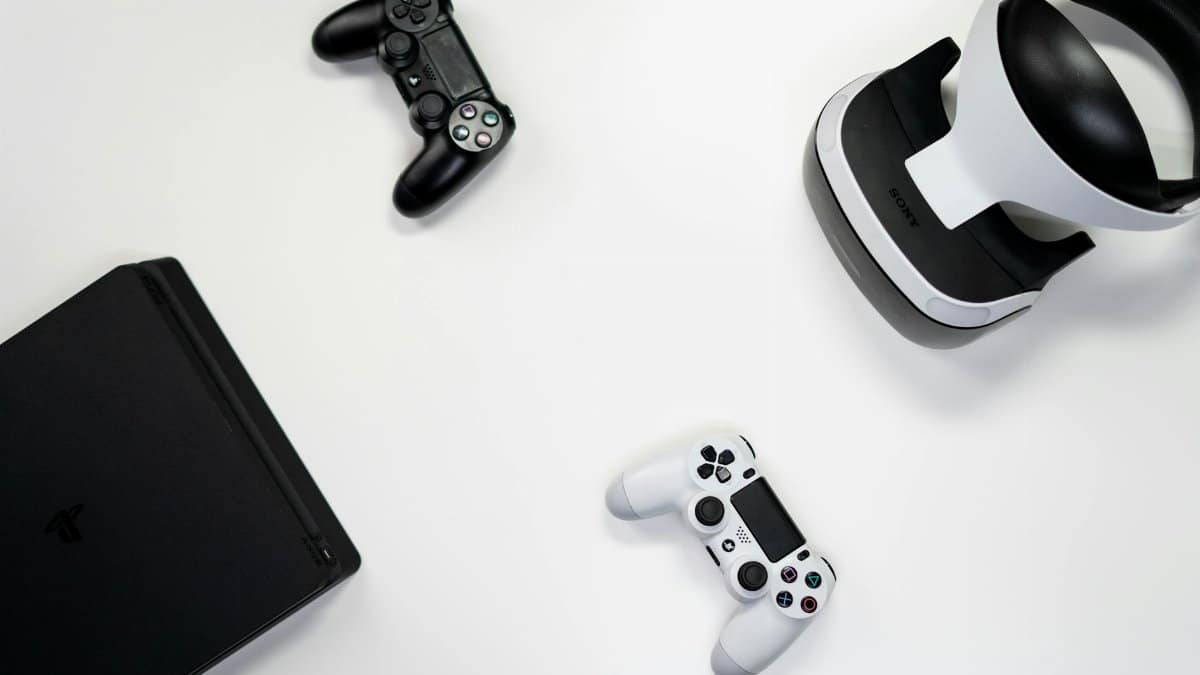
The story of esports psychologists reflects larger questions about technology mental health and human potential in the twenty first century. Lessons learned in this arena about attention management emotional regulation and digital wellbeing apply to many aspects of modern life. For middle aged readers watching children or grandchildren enter these spaces understanding this psychological support system offers valuable perspective.
The integration of contemplative practices and scientific psychology in esports points toward a synthesis that transcends any single industry. It suggests that even in the most competitive technological environments ancient wisdom about the mind retains relevance. As society grapples with attention economies and digital stress the work being done in gaming may illuminate paths forward for us all.
Organizations seeking to learn more about current research can explore resources from the American Psychological Association which has documented the expanding role of mental health professionals in competitive gaming. The quiet work of these specialists reminds us that behind every highlight reel and championship celebration stands a human mind worthy of care and cultivation.