

In living rooms across the country, generations have gathered to watch stories unfold on television screens. These narratives often center on family, with mothers at the heart of the most compelling moments. TV Moms in particular have captured our collective imagination by displaying both remarkable strength and very human vulnerabilities. From the wise counsel of Clair Huxtable to the determined spirit of Lorelai Gilmore, these characters offer a lens through which we can examine our own approaches to parenting and relationships. What emerges is a rich tapestry of lessons about acceptance, resilience, and the power of genuine connection. As we navigate our own family lives, turning to these fictional examples can illuminate paths toward greater understanding and emotional depth.
The Evolution of Maternal Figures on Television
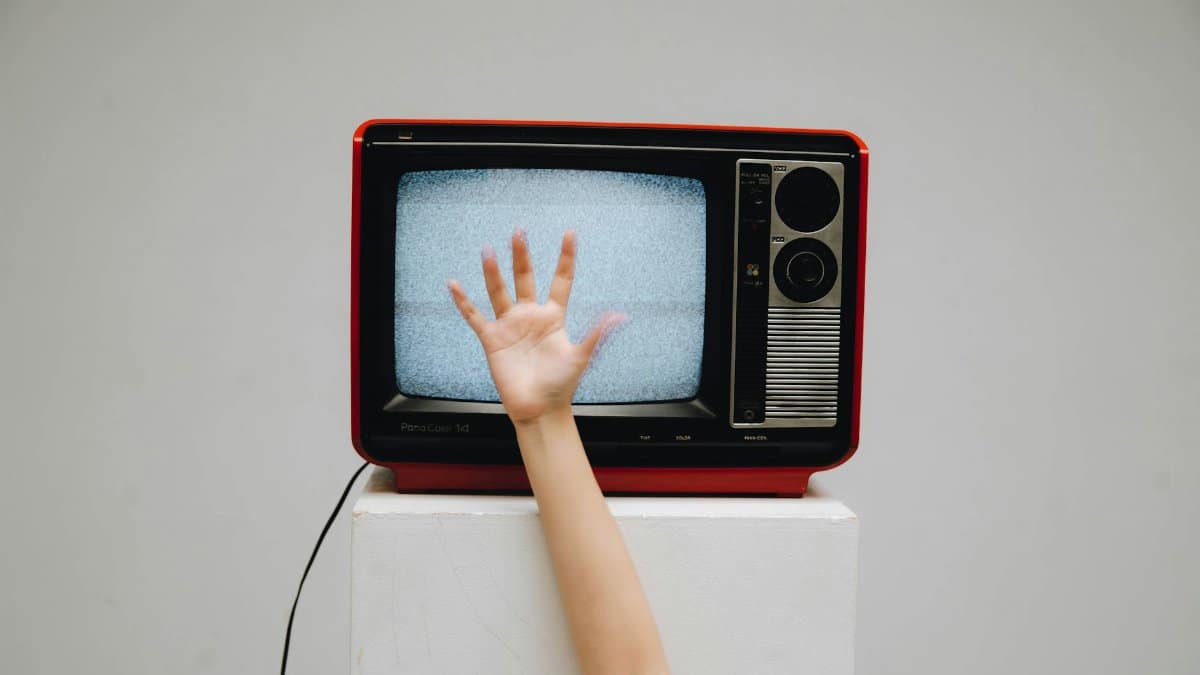
Television portrayals of motherhood have shifted significantly since the medium first entered American homes. Early characters embodied an ideal of seamless domestic management and unwavering cheer. June Cleaver managed crises with poise that few real women could match. As decades passed, writers began crafting more textured roles that reflected changing social realities. The Cosby Show introduced Clair Huxtable, a lawyer and mother who pursued professional excellence while nurturing her children with firm affection. Later series such as Gilmore Girls and Parenthood presented mothers wrestling with financial pressure, career ambition, and the desire to remain close to their children.
This progression mirrors transformations in American family life itself. Middle aged viewers who grew up with these shows often recognize their own mothers in the earlier archetypes and themselves in the later ones. The shift from perfection to authenticity has created space for stories that honor the full spectrum of maternal experience rather than a narrow ideal.
Finding Strength in Admitting Flaws

One of the most valuable gifts these characters offer lies in their willingness to be imperfect. Modern television mothers make mistakes, lose their tempers, and question their choices. Yet they continue showing up for their families. This portrayal challenges the damaging notion that good mothers must maintain constant composure and flawless judgment.
When audiences watch a character apologize after snapping at her child or seek help after realizing she has repeated a harmful pattern, they receive permission to extend similar grace to themselves. The Greater Good Science Center at Berkeley has examined how such depictions can reduce parental self criticism and encourage more compassionate self talk. Their article at https://greatergood.berkeley.edu/article/item/what_eleven_tv_moms_can_teach_all_of_us suggests that witnessing realistic maternal struggle helps viewers develop healthier perspectives on their own parenting journey.
For many in midlife, this message arrives at precisely the right time. Raising adolescents or launching young adults brings fresh opportunities to model growth by admitting errors openly rather than pretending perfection.
Teaching Emotional Intelligence Through Example

Television mothers frequently demonstrate emotional intelligence in ways that feel instructive without becoming preachy. They name feelings, repair ruptures, and help their children understand the internal experiences driving behavior. These moments offer templates for conversations many parents wish they had learned earlier in life.
Consider how certain characters pause during heated exchanges to ask what their child is actually feeling beneath the anger or defiance. Such modeling proves especially relevant today when mental health professionals emphasize the long term benefits of emotional awareness. Parents who watched these shows with their own children often found themselves discussing similar situations afterward, turning entertainment into unexpected opportunities for connection.
This focus on emotional intelligence aligns with growing cultural interest in practices that deepen family relationships. Rather than simply reacting to surface behavior, these mothers demonstrate the value of curiosity about the emotional lives happening beneath it.
The Quiet Power of Consistent Presence

Amid storylines filled with dramatic crises, the most moving scenes often depict simple presence. A mother sitting beside her child during a difficult moment, offering listening without immediate solutions, carries surprising weight. These instances remind viewers that consistent availability matters more than grand gestures or perfect advice.
Many middle aged adults recall their own parents working long hours or struggling with unaddressed personal challenges. Watching characters who choose to remain emotionally available despite competing demands can stir both recognition and resolve. The spiritual dimension emerges here in the sacred quality of undivided attention given to another person.
Presence requires setting aside distractions and truly seeing the family member before us. Television mothers who practice this teach that such moments accumulate into the foundation of secure attachment and lasting trust.
Navigating Moral Complexity With Grace

Some of the most memorable television mothers face impossible choices where no option feels entirely right. They weigh competing values, protect their children, and try to live with integrity in gray areas. These storylines move beyond simplistic morality tales into territory that feels authentically human.
Viewers witness these women seeking wisdom from friends, reflecting on past experiences, and sometimes changing course when new information emerges. The process itself becomes instructive. It suggests that moral life consists not in avoiding all error but in remaining open to growth and reconciliation.
This portrayal resonates with spiritual traditions that emphasize compassion over rigid judgment. By watching mothers extend forgiveness to themselves and others, audiences may find encouragement to do the same within their own family systems where old resentments sometimes linger.
Fostering Connection in Unexpected Ways

Television mothers often build connection through shared activities that seem ordinary on the surface. Cooking together, working on projects, or simply sitting in comfortable silence creates space for conversation to unfold naturally. These scenes capture a truth many parents discover through experience: connection cannot be forced through intense questioning but often emerges during parallel activity.
One particularly effective approach shown on screen involves mothers revealing appropriate vulnerability. When a character shares her own struggles at the right developmental moment, she transforms from distant authority figure into fellow traveler. This shift frequently deepens the relationship in lasting ways.
For those raising teenagers or young adults, such examples prove especially useful. They demonstrate that maintaining connection during years of rapid change requires flexibility, humor, and willingness to learn alongside our children rather than always positioning ourselves as the expert.
Drawing Spiritual Lessons From Fictional Lives

Beneath the entertainment value, these characters frequently illustrate spiritual principles without announcing them. Practices such as beginning again after failure, practicing radical acceptance of personality differences, and finding meaning in ordinary days appear throughout their stories. The spiritual news of our time includes renewed interest in applying ancient wisdom to contemporary family challenges, and television mothers sometimes serve as unexpected teachers.
Many characters display a form of contemplative presence when they set aside their own agenda to truly hear another person. Others demonstrate the power of ritual, whether through family dinners, holiday traditions, or simple bedtime routines that anchor relationships. These elements suggest that spirituality in family life often expresses itself through consistent, loving attention rather than dramatic conversion moments.
The category of spiritual trends today includes many people seeking deeper connection within existing relationships rather than pursuing solitary enlightenment. Television mothers modeling this search within the chaos of family life offer both validation and practical inspiration.
Integrating These Insights Into Daily Family Life

The true test of any media inspired wisdom comes in its application to real households where laundry piles up and schedules conflict. Viewers can borrow selectively from these characters without trying to replicate their circumstances. Small adjustments, such as implementing regular family meetings or committing to device free meals, can create space for the kinds of conversations these mothers facilitate on screen.
Parents might also examine their own expectations about maternal performance. If a television character earns love despite visible flaws, perhaps real mothers can release the burden of constant competence. This shift often frees energy for more authentic engagement with partners and children.
Support networks remain essential. Just as many television mothers turn to friends or mentors during difficult seasons, real life parents benefit from communities where they can speak honestly about their struggles. The combination of on screen examples and off screen relationships creates a powerful framework for growth.
Why These Stories Continue to Resonate

Popular television mothers endure in cultural memory because they reflect fundamental human longings for belonging, acceptance, and purpose within family systems. Their stories reassure us that love persists through conflict, that repair is always possible, and that imperfection does not disqualify us from meaningful connection.
As viewers reach middle age, many find themselves reflecting on both the mothering they received and the mothering they have offered. These characters provide compassionate companions for that reflection. They demonstrate that the work of relationship building continues across decades and that new chapters of understanding remain available even after children have grown.
Ultimately, the most profound lesson may be that motherhood, like all deep human connections, involves showing up as our authentic selves and trusting that this is enough. In an age of curated social media images and intense performance pressure, television mothers who refuse to hide their struggles offer a countercultural message of liberation and hope.