
**Fear of Separation Is Reshaping Latino Families – Community Strategies for Support and Belonging**
In the early hours before school bells ring across Southern California neighborhoods, certain parents rehearse emergency plans with their children. They practice what to say, where to go, and whom to call if one day a parent does not return home. These conversations, once rare, have become routine for thousands of households navigating an atmosphere of heightened immigration enforcement. The emotional weight of possible family separation now influences decisions that once seemed straightforward: whether to seek medical care, accept a promotion that requires travel, or even attend a neighborhood gathering.
This climate of uncertainty is profoundly reshaping Latino Families. What begins as individual worry ripples outward, altering parenting approaches, community participation, and long term emotional health. Research from the Greater Good Science Center at UC Berkeley documents how this fear correlates with increased anxiety, disrupted family communication, and diminished trust in institutions. Yet alongside the strain, new forms of solidarity are emerging through faith communities, cultural networks, and local organizations determined to replace fear with belonging.
**The Persistent Shadow of Uncertainty**
Daily life for many Latino families now includes calculated risks. A trip to the grocery store, a visit to the pediatrician, or attendance at a parent teacher conference can trigger genuine concern about encounters with immigration authorities. This sustained vigilance creates what psychologists term anticipatory stress, a condition that keeps the body in a prolonged state of alert even when no immediate threat exists.
Parents report changing their driving routes, avoiding certain public spaces, and limiting social media posts that might reveal their location or status. These adaptations, while rational responses to real policy shifts, extract a significant psychological toll. The Berkeley study highlights how this constant calculation leaves less mental energy for career development, creative pursuits, or simply being present with children.
**How Fear Alters Parenting Practices**
The protective instinct common to all parents takes on new dimensions when deportation becomes a plausible threat. Some mothers and fathers grow more restrictive, keeping teenagers close to home rather than encouraging independence. Others adopt the opposite approach, pushing children to achieve academic excellence as a form of insurance against future instability.
Research shows these shifts affect everything from bedtime routines to discipline styles. Playdates decrease. Family outings to parks or beaches become less frequent. The spontaneous joy that once characterized many Latino households can be dampened by an undercurrent of caution that children sense even when not explicitly told the reasons.
**Children Absorbing Adult Anxiety**
Young people in these families often internalize the tension without fully understanding its source. Teachers across the Southwest report increased absenteeism, concentration difficulties, and unexplained stomach aches among students from immigrant backgrounds. Some children develop hyper vigilance, scanning crowds for uniforms or becoming distressed when parents are even a few minutes late for pickup.
Adolescents face particular challenges as they balance typical teenage identity formation with fears about their parents legal vulnerability. The result can be premature maturity, where teens assume adult emotional roles within the household or feel pressure to remain silent about family circumstances to avoid drawing attention.
**Faith Communities as Emotional Infrastructure**
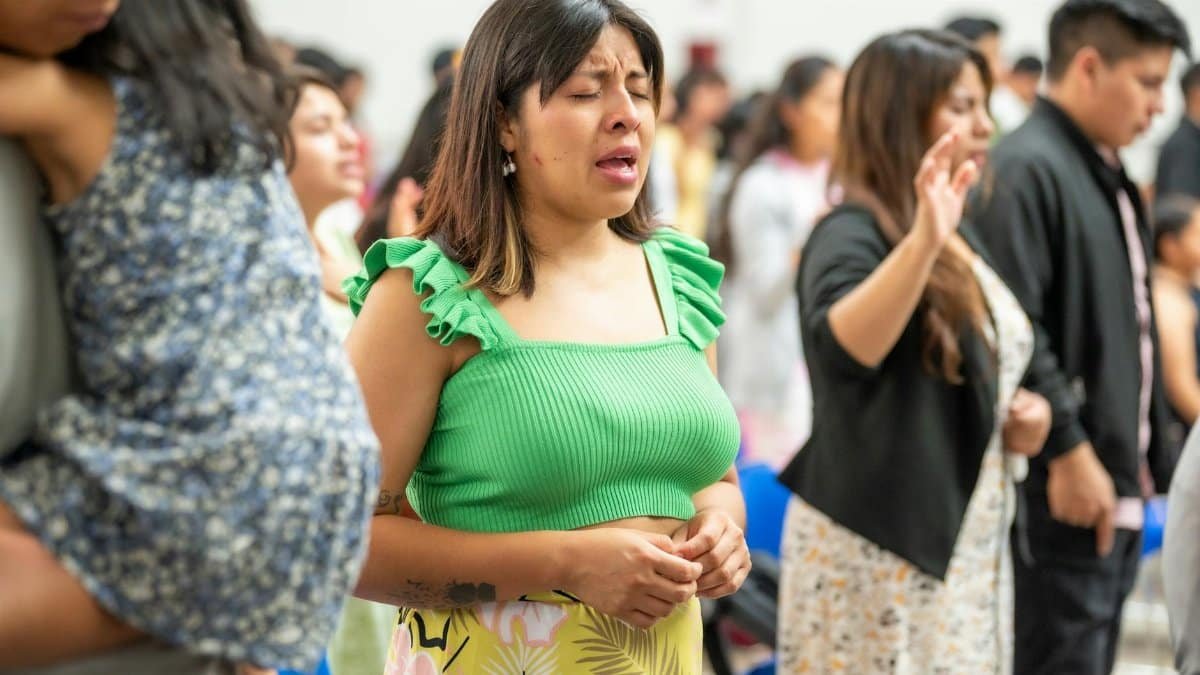
Churches, temples, and spiritual centers have emerged as critical stabilizing forces. Many Latino families draw strength from religious traditions that emphasize divine accompaniment through trials. Pastors report increased attendance at prayer services specifically focused on family unity and protection.
These congregations offer more than spiritual comfort. They function as information hubs, legal referral networks, and safe gathering spaces where families can speak openly without fear of judgment or exposure. The familiar rhythms of worship, music, and shared meals create pockets of normalcy in otherwise uncertain lives. Spiritual leaders increasingly receive training in trauma informed care to better serve their members.
**Cultural Traditions That Build Resilience**
Beyond formal religion, longstanding cultural practices provide powerful antidotes to isolation. Extended family networks, though sometimes strained by distance or documentation differences, continue to offer practical and emotional support. Grandmothers tell stories of ancestral perseverance that frame current difficulties within a larger narrative of endurance.
Food centered gatherings, music, and holiday observances take on renewed importance. These rituals remind participants of their connections to something larger than present circumstances. The Berkeley researchers noted that families who maintain strong cultural ties show better psychological outcomes despite facing similar external pressures.
**Community Organizations Creating Safety Nets**
Local nonprofits have developed innovative responses to the challenges facing Latino families. Some offer know your rights workshops in partnership with legal experts. Others provide mental health services in culturally competent settings where Spanish speakers feel understood. A growing number of programs focus on helping U.S. citizen children maintain strong relationships with parents who may face removal proceedings.
These organizations emphasize empowerment rather than victimhood. They teach advocacy skills, facilitate peer support groups, and work to connect isolated families with resources. Success stories circulate through community networks, demonstrating that collective action can mitigate some effects of larger policy forces.
**The Economic Ripple Effects**
Fear of separation carries concrete financial consequences. Parents may decline better paying jobs if those positions require background checks or travel across county lines. Mixed status families sometimes forgo public benefits for which citizen children qualify, fearing any government interaction.
This economic caution affects housing choices, educational opportunities, and health care access. Over time these individual decisions shape neighborhood demographics and local economies. Communities with high concentrations of fearful families may see reduced participation in parent teacher associations, small business formation, and civic activities that strengthen social fabric.
**Educational Institutions Adapting**
Schools find themselves on the front lines of this phenomenon. Many districts now train staff to recognize signs of trauma related to immigration fears. Some have established rapid response protocols for when family members are detained. Counselors work to create classroom environments where students feel secure enough to learn.
Certain schools partner with community organizations to offer after school programs that provide both academic support and emotional safety. These initiatives recognize that children cannot focus on algebra or literature when they worry about arriving home to an empty house. The most effective programs involve parents as partners whenever possible, reinforcing family bonds rather than replacing them.
**Stories of Adaptation and Hope**
Despite considerable obstacles, many Latino families demonstrate remarkable creativity in maintaining connection and purpose. Some create family memory books containing stories, photographs, and messages for children in case separation occurs. Others establish communication protocols using coded language that allows contact even under restrictive circumstances.
Community leaders point to these examples as evidence of human resilience. A father in Phoenix teaches his sons traditional woodworking skills not only to preserve culture but to give them tangible connections to their heritage regardless of future geographic separation. A mother in Denver organizes monthly gatherings for other women facing similar fears, transforming private anxiety into shared strength.
**Practical Steps for Broader Support**
Individuals outside these communities can contribute meaningfully to solutions. Educating oneself about immigration policy complexities represents a first step. Supporting organizations that provide legal aid and mental health services makes a direct difference. Advocating for policies that prioritize family unity aligns with widely held American values.
Small gestures also matter. Welcoming immigrant families into neighborhood activities, ensuring schools remain safe spaces, and simply listening without judgment can reduce the isolation that amplifies fear. When communities actively demonstrate belonging, the emotional burden on Latino families eases.
**Toward Greater Security and Belonging**
The fear of separation continues to influence Latino families across the country, yet it has not defined them completely. Their responses reveal deep reservoirs of creativity, faith, and mutual care that deserve recognition and support. As communities seek ways to address the underlying causes of this anxiety, the most effective approaches honor both the dignity of immigrant families and the legitimate concerns of citizens.
The path forward requires honest conversation about security, compassion, and what kind of society Americans wish to create. By strengthening the networks of support already emerging within Latino families and their allies, the nation can move toward a future where fear no longer dictates the rhythms of daily life. The resilience these families demonstrate offers lessons for everyone navigating uncertainty in rapidly changing times.
(Word count: 1,237)
**Sources:**
– Greater Good Science Center, UC Berkeley: https://greatergood.berkeley.edu/article/item/how_fear_of_separation_is_reshaping_latino_families_and_what_communities_can_do
– American Psychological Association reports on immigration enforcement and family mental health
– Pew Research Center studies on Latino community resilience and religious participation