
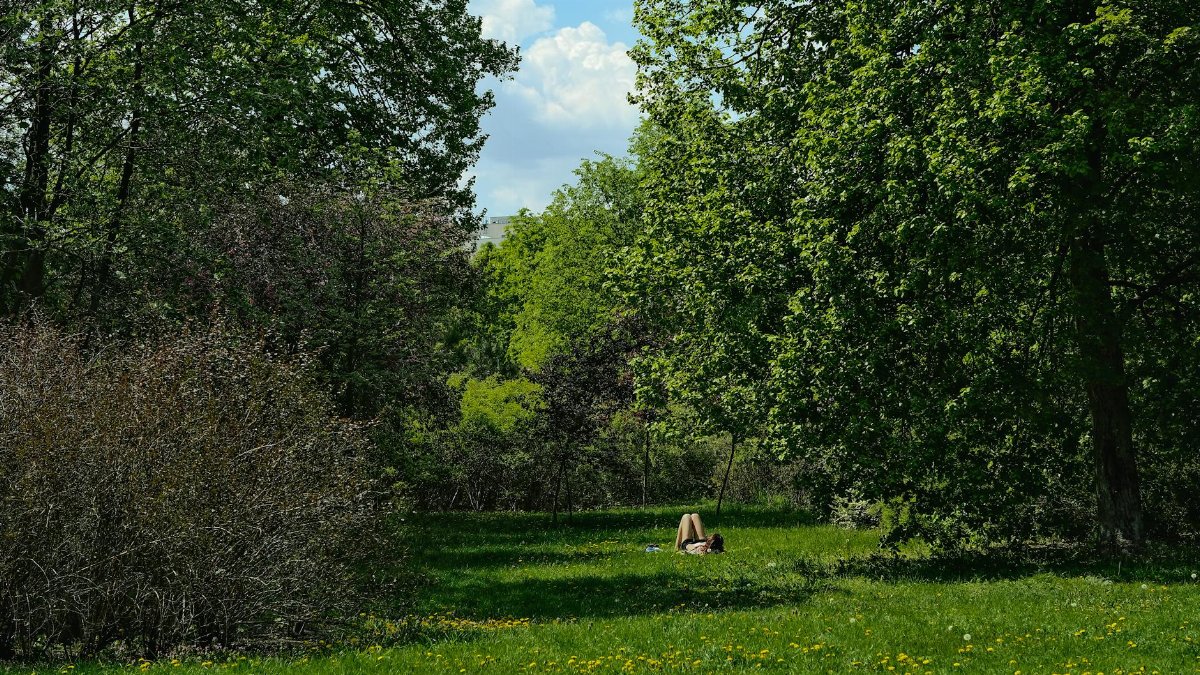
A quiet walk among trees and grass might accomplish what hours of seated meditation sometimes cannot. New research from Britain indicates that Green Spaces have the power to shift brain activity into patterns that closely resemble those found in meditative states. The study offers fresh insight into why so many people report feeling calmer and more centered after spending time outdoors in natural settings.
This discovery arrives at a meaningful moment. Mental health concerns continue to rise across the United States with middle aged adults often carrying heavy loads of professional demands and family obligations. The findings present a compelling case that time in nature delivers more than pleasant scenery. It creates measurable changes in how the brain operates.
Researchers equipped participants with mobile electroencephalography devices that captured brain activity in real time. What they observed challenges conventional assumptions about where and how we find peace of mind.
What the British Study Discovered

The research team primarily from the University of Exeter monitored dozens of volunteers as they walked through both parkland and busy city streets. In natural surroundings the participants brains produced stronger alpha wave patterns. These waves signal a state of relaxed alertness that mirrors what experienced meditators achieve after years of practice.
Lead author Dr. Mathew White and his colleagues published their results in the journal Scientific Reports. The data showed a clear distinction. Urban walking generated more beta waves associated with focused attention and mild stress. By contrast green areas encouraged the brain to settle into a gentler rhythm. You can read the full report here at Mindful.org.
Perhaps most striking was the speed of the effect. Within minutes of entering a green area many participants displayed brain activity consistent with meditation. The study controlled for physical activity so the difference stemmed from the environment itself rather than the act of walking.
Understanding the Meditative State

Meditation teachers have long described a mental condition of open awareness without judgment. Modern neuroscience can now observe this state through brain imaging. Alpha waves rise while default mode network activity softens. The British study found that Green Spaces trigger these same neurological shifts without any formal training.
This matters for ordinary people who struggle to maintain a consistent meditation practice. Many middle aged readers understand the benefits of mindfulness yet find it difficult to carve out twenty minutes daily. Nature appears to offer a shortcut. The landscape itself guides the mind toward presence.
Scientists note that this meditative mode supports emotional regulation and creative thinking. When the brain slows down in this particular way it becomes better at processing emotions and forming new perspectives on personal challenges.
How Nature Restores the Mind
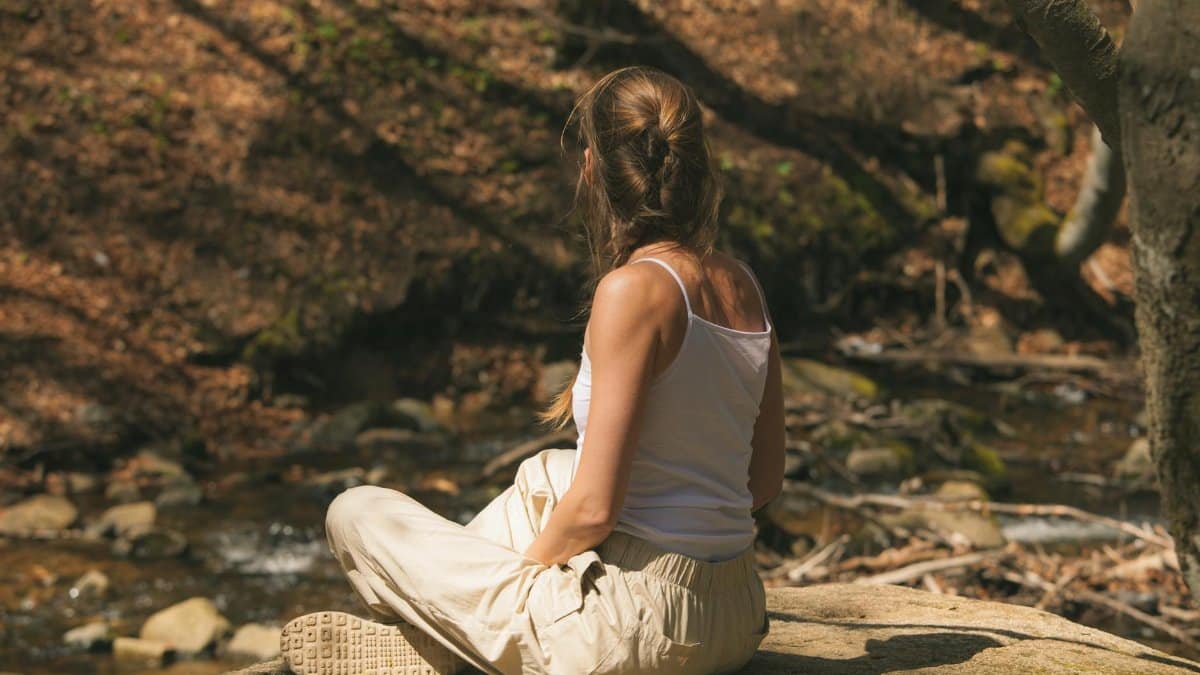
Environmental psychologists have documented nature contact as a form of mental restoration for decades. Attention restoration theory suggests that natural scenes engage our attention softly allowing directed focus to recover. The new British data adds a layer by showing the precise brain wave signature of that restoration.
Participants reported lower anxiety and greater calm after their green walks. More importantly their brains told the same story. This alignment between subjective experience and objective measurement strengthens the case for spending time outdoors as a legitimate wellness strategy.
For those navigating midlife transitions such as career changes empty nest adjustments or health concerns these findings provide practical encouragement. A local park or tree lined neighborhood path may function as an accessible sanctuary.
Green Spaces in the Urban Landscape
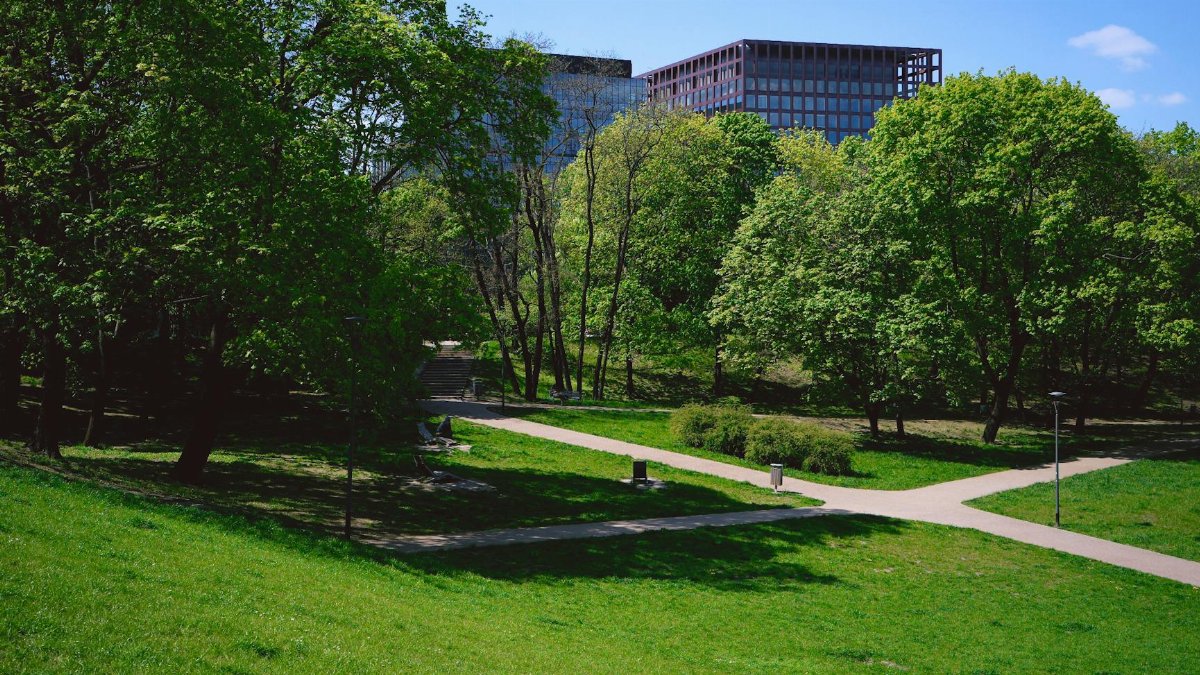
Most Americans live in metropolitan regions where concrete often dominates the view. The study highlights what city planners have begun to recognize. Preserving and expanding accessible natural areas delivers direct neurological benefits to residents.
Cities like Seattle and Minneapolis have invested in extensive park systems with measurable returns in public health data. The British findings suggest these investments affect brain function in ways previously difficult to quantify. Even small patches of greenery such as community gardens or riverfront trails can make a difference.
The research also raises equity questions. Not every neighborhood enjoys equal access to quality green areas. Addressing these disparities could become an important component of mental health policy in coming years.
Everyday Practices for Greater Connection

Translating the research into daily life requires no special equipment. Simple adjustments yield results. One recommendation involves mindful walking. Rather than listening to podcasts or making calls during a lunch break try moving through a green area with full attention on the senses.
Notice the quality of light filtering through leaves. Feel the ground beneath your feet. Listen to birdsong or wind. These acts of presence amplify the brains natural response to the setting. Many people discover that twenty minutes produces effects that linger for hours.
Gardening offers another pathway. The combination of gentle physical activity and direct contact with soil and plants appears to enhance the meditative qualities identified in the study. Even tending houseplants or visiting a botanical garden can provide meaningful exposure when larger outdoor spaces are unavailable.
Perspectives from Leading Researchers

Environmental psychologist Dr. Rachel Kaplan who helped develop attention restoration theory views the British study as confirmation of long held observations. In correspondence she noted that humans evolved in natural environments and our brains still respond powerfully to those cues.
Neuroscientist Dr. David Strayer from the University of Utah has conducted related work on wilderness backpacking and creativity. His research shows that several days in nature measurably improves problem solving. The newer study demonstrates that even brief excursions create noticeable shifts.
These experts emphasize consistency. Regular contact with nature compounds the benefits in much the same way that regular meditation practice deepens over months and years.
The Broader Implications for Public Health

Health officials face mounting pressure to address rising rates of anxiety depression and burnout. The British research suggests that urban greening initiatives deserve consideration alongside traditional medical approaches. Doctors might eventually prescribe park visits with the same seriousness they recommend physical exercise.
Workplace wellness programs could incorporate nature breaks more deliberately. Some forward thinking companies already maintain on site gardens or organize group walks in nearby parks. The neurological data provides fresh justification for these practices.
Schools represent another opportunity. Children who regularly spend time in green environments show improved attention and emotional balance. Introducing these patterns early could help future generations manage stress more effectively.
Creating a More Mindful Society

The study invites a larger cultural conversation about how we design our communities and schedules. Rather than treating nature as mere decoration we might view it as essential infrastructure for psychological health.
Urban designers are exploring concepts like biophilic architecture that incorporates natural elements into buildings themselves. Rooftop gardens living walls and interior plants all contribute to the overall effect. The goal is to surround people with subtle reminders of the living world even in dense city cores.
Policy makers could use this evidence to justify protecting existing green areas from development and creating new ones in underserved neighborhoods. The return on investment appears substantial when mental health outcomes are factored into the equation.
Embracing the Spiritual Side of Nature
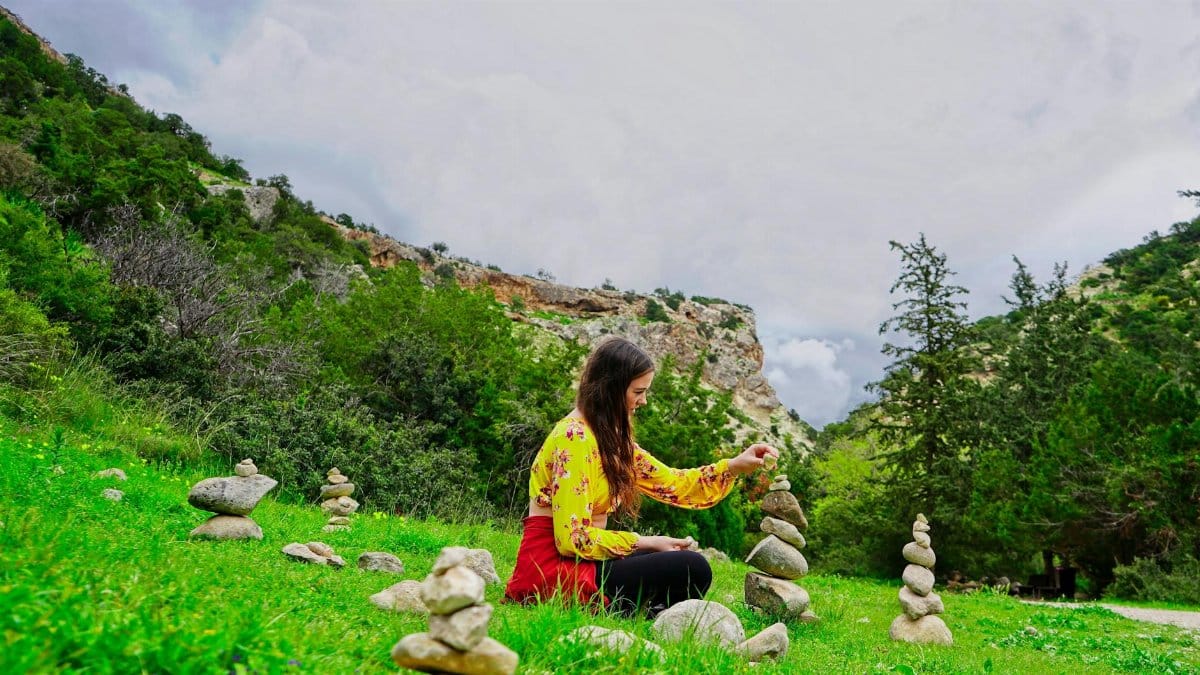
Beyond the measurable brain waves many people experience something deeper during these encounters. A sense of connection to something larger than the self often emerges. This feeling of awe and belonging has been described across spiritual traditions for centuries.
The British study offers a scientific window into an experience that mystics and poets have articulated for generations. When the brain enters its meditative rhythm in nature the usual chatter of daily concerns recedes. In that spaciousness many report feeling more attuned to questions of meaning and purpose.
This dimension resonates particularly with readers exploring spirituality outside formal religious structures. Nature serves as both cathedral and teacher inviting reflection without dogma. The research validates what many have sensed intuitively. Time in the natural world feeds the soul as well as the mind.
The British study reminds us that solutions to modern overwhelm may lie in reconnecting with something ancient. Our brains appear wired to respond to Green Spaces with profound shifts toward calm and clarity. In an age of constant digital demands these findings feel both timely and deeply reassuring.
Perhaps the most practical takeaway is also the simplest. The nearest park or woodland trail may hold more restorative power than we realized. Stepping outside is no longer just a pleasant option. It emerges as a scientifically supported practice for mental and spiritual wellbeing that remains available to most of us if only we choose to use it.