
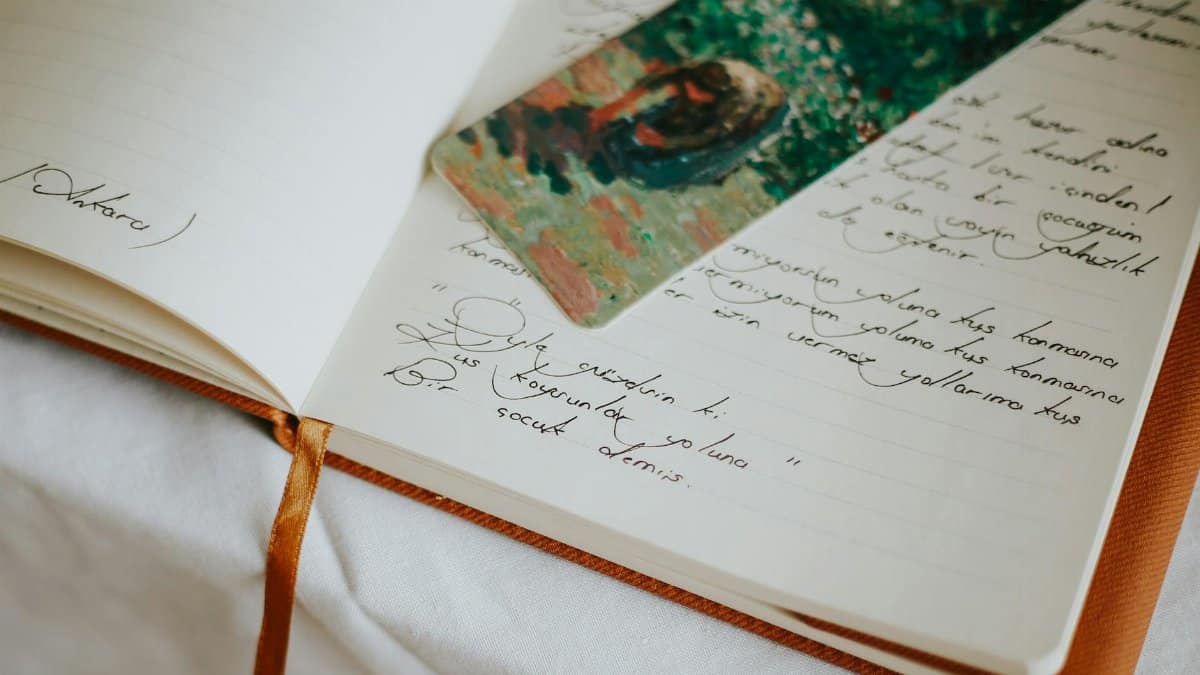
The kitchen table held a single notebook and pen one rainy Tuesday afternoon when a man in his fifties decided to experiment with something new. He had read about the benefits of distilling thoughts into short verses and felt drawn to try. What started as curiosity quickly evolved into a meaningful routine. Writing Poetry in this focused way allowed him to access emotions that had remained buried under layers of responsibility and routine. He found himself noticing the steam rising from his coffee cup in a way that felt entirely fresh. That attention to detail soon extended beyond the page influencing how he approached conversations with his spouse and moments with his grandchildren. The practice revealed an unexpected capacity for presence and wonder that had been dormant for decades.
This experience reflects a broader pattern among middle aged adults seeking accessible pathways to creativity and emotional health. In an era filled with digital distractions and constant productivity demands many are turning to simple artistic forms that require minimal time yet deliver significant impact. The act of composing a few lines encourages mindfulness and self reflection without the intimidation of larger projects. Experts in creative wellness note that such practices can foster resilience and a renewed sense of vitality. As more people discover these methods the conversation around mental and spiritual well being continues to evolve.
A Gateway To Emotional Awareness

Short poetry strips away pretense and brings practitioners into direct contact with their feelings. When limited to three lines the writer cannot hide behind elaborate language or narrative detours. Every syllable counts. This economy creates a mirror that reflects inner states with startling clarity. A person might begin by describing rain on the window and end up articulating a long ignored grief or a quiet gratitude that had gone unnamed for years.
Middle aged readers often carry accumulated emotional weight from careers family pressures and personal disappointments. The brevity of this exercise allows them to touch those layers without becoming overwhelmed. One woman described how writing about the sound of her teakettle whistling helped her acknowledge anxiety she had been carrying since her children left home. The poem did not solve her concerns but it opened space for her to meet them honestly. Over weeks she noticed her capacity for tenderness toward herself and others expanding. What begins as observation of the outer world frequently leads to compassion for the inner one.
This heart opening quality appears consistently across many accounts. The form invites gentleness rather than analysis. Instead of asking why one feels a certain way the practice simply records the feeling as it exists in the moment. That acceptance itself becomes healing.
Embracing Creative Limitations

Creative blocks often stem from the fear of not being good enough or not having enough to say. The demand for three lines dismantles both worries at once. There is simply not enough space to fail grandly. This removes performance pressure and replaces it with playful curiosity. Writers discover that constraints can spark rather than stifle imagination.
Artists and psychologists have long understood that limits can fuel innovation. When the canvas shrinks the mind works harder to fill it meaningfully. In the case of short poetry the mind turns toward sensory details the slant of light across a wooden floor the particular shade of blue in a childrens eyes or the way silence feels after an argument. These small observations accumulate into a richer creative life that extends far beyond the notebook.
Many participants report that their capacity for problem solving at work improves after they adopt this habit. The same mental muscles exercised in finding the perfect word for a poem seem to strengthen flexible thinking in other domains. Creativity stops feeling like a rare visitor and starts to feel like a reliable companion.
Lessons From Traditional Haiku
The three line form draws deeply from haiku a tradition that has guided attention for centuries. Classical haiku writers sought to capture a fleeting moment in nature while suggesting larger truths about existence. Contemporary practitioners adapt this spirit to modern life without necessarily following strict syllable counts.
The enduring power of haiku lies in its insistence on presence. One cannot write about the exact quality of frost on a car windshield while mentally rehearsing tomorrow mornings meeting. The practice demands full attention to what is happening now. This quality makes it a form of secular meditation accessible to those who might feel intimidated by traditional sitting practices.
Western writers have found that the spirit of haiku translates beautifully across cultures. The emphasis remains on direct experience rather than intellectual commentary. By focusing on concrete images the poet leaves room for the reader to supply emotional resonance. This collaborative quality between writer and reader creates connection even when the poem is never shared.
Real Life Experiences Of Renewal
Stories of transformation through this practice appear repeatedly in workshops and online communities. A retired engineer began writing daily verses after his wife passed away. What started as a way to endure grief became a pathway back to joy. His poems moved from describing emptiness to noticing small beauties again the pattern of leaves against the sky the taste of a perfectly ripe peach.
A corporate lawyer facing burnout found that ten minutes of morning composition helped her reconnect with values she had set aside during her rise through the ranks. Her poems became quiet acts of rebellion against a life defined solely by billable hours. Within a year she had reduced her workload and begun volunteering with an arts program for at risk youth.
These accounts share common threads. Participants describe feeling more alive more curious and more compassionate after establishing the habit. The changes often surprise them because the practice seems too small to create such large effects. Yet the consistency of small acts proves more powerful than occasional grand gestures.
Incorporating Poetry Into Routine

The beauty of this approach lies in its portability. No special room or expensive supplies are required. A phone note application works as well as a handmade journal. Many practitioners write during morning coffee or while waiting in carpool lines. The low barrier to entry allows the habit to take root even in crowded schedules.
Some keep a small notebook in a pocket or purse. Others set a daily alarm as a reminder to pause and notice. The key seems to be consistency rather than duration. Three lines written with full attention create more impact than pages composed distractedly. Over time the practice reshapes perception so that potential poem material appears throughout the day.
Busy professionals report that this micro habit provides a sense of accomplishment that carries into other tasks. Unlike checking email or attending meetings the act of creation generates energy rather than depleting it. The practice becomes a renewable resource for emotional and creative resilience.
Insights From Psychological Studies

Research supports what practitioners have experienced intuitively. Expressive writing has been shown to improve both mental and physical health markers. A landmark investigation by psychologist James Pennebaker demonstrated that writing about emotional experiences even briefly can strengthen immune function and reduce stress. Those interested can explore the findings in greater detail here.
More recent studies have examined the specific benefits of poetic writing. The combination of compression and imagery seems to engage the brain differently than prose. Functional magnetic resonance imaging reveals increased connectivity between regions associated with emotion and language when people compose verse. This neurological integration may explain why many report feeling both clearer and more emotionally connected after writing.
The original exploration of this three line approach published by Mindful magazine aligns with these scientific observations. The practice appears to offer an efficient way to harvest the benefits of expressive writing without requiring large time commitments.
Overcoming Barriers To Expression

Many adults carry childhood beliefs that they are not creative or that art belongs only to the professionally trained. These old stories create resistance even to such a modest practice. The three line format helps dismantle those barriers by making the act feel manageable and private. No one needs to see the results unless the writer chooses to share them.
Perfectionism presents another common obstacle. The practice gently undermines this tendency by showing that imperfect lines can still carry beauty and truth. A poem need not be publishable to be valuable. Its primary purpose is to open the writers heart and mind. Once that goal takes precedence the inner critic loses much of its power.
Patience with the learning curve proves essential. Early attempts may feel clumsy or superficial. With time the mind grows more adept at noticing and naming. What once required great effort becomes increasingly natural. The barrier that once seemed insurmountable becomes a simple daily pleasure.
The Social Dimension Of Poetic Sharing

While the practice often begins in solitude many eventually feel moved to share their work. Online forums dedicated to short poetry have grown steadily in recent years. Participants report that reading others verses deepens their own practice and creates unexpected bonds across distances.
Local workshops offer opportunities for face to face connection. Strangers often find themselves moved to tears or laughter by poems written by people they have just met. The shared vulnerability of presenting brief honest observations creates rapid trust. These gatherings remind participants that creativity flourishes in community as well as in private moments.
Families have also discovered the practice together. Parents and teenagers sometimes exchange daily verses creating new channels of communication during challenging years. The form proves accessible across generations while still offering sufficient depth for adult reflection.
Sustaining A Practice Over Time

Like any habit short poetry writing benefits from gentle structure and self compassion. Some practitioners tie the habit to existing routines such as brewing tea or walking the dog. Others use seasonal themes to maintain freshness throughout the year. The goal remains consistency rather than intensity.
Reviewing past work can provide encouragement during periods when inspiration feels distant. Reading poems written months earlier often reveals growth that remained invisible day to day. This evidence of development sustains motivation during inevitable plateaus.
Many find that the practice evolves with them. What begins as simple description may later incorporate metaphor or philosophical reflection. The form proves flexible enough to accompany practitioners through life transitions retirement empty nest syndrome or new adventures in later decades.
Discovering Joy In Simple Verses

Ultimately this practice returns participants to a childlike delight in language and observation. The world grows more vivid when one must find words to describe it. Colors sound more distinct. Ordinary moments reveal their quiet miracles. For many middle aged adults this rediscovery of wonder feels like coming home to a part of themselves they had forgotten.
The three line discipline teaches that creativity need not be grandiose to be meaningful. Small honest acts of attention accumulate into lives that feel richer and more connected. Hearts that had grown guarded or numb begin to open again. In a culture that often equates success with scale this quiet form offers a radical counter narrative centered on depth rather than display.
The growing interest in this approach suggests a collective hunger for practices that restore both creativity and emotional openness. As more people discover the transformative potential of these brief verses the ripple effects extend into relationships workplaces and communities. What begins with three lines on a page can quietly reshape an entire life.