

On a crisp morning last fall, a 55 year old executive from Boston sat in his car outside the office and realized he had been running on autopilot for decades. His health was declining, his relationships felt superficial, and his days blended into one another without much joy or purpose. What turned things around was not a drastic diet or intense fitness regimen but the quiet cultivation of Self-Awareness Habits. By learning to observe his own thoughts, emotions, and impulses with curiosity rather than judgment, he found the key to unlocking lasting change across his life.
This experience reflects a broader shift visible in spiritual news and personal growth circles. In an age of endless habit tracking apps and motivational systems, many middle aged Americans are discovering that true transformation begins with inward attention. Self awareness does not demand perfection. It simply asks us to notice what is already happening inside. The results touch everything from blood pressure readings to sleep quality to a renewed sense of happiness that feels earned rather than manufactured.
The Foundations of Inner Observation

Self awareness rests on the capacity to witness one’s thoughts, bodily sensations, and emotional currents without immediate reaction. Ancient spiritual traditions have taught this skill for centuries, yet only recently have psychologists begun documenting how it simplifies habit formation. When people learn to pause and inquire gently into their inner state, they gain information no external coach can provide.
This foundational practice reveals the difference between surface level routines and the deeper currents that actually steer behavior. A person might believe they skip morning walks because they lack time, only to discover through honest reflection that an underlying sense of dread about the workday is the true obstacle. Once seen clearly, that dread can be met with compassion and practical adjustments.
Why Force of Will Rarely Succeeds Longterm

Conventional advice urges greater discipline and stricter rules. Experience shows these strategies often collapse under the weight of ordinary life. An article from the Greater Good Science Center at UC Berkeley notes that self awareness makes every habit easier by illuminating the emotional and situational forces that sabotage good intentions. Rather than battling oneself, individuals begin to cooperate with their own psychology.
Willpower depletes throughout the day like a battery. Awareness, by contrast, replenishes. It converts moments of potential failure into opportunities for understanding. This shift from force to insight explains why so many people report that habits started to feel effortless only after they began examining the hidden stories they told themselves about their behavior.
How Self Awareness Illuminates Hidden Triggers

Most automatic behaviors operate in shadow. Stress prompts wine at dinner. Loneliness fuels online shopping. Without awareness these patterns remain invisible and therefore immutable. Regular self reflection brings them into daylight where they lose much of their power.
One executive discovered that his afternoon sugar cravings coincided precisely with meetings in which he felt unheard. The craving was not about hunger but about a need for validation. Once he recognized the pattern he scheduled brief walks after difficult calls and began speaking up earlier in discussions. The cravings diminished naturally. Stories like his appear repeatedly in conversations about personal growth today.
Daily Practices for Cultivating Insight

Self-Awareness Habits need not be time consuming. Many people begin with two minute pauses at the start and end of each day. Others use transitions between activities, such as getting into the car or sitting down at the computer, as cues to check in with their current state. The key is consistency rather than intensity.
Journaling a single sentence about dominant emotions or repeating the question “What am I believing right now?” can open surprising doorways. Spiritual teachers often recommend pairing these micro practices with breath awareness. The breath serves as an anchor that keeps reflection grounded rather than purely theoretical. Over weeks these small habits compound into a dramatically different relationship with oneself.
The Surprising Benefits for Physical Health
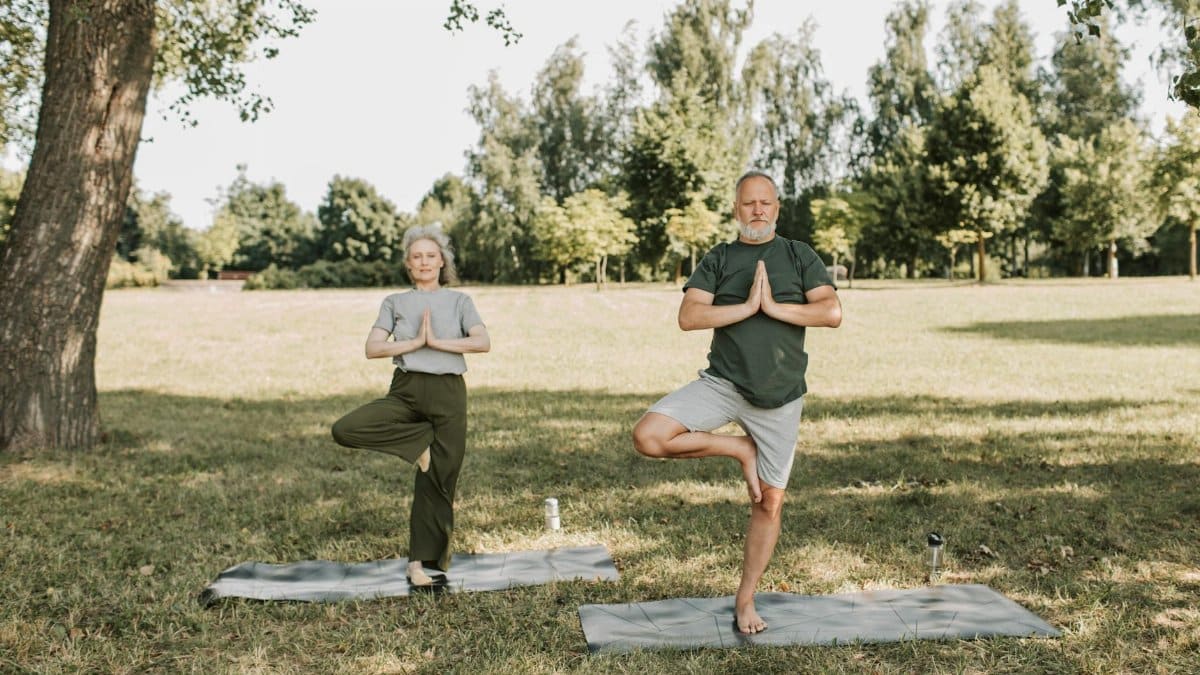
Improved self awareness consistently correlates with better health outcomes. People who can sense rising tension often catch stress before it becomes chronic inflammation. Those who notice subtle shifts in energy learn to eat when truly hungry rather than when bored or anxious. The body responds gratefully to this attuned care.
Doctors working at the intersection of lifestyle medicine and behavioral science report that patients who develop basic awareness habits show greater adherence to exercise, nutrition, and sleep recommendations. The difference lies not in more information but in a changed relationship to that information. Knowledge becomes personal and therefore actionable.
Enhancing Emotional Wellbeing and Happiness

Happiness researchers have long observed that self aware individuals experience greater life satisfaction even when external circumstances remain unchanged. They waste less energy on behaviors that ultimately make them feel worse. They also celebrate small wins more fully because they actually notice them.
This emotional intelligence spills into relationships. Partners report feeling more seen and heard. Children benefit from parents who can distinguish between their own stress and a child’s needs. The cumulative effect is a quieter mind and a warmer heart, qualities that middle age often demands as roles shift and priorities deepen.
Drawing Wisdom From Spiritual Traditions

Contemporary interest in Self-Awareness Habits owes much to spiritual lineages that never separated inner knowing from daily conduct. Contemplative prayer, mindfulness meditation, and the examen practiced by Jesuits all cultivate precisely this capacity to observe oneself honestly before God or the universe.
Modern interpreters have made these practices accessible to secular audiences while preserving their essential humility. The spiritual dimension adds a sense of connection larger than personal improvement. Many people discover that the same awareness that helps them drink more water also deepens their capacity for gratitude, compassion, and wonder.
Real Stories of Transformation and Growth

A 48 year old nurse from Phoenix began tracking her energy levels and emotional states after years of burnout. Within six months she had renegotiated her schedule, resumed hiking, and repaired a strained relationship with her adult daughter. She attributes the changes not to heroic effort but to the steady accumulation of honest moments of self contact.
Similar accounts surface regularly in spiritual and wellness communities. A retired teacher learned through awareness practices that his lifelong procrastination masked fear of inadequacy. Understanding this allowed him to write the memoir he had postponed for twenty years. These narratives illustrate how Self-Awareness Habits create space for authentic evolution rather than forced reinvention.
Addressing Common Obstacles to Awareness
Many people fear that looking inward will reveal uncomfortable truths or stir up old pain. This resistance itself becomes useful information when met with kindness. Others worry they will become self absorbed. Experience shows the opposite. Greater self knowledge usually leads to less self centeredness and more genuine availability to others.
Perfectionism presents another hurdle. The practice requires approaching oneself with the same patience one might offer a good friend. When judgment arises, that too can be noticed and allowed to pass. Over time the inner critic loses volume, making space for clearer seeing and wiser choosing.
Integrating These Habits Into Busy Schedules

The beauty of Self-Awareness Habits lies in their flexibility. They do not require retreats or special equipment. Busy professionals integrate them by linking awareness checks to existing habits such as brewing coffee or waiting at traffic lights. Technology can help with gentle reminders, though the goal remains internal rather than another item on a checklist.
Many find that awareness practices actually create more time by reducing hours lost to distraction and regret. A calmer, more intentional approach to each hour replaces the frantic feeling that nothing is ever enough. The practices scale beautifully to whatever life demands.
The Road to Lasting and Meaningful Change

Ultimately Self-Awareness Habits foster change that endures because it arises from alignment rather than coercion. When actions flow from genuine understanding of one’s values, needs, and capacities, they require far less maintenance. The journey resembles tending a garden more than pushing a boulder uphill.
Research and lived experience converge on this truth. The Berkeley article referenced earlier concludes that self aware individuals do not simply adopt new behaviors. They become different people for whom healthier choices feel natural. In spiritual terms, they remember who they essentially are beneath the noise of modern life.
Looking Ahead to a More Conscious Future

As interest in personal growth continues to mature, Self-Awareness Habits appear poised to move from niche practice to cultural norm. Middle aged readers in particular seem hungry for approaches that honor the complexity of their lives while offering realistic hope for renewal. The convergence of spiritual wisdom and psychological insight provides a rich foundation for this emerging movement.
The invitation remains simple yet profound. Turn inward with curiosity. Listen carefully. Act from understanding. In that sequence lies the surprising power to boost every other habit and to greet the second half of life with renewed vitality, clearer purpose, and deeper contentment. The tools have always been available. The only requirement is the willingness to begin. (Word count: 1,237)