
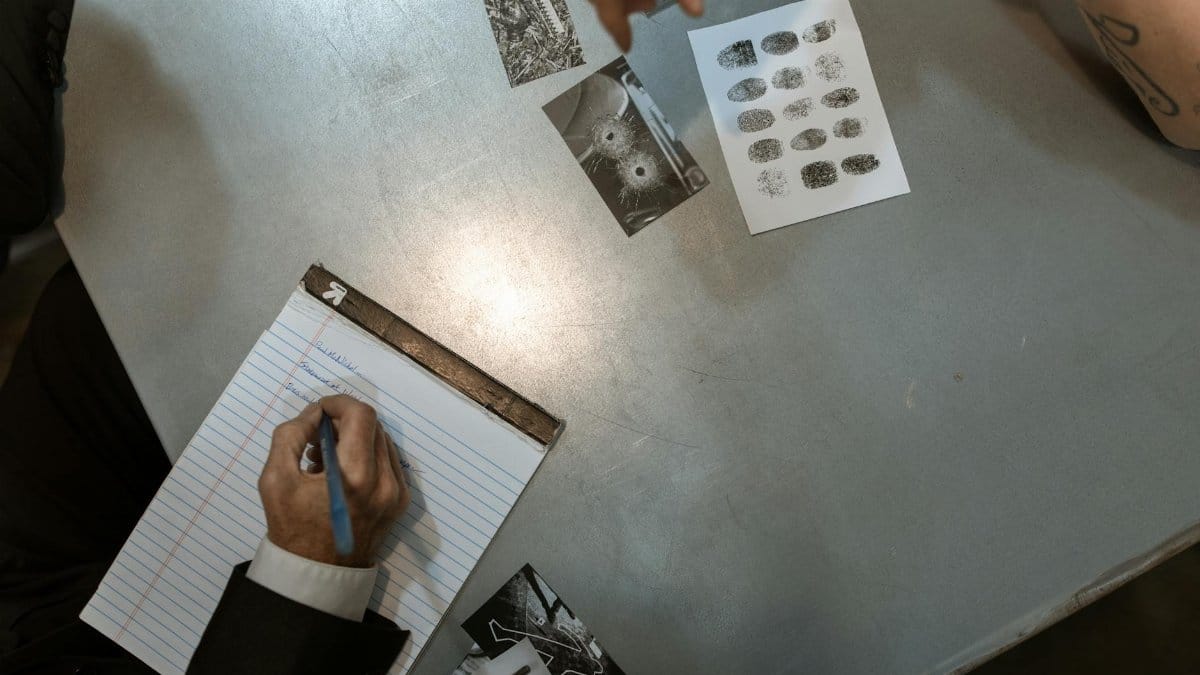
In a quiet suburban neighborhood one summer evening a woman watched from her window as a stranger fled the scene of a break in. Months later she stood in a police station and pointed with absolute certainty at the man she believed she had seen. Only after he had spent three years in prison did DNA evidence prove his innocence. Stories like this appear with unsettling regularity reminding us how fragile human perception can be when memory meets stress. Identification Bias sits at the heart of these miscarriages of justice. It describes the way subtle influences from investigators lineups and even media coverage can shape what a witness believes they remember. Fresh research from the American Psychological Association connects this legal dilemma to another pressing concern: why so many people abandon treatment for post traumatic stress disorder. The findings offer valuable perspective for anyone who has ever questioned the reliability of their own recollections or watched a loved one struggle with trauma.
The Nature of Identification Bias in Eyewitness Accounts

Identification Bias emerges when external cues distort the delicate process of facial recognition. Under ideal conditions the human brain excels at distinguishing faces. Yet high stress diminished lighting and limited exposure time weaken that ability. Witnesses often receive inadvertent signals from officers who already suspect a particular individual. A casual nod or a simple comment such as “Good you picked the same person as the last witness” can dramatically inflate confidence. Once that confidence takes root it becomes difficult to shake even when contradictory evidence surfaces later.
Researchers have documented this pattern across hundreds of controlled experiments. Participants shown photos after being exposed to suggestive language consistently report stronger memories than those who receive neutral instructions. The bias does not stem from deliberate deception. It arises from the natural human desire to be helpful and to resolve uncertainty. Middle aged adults who form the backbone of many juries may find this revelation particularly troubling because it challenges long held assumptions about the trustworthiness of eyewitness testimony.
Real World Consequences Beyond the Courtroom

Wrongful convictions represent only the most visible cost of Identification Bias. Families fracture under the weight of prolonged legal battles. Communities lose faith in institutions meant to protect them. The wrongly accused carry the scars of incarceration including damaged employment prospects and lingering distrust of authority. One study tracked exonerees for years after their release and found elevated rates of depression and anxiety directly linked to the original misidentification process.
These outcomes extend into civil disputes insurance claims and even workplace investigations. When bias creeps into formal identification procedures the ripple effects touch insurance premiums workplace policies and public safety strategies. Readers who have served on jury duty or followed high profile criminal cases may recognize how quickly certainty replaces doubt once a witness takes the stand.
Psychological Mechanisms Driving the Bias

At its core Identification Bias reflects the interplay between expectation and memory reconstruction. The brain does not record events like a video camera. Instead it assembles fragments of sensory information and fills gaps with logical inferences. When an authority figure implies which suspect seems most likely the witness unconsciously incorporates that information into their recollection. This process happens outside conscious awareness which explains why even well intentioned people become convinced of inaccurate details.
Age plays a subtle role. Research suggests that adults between forty and sixty years old show particular vulnerability when asked to identify faces from different racial or ethnic backgrounds. This cross race effect compounds with Identification Bias creating especially risky conditions for misidentification. Understanding these mechanisms does not excuse errors but it does illuminate why reforms must address both procedure and human psychology.
Why Many Patients Leave PTSD Treatment

The same psychological forces that complicate eyewitness memory also influence recovery from trauma. Recent analyses reveal that nearly half of individuals who begin evidence based therapies for post traumatic stress disorder discontinue before completing the recommended course. Avoidance emerges as the strongest predictor. Confronting painful memories feels intolerable for many patients especially those who have developed sophisticated strategies for suppressing distress.
Clinicians note that dropout rates climb when treatment fails to acknowledge the complex relationship between trauma and identity. Patients often struggle to reconcile their pre trauma sense of self with the changes wrought by violence or disaster. This internal conflict mirrors the external distortions seen in Identification Bias where external suggestions reshape personal narrative. The APA research highlights how both phenomena involve memory malleability and the powerful human impulse to maintain psychological coherence.
Barriers That Push People Out of Care

Practical obstacles compound emotional resistance. Long wait times for specialized providers transportation difficulties and conflicting work schedules all contribute to premature termination. Yet the most significant barrier often proves invisible to outsiders. Many individuals harbor deep skepticism about therapy itself viewing it as an admission of weakness or an endless excavation of pain without clear benefit.
Stigma remains potent among middle aged men and women who came of age during eras when mental health conversations stayed behind closed doors. When treatment protocols seem insensitive to cultural spiritual or personal values patients vote with their feet. The research suggests that integrating patient preferences and offering flexible delivery methods including telehealth and brief interventions could improve retention without sacrificing effectiveness.
Promising Strategies to Reduce Both Bias and Dropout

Reformers have developed sequential lineups that present suspects one at a time rather than simultaneously. This method reduces the natural tendency to pick the person who looks most like the perpetrator relative to others present. Double blind administration ensures that the officer guiding the procedure possesses no knowledge of the suspect list thereby eliminating unintentional cues. Courts in multiple states have begun requiring expert testimony about Identification Bias to help jurors weigh evidence more accurately.
On the clinical side researchers are testing brief motivational interventions delivered at the start of treatment. These short conversations address ambivalence directly and appear to boost completion rates by nearly thirty percent. Some programs now blend trauma focused cognitive behavioral therapy with mindfulness practices that help patients observe memories without becoming overwhelmed by them. Such approaches may appeal to readers exploring both psychological and spiritual dimensions of healing.
Where Psychological Insight Meets Spiritual Awareness

Many spiritual traditions emphasize the importance of clear seeing and the dangers of mistaken identity. Buddhist teachings on illusion Christian calls for discernment and indigenous practices of deep listening all caution against confusing constructed narratives with fundamental truth. Modern findings about Identification Bias resonate with these ancient observations by demonstrating how easily the mind can be led astray.
Individuals engaged in contemplative practices often report improved emotional regulation and decreased reactivity to memory triggers. While spiritual development should never replace clinical care for severe trauma the research hints at potential synergy. Practices that cultivate present moment awareness may strengthen the very cognitive capacities that protect against both Identification Bias and the avoidance patterns that fuel treatment dropout. This convergence offers a hopeful avenue for those seeking integrated paths toward wholeness.
What These Findings Mean for Everyday Understanding

Most people will never serve as eyewitnesses in criminal trials or enter formal trauma therapy. Yet the underlying lessons apply broadly. Memory proves far more reconstructive than most adults realize. Every family story told at holiday gatherings every recollection of past conflicts carries the subtle imprint of subsequent suggestions and current emotional states. Recognizing this fallibility can foster greater humility in personal relationships and public discourse alike.
Readers might pause before rushing to judgment when friends or colleagues describe past events differently. The same mechanisms that distort eyewitness identification operate in workplaces schools and social media exchanges. Greater awareness encourages more patient listening and less reflexive certainty. In an era of deep division this insight feels particularly relevant.
Pathways Toward Meaningful Reform

Policy changes must address both the legal and clinical dimensions highlighted in the new research. Law enforcement agencies need consistent training in bias minimizing procedures. Judicial instructions should routinely inform juries about the limitations of eyewitness testimony. Meanwhile mental health systems require expanded access to care that feels respectful and culturally attuned.
Funding priorities matter. Resources directed toward prevention early intervention and provider training yield better outcomes than simply expanding beds in crisis facilities. Collaboration between psychologists legal scholars and community leaders offers the best hope for systemic improvement. The APA report serves as both warning and invitation urging professionals and ordinary citizens to engage more thoughtfully with the complexities of memory trauma and identity.
Looking Ahead with Cautious Optimism
The convergence of these research streams reveals something fundamentally human. Our minds constantly work to construct coherent narratives from fragmented experience. Sometimes those narratives serve us well. Other times they lead us into error with serious consequences for ourselves and others. Identification Bias and the patterns driving PTSD treatment dropout both stem from this same creative yet fallible capacity.
Progress depends on honest acknowledgment of these limitations paired with practical innovations that work with rather than against human psychology. For middle aged readers who have accumulated decades of memories and life experience this research carries special resonance. It invites renewed respect for the complexity of perception while pointing toward methods that can improve justice outcomes and healing trajectories. The path forward requires vigilance compassion and willingness to update long standing assumptions about how memory and recovery actually work.