
Picture a man in his early fifties staring at the ceiling at 3 a.m., replaying conversations from decades ago that still sting. Or a woman who has spent thirty years climbing the corporate ladder now wondering why the view from the top feels so empty. These moments of raw reckoning arrive for many in middle age, when the distance between who we hoped to become and who we actually are suddenly feels vast. Self-acceptance meditation offers a different way to meet those sleepless hours. Instead of reaching for distraction or self improvement projects, it asks us to stay present with whatever is true right now.
The practice does not promise to silence every doubt or heal every regret. It simply creates space to observe thoughts and sensations without immediately labeling them as good or bad. In doing so, it builds a steadier foundation for facing the ordinary difficulties of midlife: aging bodies, shifting relationships, career pivots, and the quiet grief of unmet expectations. What follows is an exploration of how this approach works, why it resonates now, and what it can realistically offer people who have spent years being hard on themselves.
The Inner Critic That Grows Louder With Time

By the time we reach our forties and fifties, most of us have assembled a sophisticated collection of ways to find ourselves lacking. The voice that once whispered now speaks with authority, drawing on decades of evidence. It recalls the promotion that went to someone else, the marriage that ended, the creative dreams set aside for practical concerns. This critic rarely arrives alone. It travels with cultural messages that middle age should bring mastery, financial security, and physical vitality. When reality diverges from that script, the gap can feel like personal failure.
Conventional wisdom suggests fighting back with affirmations or harder effort. Yet research consistently shows that harsh self judgment activates the same brain regions as physical pain. The body responds to self criticism as threat. Over time this pattern exhausts both nervous system and spirit. Many readers will recognize the fatigue that follows hours spent mentally arguing with themselves. The alternative is not giving up but changing the terms of engagement.
Where Self Acceptance Meditation Comes From
The roots stretch back to Buddhist mindfulness practices that emphasize clear seeing without judgment. In recent decades teachers in the West have translated these ideas into accessible forms suitable for people with busy lives and skeptical minds. The version explored here draws from the work of clinicians who integrate mindfulness with insights from psychology, particularly the growing field of self compassion research.
Unlike meditation techniques that aim for calm or insight, self acceptance meditation deliberately turns toward difficulty. It treats whatever arises, pleasant or painful, as worthy of attention. This radical permission to be as one is runs counter to much of American culture. Yet it aligns with what many discover through experience: resistance to reality creates more suffering than the reality itself.
The Twelve Minute Practice That Meets You Exactly Where You Are

The guided meditation available through Mindful magazine requires no special posture, clothing, or previous experience. It begins with simple awareness of breath and body. Then it invites practitioners to name their current emotional state with a single word. Sad. Angry. Tired. Numb. The act of naming already creates distance from the feeling.
Next comes the core instruction: offer yourself the same words of understanding you might give a respected friend in the same situation. The language stays plain. “This is hard. Anyone would struggle here.” The practice cycles through physical sensations, emotions, and thoughts, returning repeatedly to acceptance of whatever appears. It lasts roughly twelve minutes yet leaves many people feeling they have put down a burden they did not realize they were carrying. The recording walks listeners through each step without pressure to get it right.
What the Research Actually Shows
Studies on self compassion, a close cousin of self acceptance meditation, offer encouraging data. A 2019 meta analysis published in Clinical Psychology Review found moderate to large effects on reducing anxiety, depression, and stress. Neuroimaging research from the University of Toronto suggests that practicing acceptance activates brain networks associated with emotional regulation while dialing down activity in self referential judgment centers.
Importantly, the benefits appear most pronounced for people who begin with high levels of self criticism. This matches anecdotal reports from middle aged practitioners who describe feeling as though they have finally been given permission to stop fighting themselves. The changes tend to arrive gradually rather than dramatically, showing up as slightly less reactivity to daily irritations and a greater capacity to recover from setbacks.
Real Voices From People in the Middle of Life

Sarah Thompson, a 47 year old school administrator in Ohio, started the practice during a difficult divorce. “I spent months telling myself I should be handling it better,” she said. “The meditation let me admit that I was devastated without adding another layer of shame.” After several weeks she noticed she could sit with her teenage children’s anger at the situation without immediately trying to fix it or defend herself.
Michael Chen, a 54 year old engineer facing an early retirement package, described a different shift. “My whole identity was tied to being the guy who solved problems. When work no longer needed me, I fell apart. This practice helped me see that my worth was not located entirely in my productivity.” He still feels the loss but reports carrying it differently.
These stories share a common thread. Participants do not report becoming suddenly happy or fearless. They describe feeling more spacious inside their own experience.
Common Obstacles and How They Appear

Many people encounter resistance when they first try self acceptance meditation. The mind rebels against the idea of accepting what it has spent years trying to change. Old habits of self improvement reassert themselves quickly. Some practitioners notice they are accepting their lack of acceptance, which can create a mental hall of mirrors.
Physical discomfort often arises as well. Sitting still with difficult emotions can produce restlessness or even nausea. The guidance here remains consistent: notice the resistance or the discomfort, name it if possible, and offer the same understanding you would extend to anyone else facing it. The practice does not require liking what you find. It only asks that you stop arguing with its existence.
Making Space for the Practice in a Full Life
Twelve minutes is short enough to fit between meetings or after dinner. Some people use it first thing in the morning before the demands of the day crowd in. Others prefer evening as a way to unwind mental knots accumulated over many hours.
The key is consistency rather than intensity. Practicing for a few minutes most days appears more useful than longer sessions done sporadically. Many integrate the principles into ordinary moments, silently offering themselves understanding while stuck in traffic or waiting for a doctor’s appointment. Over time the formal practice and these informal applications reinforce each other.
When Acceptance Feels Particularly Difficult
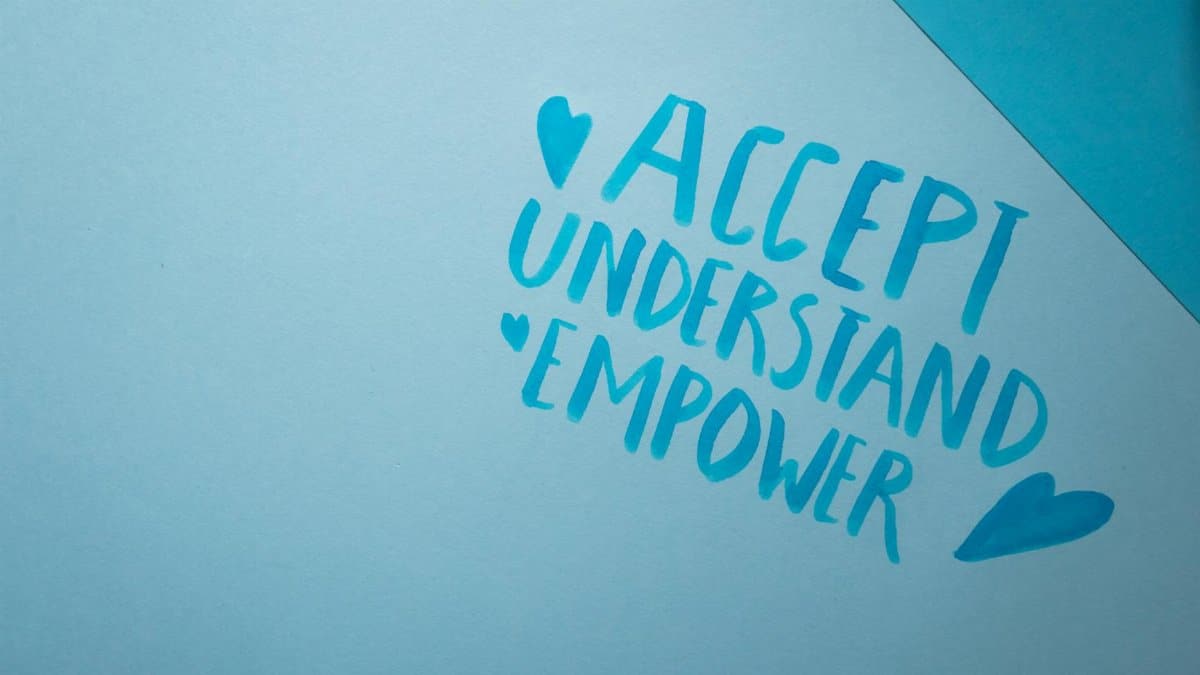
Certain experiences test the limits of self acceptance meditation. Acute grief, serious illness, or moral injury can make the idea of acceptance feel like betrayal of oneself or others. In these cases the practice may need modification. Rather than moving directly into acceptance, some people benefit from first acknowledging the impossibility of acceptance. This meta acceptance, while conceptually complex, often provides the first crack of light.
Working with a qualified teacher or therapist can help when old trauma surfaces. The meditation is not intended as a substitute for professional mental health care when deeper support is needed. Used wisely, however, it can complement other forms of treatment by reducing the shame that sometimes keeps people from seeking help.
The Larger Cultural Moment

Interest in self acceptance meditation coincides with broader societal exhaustion. After years of hustle culture, pandemic disruption, and economic uncertainty, many middle aged Americans are questioning the bargain they made with constant self optimization. The quiet rebellion taking place in living rooms and parked cars across the country involves putting down the relentless project of becoming better and asking instead what it might mean to become kinder.
This shift does not mean abandoning growth or responsibility. It reframes the starting point. When we stop expending enormous energy on self rejection, that energy becomes available for meaningful action, creative pursuits, and deeper connections with others.
Meeting Yourself as a Beginning, Not an End

The genius of this approach lies in its simplicity and its respect for human frailty. It does not ask us to transcend our humanity but to inhabit it more fully. For those who have spent decades trying to outrun their perceived shortcomings, the invitation to stop running can feel both terrifying and profoundly relieving.
Self-acceptance meditation will not solve every problem or heal every wound. What it offers is more modest and perhaps more valuable: a reliable way to stop adding to our suffering through constant internal opposition. In the middle of life, when so much has already happened and so much remains unknown, that ability may be one of the most practical skills we can cultivate.
The original guided session can be found at Mindful.org. Many listeners return to it regularly, not because it provides new information but because it offers repeated permission to be exactly who and where they are. In a world that profits from our discontent, this permission feels increasingly radical. And increasingly necessary.