
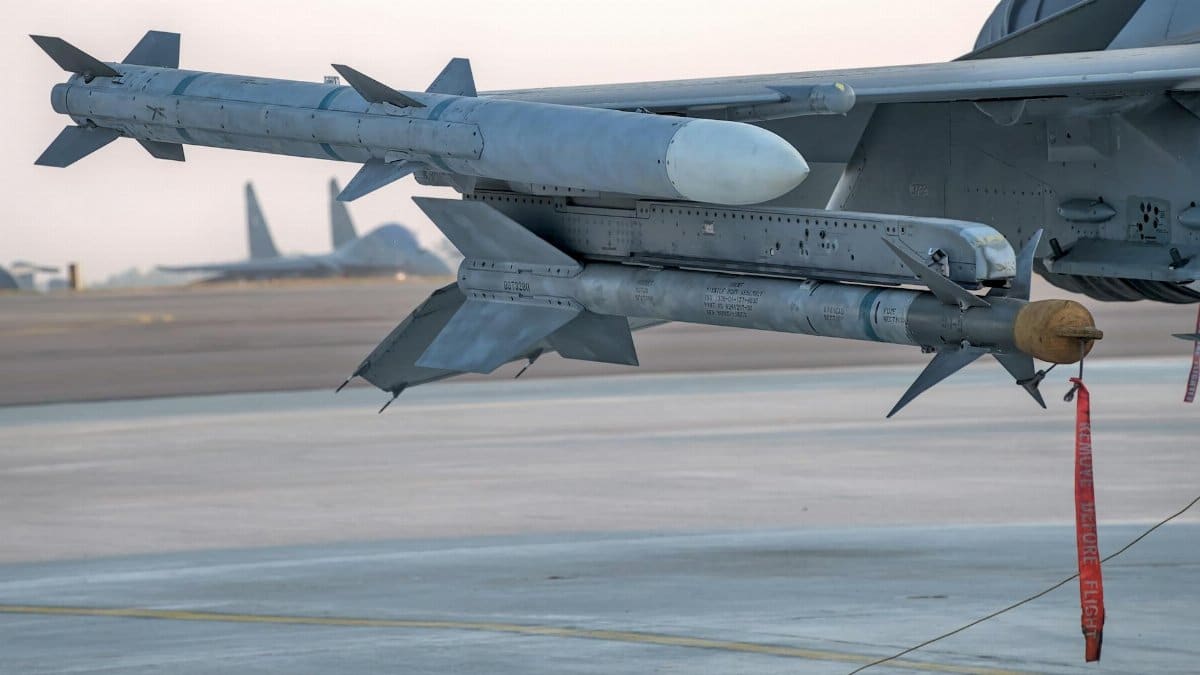
In the hushed moments before dawn broke over the Persian Gulf the United Arab Emirates experienced a sudden breach of its airspace. Authorities have confirmed a sophisticated UAE drone attack involving multiple unmanned systems and missiles that targeted areas near critical infrastructure. This development arrives at a precarious time as negotiators struggle to preserve a fragile ceasefire in the broader conflict linked to Iran. The incident has sent ripples of concern across global capitals and into local communities where people of faith are once again confronting the gap between political rhetoric and the deep human longing for peace.
For middle aged readers who have witnessed decades of Middle East tensions this latest flare up feels familiar yet freshly unsettling. Beyond the tactical details lies a more profound story about how violence tests the spirit of nations and individuals alike. Many residents in the UAE and neighboring states report turning to prayer and reflection as they process the uncertainty. The UAE drone attack thus becomes more than a security headline. It raises timeless questions about resilience hope and the moral imagination required to build something lasting amid cycles of retaliation.
The Nature Of The Assault

Initial reports indicate the UAE drone attack was carefully orchestrated with several devices evading early detection before defensive systems engaged them. No fatalities have been recorded yet property damage and heightened alert levels have disrupted daily life. Officials describe the operation as deliberate and linked to networks sympathetic to Iranian positions in the ongoing dispute. Such actions test the boundaries of what a ceasefire can realistically sustain especially when proxy actors retain capacity to strike at distance.
Defense analysts note the technological sophistication on display. The drones reportedly carried advanced navigation tools allowing them to traverse considerable distances while avoiding commercial air corridors. This level of planning suggests coordination that reaches beyond lone operators and into organized networks. For ordinary citizens the event feels both distant and intimately threatening reminding them that modern conflict respects few borders.
Spiritual Leaders Offer Guidance
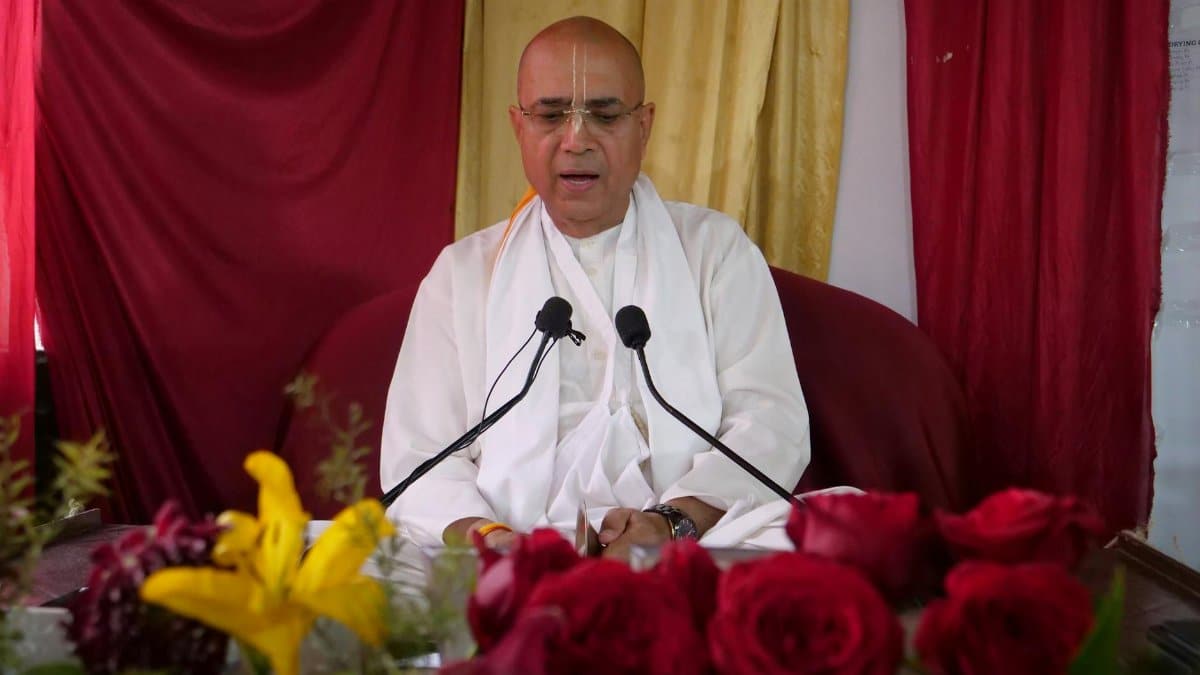
In the hours following the UAE drone attack senior religious figures across the region issued public calls for restraint and introspection. Muslim scholars in Dubai and Abu Dhabi urged congregations to remember teachings on justice and mercy emphasizing that violence must never become an end in itself. Christian and interfaith leaders have echoed similar sentiments convening virtual gatherings to pray for de escalation and diplomatic wisdom.
These voices carry particular weight with middle aged audiences who often balance professional lives with deepening spiritual curiosity. Many report finding comfort in ancient texts that speak directly to cycles of conflict and the possibility of transformation. One widely shared sermon described the attack as a summons to examine collective priorities asking whether security built solely on weaponry can ever deliver true peace. Such messages are spreading rapidly through community networks and social platforms.
The Human Cost Beyond Casualty Counts
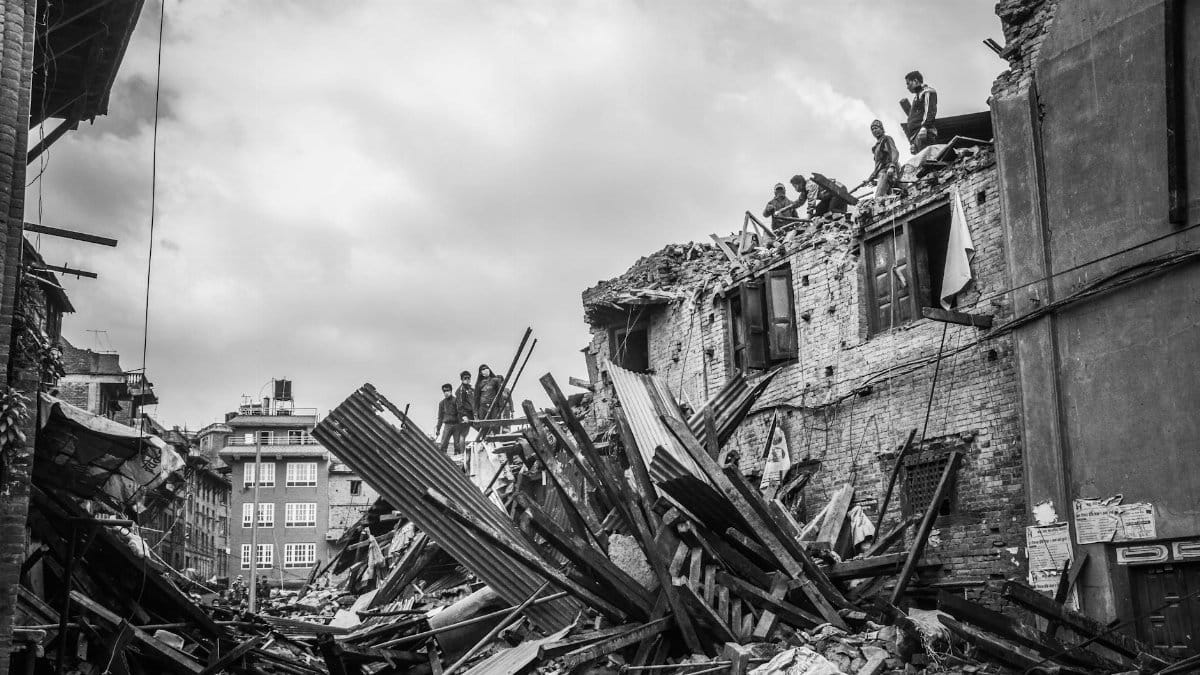
While physical injuries from the UAE drone attack were limited the psychological toll is already visible. Families near targeted zones described sleepless nights and anxious conversations with children about safety. Mental health professionals in the Emirates report increased inquiries about stress and uncertainty noting that prolonged regional instability compounds personal burdens many carry from previous episodes of tension.
This dimension resonates with readers who understand that conflict reshapes societies from the inside out. Parents wonder about the world they are leaving their adult children. Older citizens recall earlier decades of relative calm and ask what happened to those hopes. The spiritual dimension emerges clearly here as people seek meaning beyond the news cycle turning toward practices of meditation communal support and charitable giving as quiet forms of resistance against despair.
Trends In Faith Based Diplomacy
The UAE drone attack has spotlighted an intriguing trend: the growing involvement of religious actors in back channel discussions. Informal networks of clerics and lay leaders have maintained dialogue across sectarian and national lines even when official talks stalled. These efforts rarely make headlines yet they create soft infrastructure for understanding that can prove valuable when political windows reopen.
Recent initiatives include joint statements drafted by Sunni Shia and Christian representatives condemning attacks on civilian linked infrastructure. Such documents avoid partisan language instead grounding appeals in shared values of human dignity and stewardship of creation. Observers suggest this faith based diplomacy may offer pathways that purely secular approaches sometimes miss particularly in a region where spiritual identity remains central to how millions interpret current events.
Reflections On Ceasefire Fragility
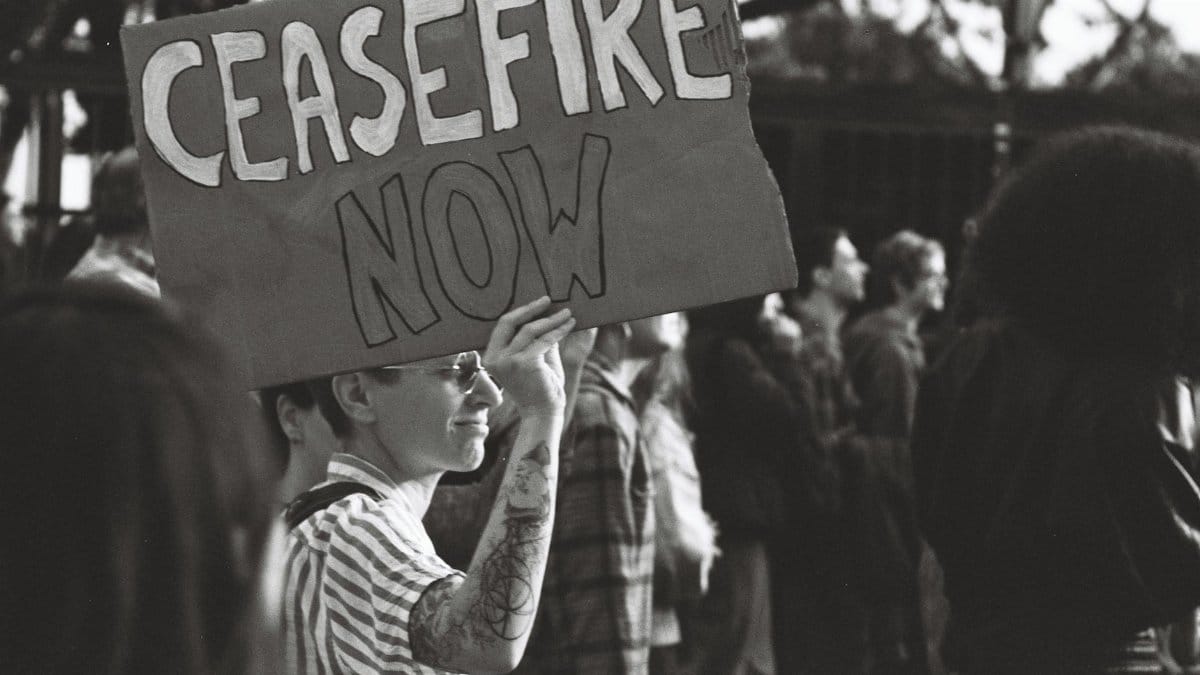
The timing of the UAE drone attack reveals how thin the current ceasefire truly is. Brokered with considerable international investment the agreement was meant to create breathing room for humanitarian relief and economic recovery. Instead it has become a tense waiting game punctuated by provocations that risk spiraling into wider confrontation.
From a spiritual perspective this fragility invites deeper contemplation about what genuine peace requires. Religious traditions represented in the Gulf often stress that peace is not merely the absence of war but the presence of justice and mutual recognition. Commentators drawing on these teachings suggest that future agreements must address root grievances rather than simply pause hostilities. Otherwise each new incident like this latest drone strike further erodes public trust in diplomatic processes.
Community Responses And Quiet Solidarity
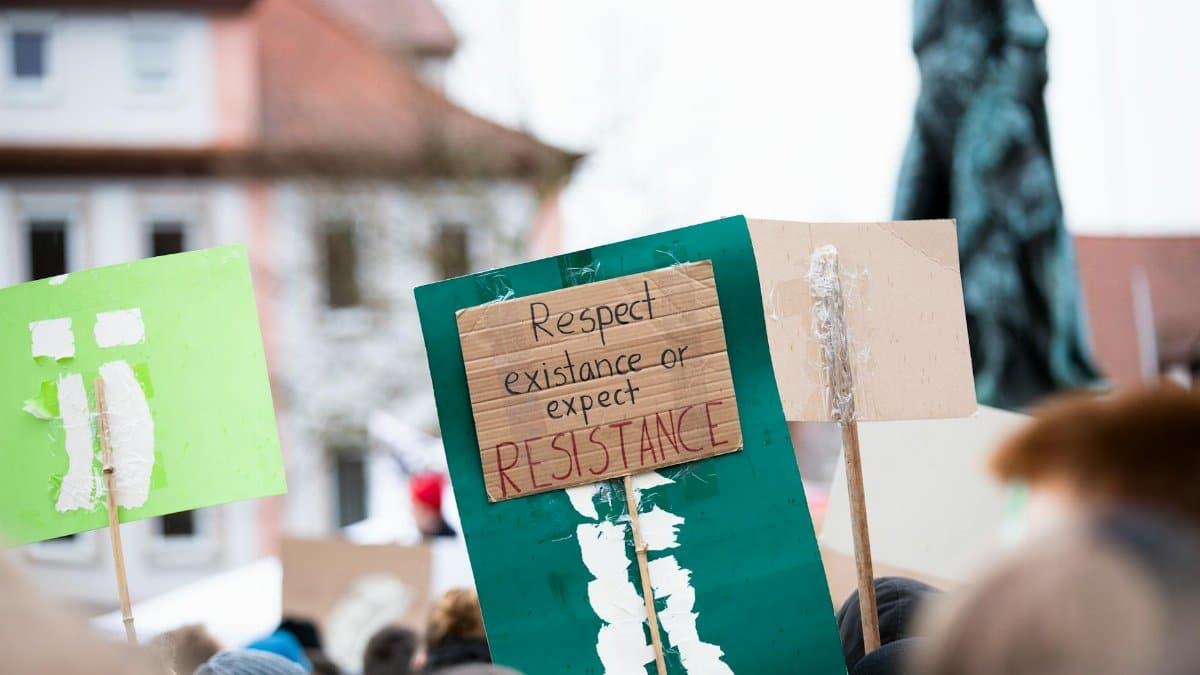
Across the Emirates neighborhoods have responded to the UAE drone attack with small but meaningful gestures of unity. Mosque and church leaders organized blood drives and food collections for emergency services. Social media groups usually focused on parenting or business have shifted toward sharing resources on coping with anxiety and supporting one another through uncertain times.
These grassroots efforts reflect a broader spiritual trend visible throughout the region. Rather than waiting for top down solutions ordinary people are reclaiming agency through acts of compassion and listening. Middle aged professionals in particular appear drawn to this approach perhaps because their generation has seen enough grand promises to value the steady accumulation of small faithful deeds instead.
Historical Parallels And Collective Memory

Students of regional history cannot help noticing echoes between the current episode and previous cycles of attack and retaliation. Each generation inherits both the scars and the wisdom of what came before. The UAE drone attack joins a ledger of incidents that communities remember differently depending on their vantage point yet all sides share a longing to escape perpetual recurrence.
Spiritual traditions offer powerful tools for engaging this memory without becoming captive to it. Practices of truthful remembrance paired with forgiveness create space for new possibilities. Several prominent educators have used the present moment to teach younger audiences about past peace initiatives that succeeded because they engaged hearts as well as minds. This educational impulse represents one of the more hopeful trends emerging from an otherwise discouraging event.
Broader Implications For Regional Stability

The consequences of the UAE drone attack extend well beyond its immediate targets. Energy markets registered immediate concern given the Emirates central role in global supply chains. Neighboring states adjusted security postures while international partners called for urgent restraint. Yet beneath the strategic calculations runs a deeper current of spiritual fatigue as populations grow weary of living in perpetual alert.
Environmental advocates have also entered the conversation noting that conflict diverts attention from shared challenges such as water scarcity and climate adaptation. Faith based environmental movements in the Gulf are quietly linking care for creation with the work of peace building arguing that both flow from the same ethical source. Their perspective adds another layer to how communities interpret and respond to events like this latest strike.
Finding Strength In Ancient Wisdom
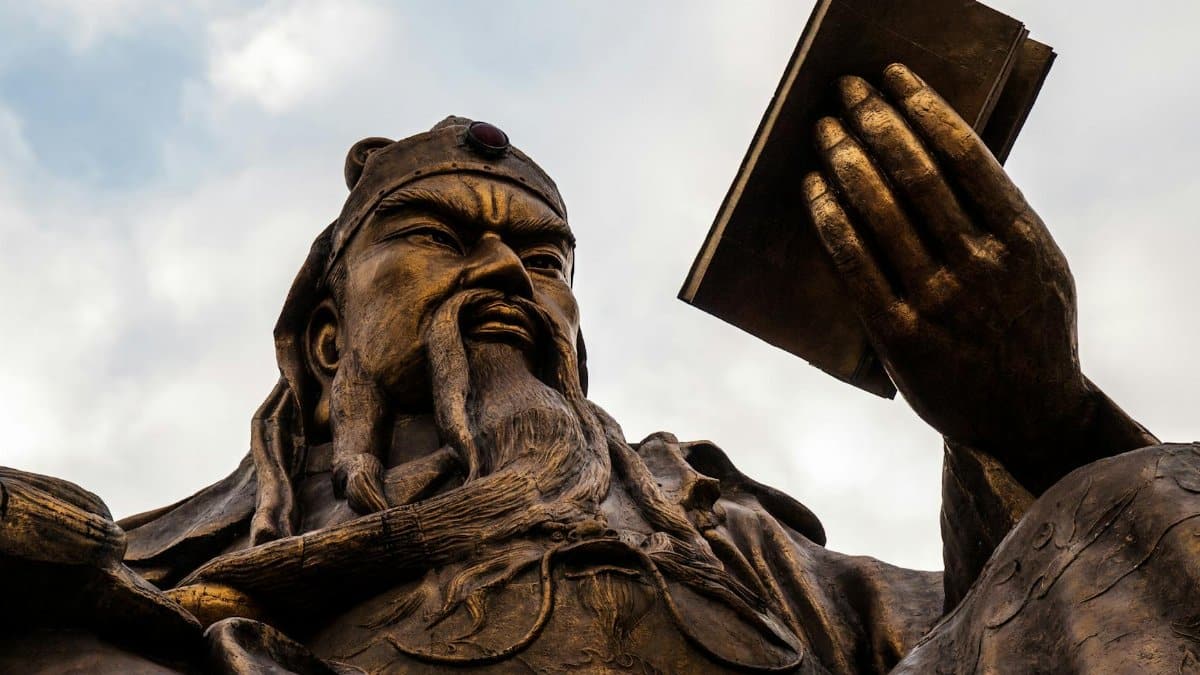
In the aftermath of the UAE drone attack many have returned to sacred texts and stories that have sustained previous generations through hardship. Passages emphasizing patience courage and the ultimate sovereignty of the divine offer perspective when human plans falter. These resources do not provide easy answers but they do supply courage to keep seeking solutions even when prospects appear dim.
Spiritual directors across traditions report heightened interest in contemplative practices that cultivate inner stability. Whether through silent prayer mindful walking or communal chanting these disciplines help individuals remain grounded when external circumstances grow chaotic. The trend suggests a maturing spiritual sensibility among the population one that refuses to surrender hope despite repeated setbacks.
Prospects For Renewed Peace Efforts

Despite the damage inflicted by the UAE drone attack diplomats insist that windows for dialogue have not fully closed. Recent back channel communications show cautious willingness on several sides to explore confidence building measures. Success will likely depend on addressing both immediate security concerns and the deeper spiritual and cultural wounds that make lasting agreements so elusive.
The coming weeks will test whether regional actors can transform this incident into an opportunity for renewed commitment rather than another chapter in an endless cycle. For those watching from afar including many middle aged readers with personal connections to the region the story remains unfinished. What unfolds next will depend not only on policy choices but on the collective moral imagination of societies that still dare to envision a different future.
Throughout history moments of crisis have occasionally catalyzed unexpected breakthroughs when people of goodwill found common purpose. The spiritual traditions present in the Gulf contain rich resources for exactly this kind of creative response. Whether the current challenge produces such fruit remains to be seen yet the possibility itself carries its own quiet power.