
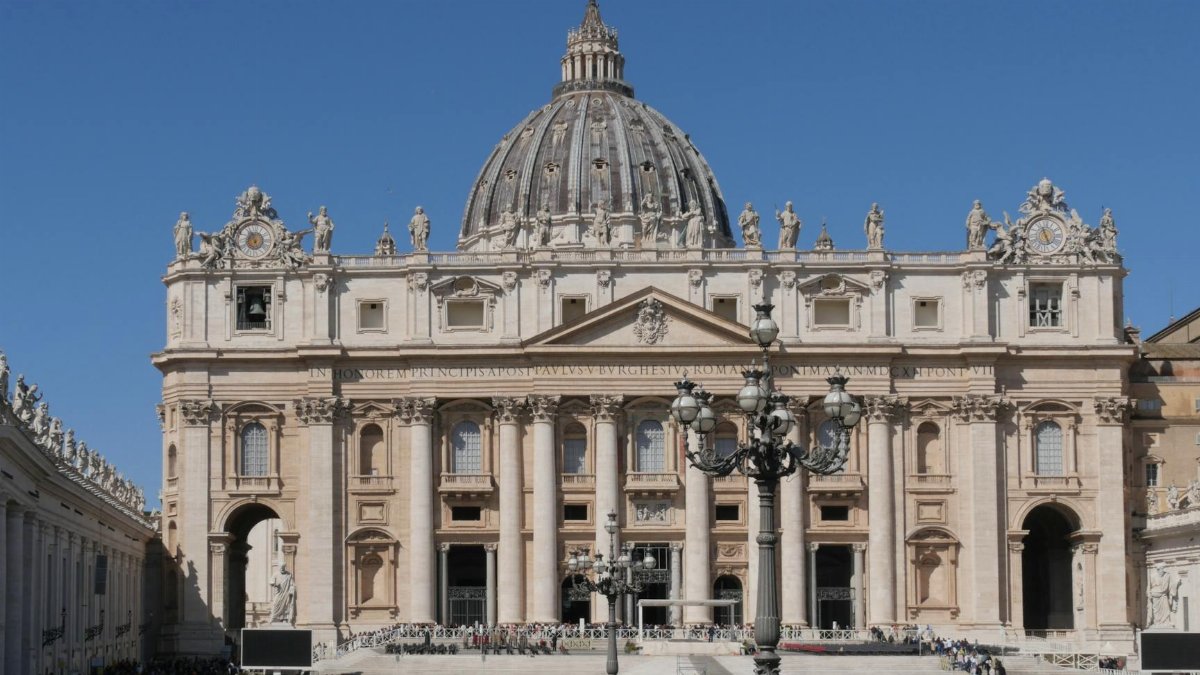
In the soft light of a Miami morning the Haitian prime minister stepped from his plane carrying the weight of a nation in crisis. His itinerary blended practical diplomacy with a search for deeper meaning. First he would inaugurate a new consulate in the city that has become a second home for so many Haitian families. Then he would continue onward to the Vatican for a private audience with Pope Francis focused on enlisting moral support for peace efforts in a land exhausted by violence and uncertainty. The visit underscored how even the smallest gestures of governance now carry both political and spiritual dimensions for Haiti.
The Strategic Importance of the Miami Consulate
The new consulate represents far more than another government office. Located in the heart of the region many call Little Haiti it aims to streamline passport services visa processing and assistance for citizens living abroad. Officials estimate that better access to these services could strengthen the flow of remittances which form a substantial share of the national economy. During his stay the prime minister toured the facility and spoke with staff who will serve thousands of families each month.
Community organizers noted that the consulate arrives at a time when many in the diaspora feel disconnected from political developments back home. They hope the office will serve as a reliable bridge rather than a distant bureaucratic outpost. Local leaders expressed cautious optimism that this physical presence signals a government finally paying attention to the needs of those who left yet remain deeply invested in Haitis survival.
Building Bridges With the Haitian American Community
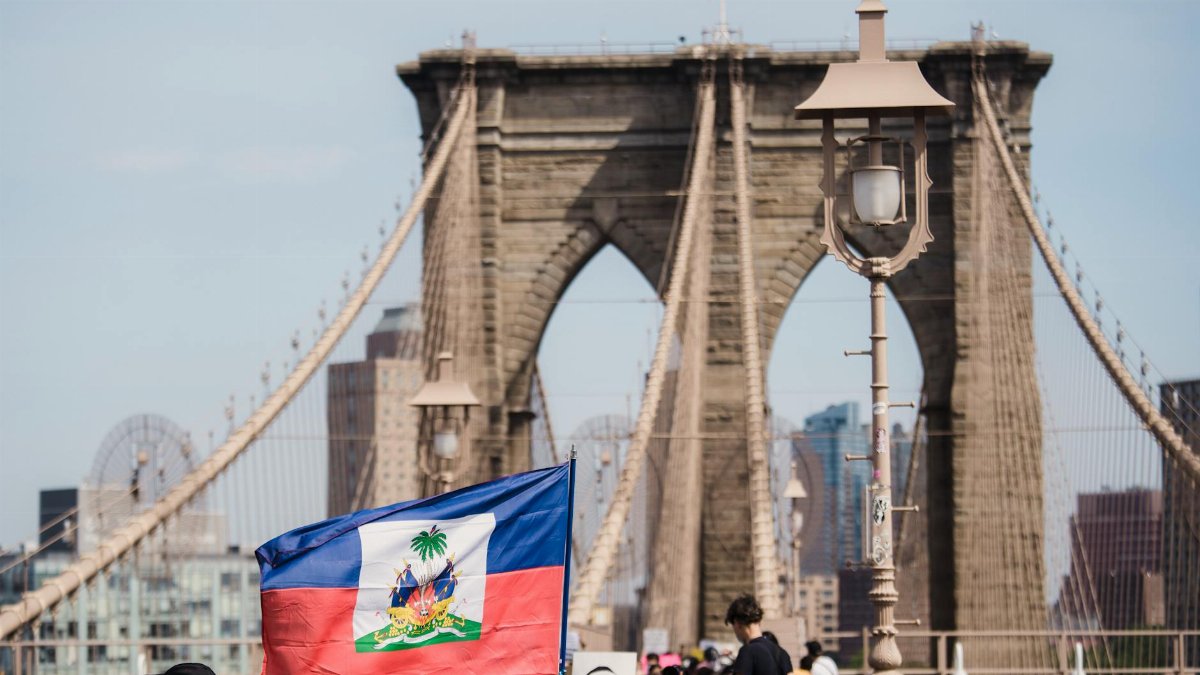
Miami has long served as a cultural and economic anchor for Haitian immigrants and their descendants. From the vibrant markets to the radio stations broadcasting news from Port au Prince the community maintains strong ties despite the miles between them. The prime minister met with business owners educators and clergy who shared both their successes and their frustrations with the pace of change in Haiti.
Many in these conversations emphasized the emotional toll of watching their homeland struggle through repeated cycles of instability. They spoke of family members unable to work safely of schools closed for months and of a generation of young people growing up without hope. The prime minister listened carefully promising that their voices would inform his discussions abroad. These exchanges revealed how the diaspora functions as both a safety net and a source of unrelenting pressure for accountability.
Understanding the Depth of Haitis Crisis

The scale of the challenges facing Haiti can be difficult to grasp from afar. Gang violence controls large portions of the capital and essential supply routes. Basic services have collapsed in many neighborhoods. Hospitals operate with limited supplies while families face daily decisions about whether to risk travel for food or medicine. The prime minister has inherited a transitional administration tasked with restoring order ahead of eventual elections.
Recent reports from humanitarian organizations describe a humanitarian emergency that has displaced hundreds of thousands. Yet numbers alone fail to capture the erosion of everyday life. Parents hesitate to send children to school. Farmers cannot reach markets. The social fabric that once held communities together has frayed under sustained pressure. Against this backdrop every diplomatic journey becomes an attempt to restore not just institutions but belief in a possible future.
The Path to a Transitional Government
Forming the current transitional council required months of delicate negotiations among political factions and civil society groups. The prime minister emerged from this process as a figure expected to bring both competence and credibility to the role. His background in public health and previous experience in government have shaped an approach that emphasizes practical governance over grand promises.
Critics argue that the transition has moved too slowly while supporters counter that haste in the past produced only further instability. The prime minister has focused on securing basic security improvements and preparing the ground for a broader political dialogue. His stop in Miami and subsequent journey to Rome form part of a wider effort to secure international backing for this delicate phase.
A Leader Trained for Public Health and Politics
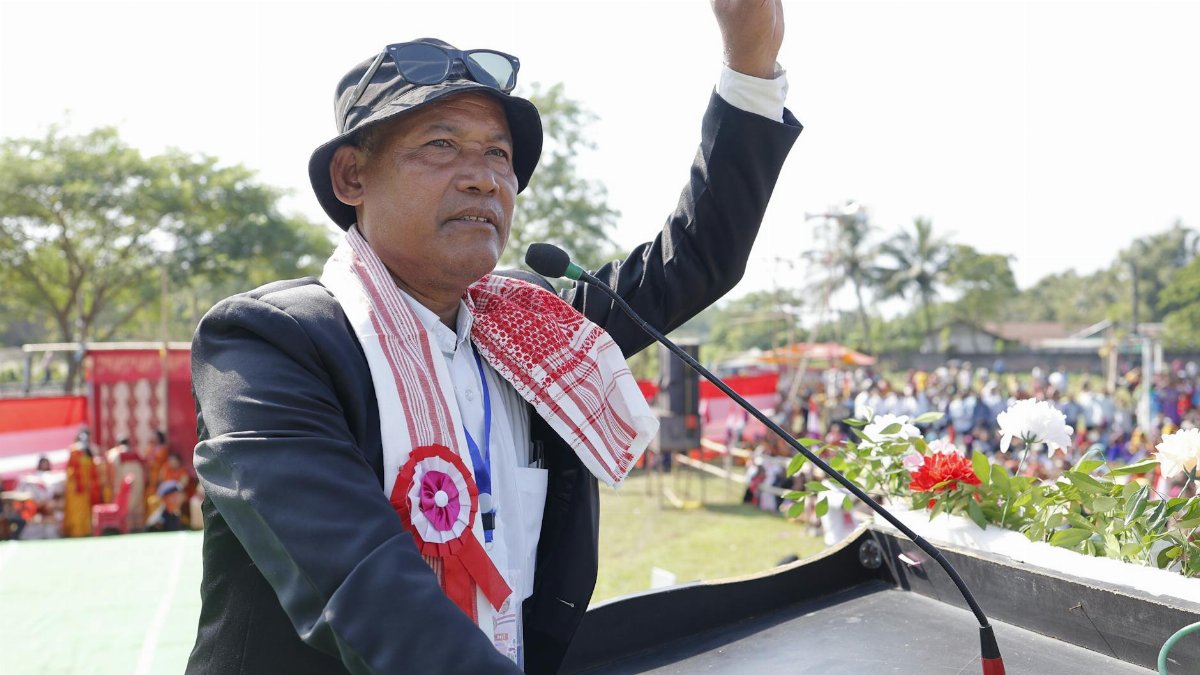
Those who have followed the prime ministers career note his unusual combination of technical expertise and political skill. Trained as a physician he once coordinated disaster response after major earthquakes and worked with international development organizations. This experience informs his understanding of how instability compounds public health disasters in ways that extend far beyond immediate violence.
During his Miami visit he drew on these credentials when speaking with health professionals in the diaspora who maintain clinics and support networks back home. Their insights reinforced his view that lasting peace requires attention to both security and the social determinants that allow communities to thrive. This perspective shapes his appeal to international partners who might otherwise see Haiti solely through the lens of security concerns.
Why the Meeting With the Pope Matters
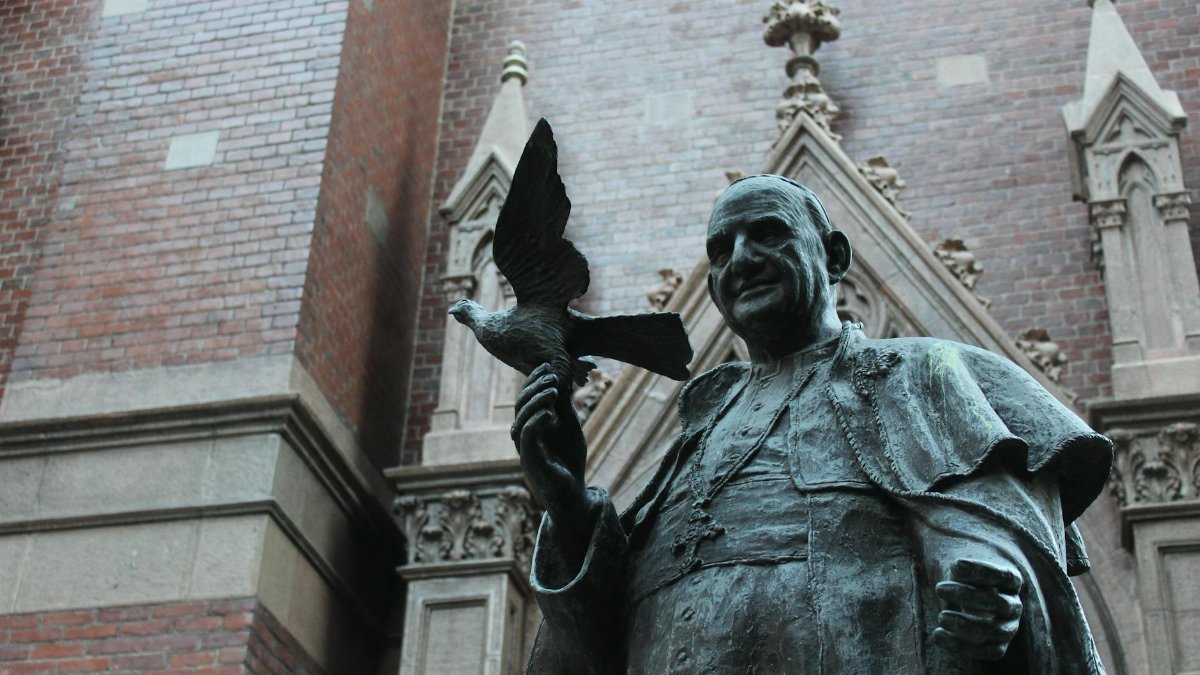
The audience with Pope Francis carries symbolic weight that extends beyond traditional state visits. In a nation where the Catholic Church has played a significant role in both spiritual life and social advocacy the popes engagement could lend moral authority to calls for reconciliation. The prime minister hopes to discuss concrete ways the Vatican might support peace initiatives including potential mediation efforts and humanitarian coordination.
Pope Francis has previously expressed concern about the Western Hemisphere focusing attention on migration root causes and the need for global solidarity. His interest in Haiti aligns with a broader pastoral concern for the poorest and most forgotten communities. For the prime minister this meeting offers an opportunity to frame Haitis crisis not merely as a security problem but as a profound humanitarian and spiritual challenge requiring collective response.
The Catholic Churchs Enduring Influence in Haiti
Throughout Haitis history the Catholic Church has maintained a complex yet vital presence. From colonial times through periods of dictatorship to the present day Catholic institutions have provided education health care and moral guidance when state structures faltered. Parishes often serve as centers of community organizing and quiet resistance against despair.
Clergy and lay leaders have repeatedly called for dialogue among warring factions. Some have paid heavy prices for their courage. The prime minister recognizes that any sustainable path forward must engage the moral and organizational resources the Church offers. His conversations at the Vatican will likely explore how international Catholic networks might amplify local efforts at grassroots reconciliation and recovery.
Seeking Moral Authority on the Global Stage
Diplomacy for small nations often depends on leveraging moral arguments alongside political ones. The prime minister has positioned Haitis appeal as a test of the international communitys commitment to preventing state collapse in the Caribbean. By meeting with the pope he adds a spiritual dimension to this appeal hoping to inspire broader engagement from governments and faith based organizations alike.
Previous international interventions have produced mixed results leaving many Haitians wary of outside solutions. The current approach emphasizes Haitian leadership supported by targeted international assistance. The prime minister must walk a fine line between requesting help and preserving sovereignty. His visit to the Vatican reflects a strategy of building diverse alliances rather than depending on any single partner.
What Peace Efforts Could Look Like

Concrete peace efforts under discussion include strengthening a multinational security mission already operating in parts of the country. Additional proposals focus on economic recovery programs that could provide alternatives to gang recruitment. The prime minister has emphasized the need for coordinated action that addresses both immediate security needs and longer term governance reforms.
Faith communities could play important roles in local reconciliation processes. Church led dialogues have shown promise in some neighborhoods where residents have grown tired of endless conflict. By connecting these local initiatives with international support the prime minister hopes to create momentum that builds upon itself. Success will depend on translating high level discussions into meaningful changes felt in daily life.
The Role of the International Community
Global attention spans are short and Haiti has suffered from cycles of intense focus followed by neglect. The prime minister has used his travels to remind partners that instability in Haiti creates ripple effects across the region including migration pressures and illicit trafficking networks. His message combines urgency with a realistic assessment of what can be achieved through sustained rather than sporadic engagement.
Donor nations and multilateral organizations have pledged support but delivery has often lagged. The prime minister seeks to build mechanisms that ensure accountability on all sides. His stop in Miami served partly to thank the diaspora for its consistent contributions while encouraging continued advocacy with American policymakers. These layered diplomatic efforts reflect the complex reality of governing a nation with limited resources but significant symbolic importance.
Hopes for a More Stable Future

Despite the immense difficulties many Haitians and their friends abroad continue to nurture hope for genuine progress. The prime ministers journey from Miami to the Vatican embodies this persistent belief that creative diplomacy and moral leadership might yet open new possibilities. Success will not come through any single visit but through the cumulative effect of persistent effort at every level.
Young Haitians in particular deserve a chance to imagine lives not defined by crisis. The consulate in Miami the audience in Rome and the daily work of governance all form pieces of a larger mosaic. Whether this particular moment will mark a turning point remains uncertain. What is clear is that the search for peace requires both practical action and the deeper reserves of faith and resilience that have sustained the Haitian people through centuries of adversity.