
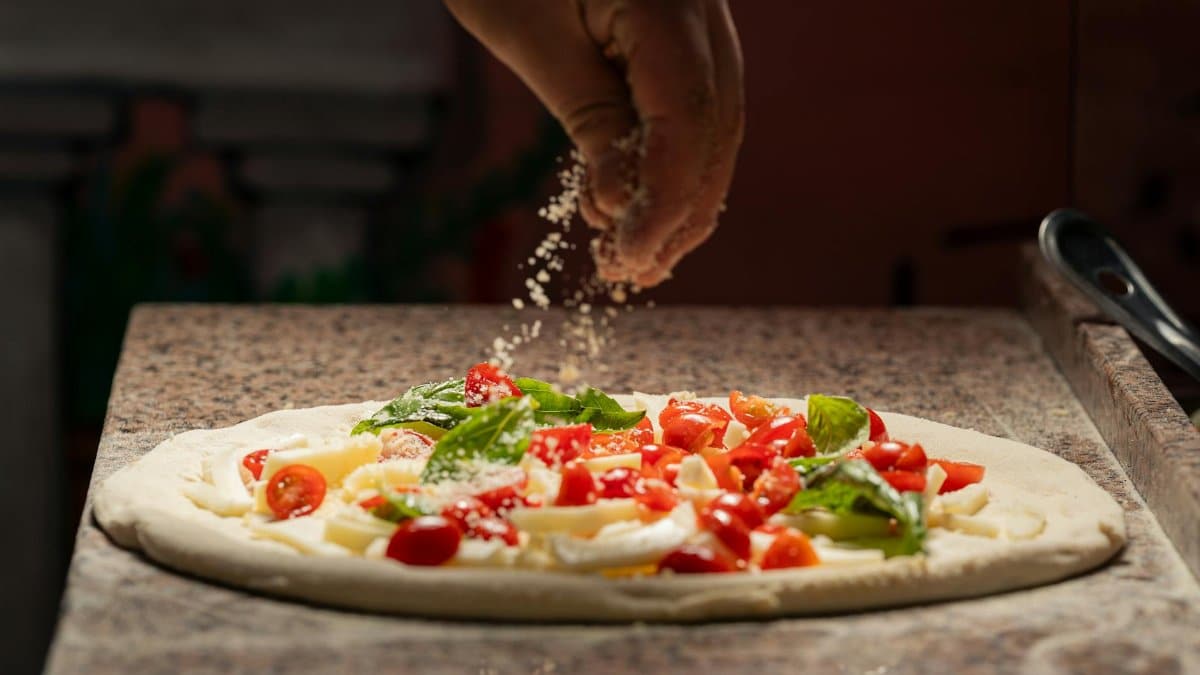
In the suburbs of Long Island a transformation is quietly unfolding. Patrons fill the seats of inviting new restaurants where the scent of wood fired ovens and melting cheese creates an atmosphere of warmth and familiarity. This pizzeria chain expands at a notable pace bringing with it not only delicious pies but also a renewed sense of community that many residents did not realize they were missing. For middle aged Long Islanders juggling work and family obligations these spots offer more than sustenance. They provide a space for conversation connection and even a touch of reflection amid the daily rush. What began as a single venture now stretches across multiple towns blending old world recipes with ingredients grown nearby. The result feels less like commercial growth and more like the revival of something essential to human experience.
Tracing the Chain’s Humble Beginnings

The founders two brothers raised in an Italian American household in Queens carried forward recipes from their grandmother who insisted that every meal told a story. Their first shop opened in a modest storefront in Patchogue during the uncertain months of the early pandemic. Rather than cutting corners they invested in a massive brick oven and sought out local suppliers for flour tomatoes and herbs. Word spread quickly through neighborhood networks. Customers returned not only for the food but for the feeling of stepping into a place that cared about its craft. That original location remains the spiritual heart of the operation where new employees still train and the brothers occasionally greet guests at the counter. The deliberate pace of their early decisions set the foundation for everything that followed allowing the business to grow without losing its identity.
Signature Pies That Capture Local Tastes
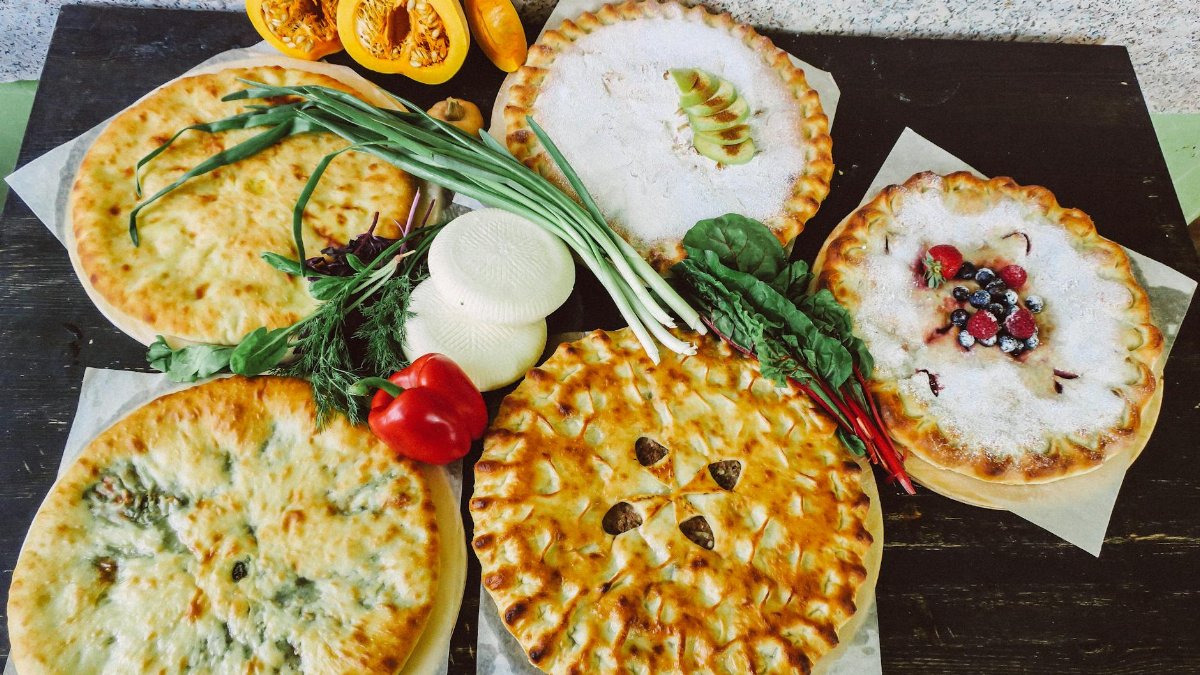
Each location features a core menu built around pies that highlight Long Island produce. Sweet corn from Riverhead finds its way onto a summer special alongside fresh basil and aged balsamic. In autumn butternut squash from local farms pairs with sausage made by a butcher in Huntington. The dough itself undergoes a slow fermentation process that yields a crust both airy and crisp. Cheeses come from small dairies in upstate New York rather than industrial suppliers. These choices reflect more than marketing strategy. They represent a philosophy that good food connects people to the land and to each other. Diners frequently comment that the flavors remind them of childhood trips to Italian markets or backyard gatherings where neighbors brought their best dishes. This attention to regional character has proven especially resonant with an audience seeking authenticity in an increasingly homogenized food landscape.
Strategic Growth Across Long Island Communities

As the pizzeria chain expands it chooses locations with care avoiding crowded commercial strips in favor of neighborhood corridors where residents already gather. New shops have opened in Rockville Centre Port Jefferson and Commack each designed to match the character of its surroundings. The Rockville Centre outpost features large windows overlooking a busy main street while the Port Jefferson site sits near the harbor allowing for views of boats between bites. Rather than blanket advertising the company relies on partnerships with local youth sports leagues and farmers markets. This measured approach has helped the business earn trust before the first pie is served. Expansion remains funded internally which allows decisions to remain rooted in the original values rather than investor demands. The result is a chain that feels distinctly local even as it spreads.
Creating Spaces for Meaningful Gatherings
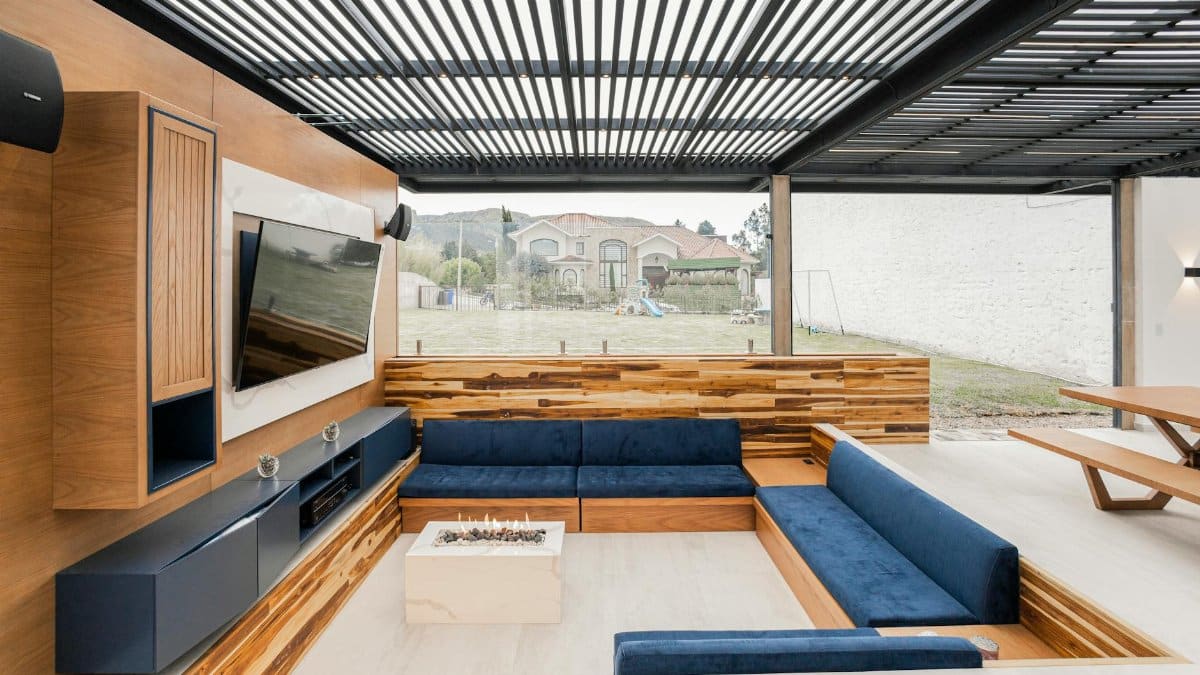
Interior designs avoid the bright lights and hard surfaces common in many quick service restaurants. Instead soft lighting communal tables and comfortable seating encourage patrons to linger. Some locations include small libraries of used books or chalkboards where customers can leave notes of gratitude. These elements emerged from listening sessions the owners held with community leaders before breaking ground. The message was consistent: people wanted places to reconnect after years of isolation. In response each new site includes areas suitable for everything from first date conversations to book club meetings. On weekday evenings the gentle hum of conversation often replaces background music creating an environment where relationships can deepen naturally. For many middle aged visitors these spaces have become weekly rituals as important as any formal spiritual practice.
The Spiritual Appeal of Communal Dining
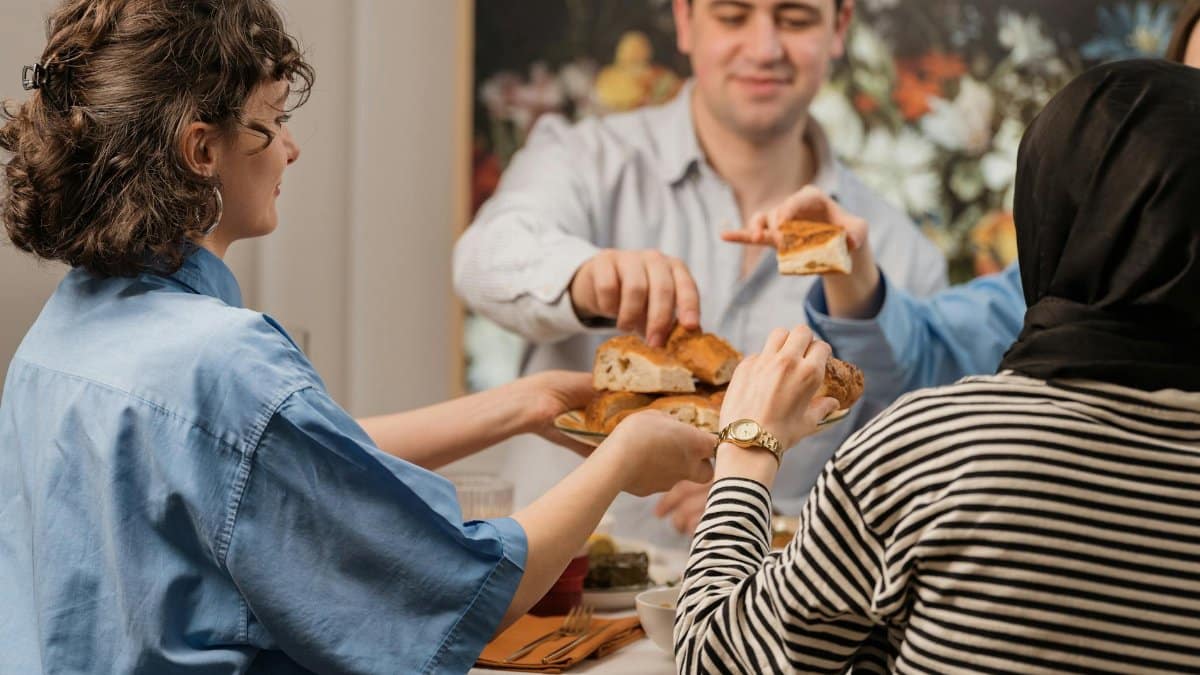
Throughout history shared meals have served as fundamental expressions of human connection and gratitude. The success of this pizzeria chain expands upon that ancient truth in contemporary form. In an age when many adults report feeling increasingly isolated these restaurants offer low pressure environments where genuine interaction occurs organically. Regulars speak of the comfort that comes from seeing familiar faces behind the counter or sharing a large pie with neighbors they might otherwise never meet. Some locations have begun hosting simple events such as gratitude circles before closing or storytelling nights that draw participants from diverse backgrounds. These gatherings do not announce themselves as spiritual yet they fulfill many of the same needs once met primarily in houses of worship or community centers. The act of breaking bread together remains one of the most reliable ways humans remind each other of their common humanity.
Sourcing Ingredients with Care and Purpose

Supply chains receive as much attention as the recipes themselves. The company maintains relationships with over twenty local farms and producers ensuring that ingredients arrive at peak freshness while supporting the regional agricultural economy. Tomatoes are harvested at dawn and delivered the same day. Herbs grow in small plots tended by the owners themselves at certain locations. This commitment extends to packaging and waste reduction with compostable materials used whenever possible. Staff receive education about the origins of what they serve allowing them to speak knowledgeably with customers. The approach resonates with a demographic that has grown more conscious about the environmental and social impact of their choices. By treating sourcing as a moral as well as practical matter the chain aligns itself with broader cultural shifts toward mindful consumption that carry their own spiritual weight.
Stories from Regular Patrons

Sarah Thompson a teacher from Huntington has visited her local branch every Thursday for two years. What began as a convenient dinner option evolved into something more significant after she lost her husband. The staff learned her name and her usual order. Other regulars began saving her a seat at the large center table. Their quiet kindness helped her reengage with the world. Similar accounts emerge from different towns. A group of retired men in Commack meets weekly to split pies and discuss current events. Young parents in Rockville Centre credit the restaurant with helping their children overcome picky eating habits while providing the adults with much needed adult conversation. These personal narratives reveal how the business success rests not merely on food quality but on the emotional resonance the spaces create. The pizzeria chain expands because it meets needs that extend far beyond hunger.
Overcoming Obstacles in a Competitive Market

Long Island already claims some of the best pizzerias in the country creating a high bar for any newcomer. The chain has faced skepticism from longtime residents loyal to established favorites. Early reviews occasionally criticized portion sizes or prices which sit slightly above average. Rather than engage in public disputes the owners responded by doubling down on transparency inviting critics to tour their kitchens and meet suppliers. Over time many initial doubters have become regular customers. Labor shortages presented another challenge particularly in finding staff members willing to learn the nuances of proper dough handling and oven management. The company addressed this by offering higher than average wages and comprehensive training programs that emphasize respect and craftsmanship. These efforts have resulted in unusually low turnover and a workforce that genuinely seems to enjoy its role.
Innovations That Set It Apart

While remaining faithful to tradition the menu includes thoughtful updates. A gluten free crust developed with a local mill maintains impressive texture. Seasonal rotations ensure that no two visits feel exactly alike. One location recently introduced a fermentation station where customers can watch dough being prepared and learn basic techniques during weekend workshops. These educational touches transform dining from passive consumption into active participation. Beverage selections focus on small batch wines and non alcoholic options crafted with equal care. Even the packaging reflects innovation with clever folding boxes that keep pies hot without becoming soggy. Such details demonstrate respect for customers time and experience. They also reflect a belief that excellence in small things contributes to a greater sense of well being that patrons carry with them after leaving.
What Lies Ahead for This Rising Chain

As the pizzeria chain expands further plans call for two additional locations within the next eighteen months while maintaining the deliberate pace that has served it well. Discussions about crossing into Queens or even Manhattan remain preliminary and focused on preserving core identity. The brothers speak of eventually creating a foundation that would support culinary education in public schools emphasizing both practical skills and the social importance of shared meals. Community feedback will continue shaping decisions with regular listening sessions built into the operational calendar. For an audience that has witnessed countless corporate chains prioritize growth over substance this model offers encouragement. It suggests that businesses can scale successfully while deepening rather than diluting their original purpose. In doing so they address not only appetites but also the quiet hunger for connection that many middle aged Americans feel in their daily lives.
The story of this Long Island expansion ultimately transcends pizza. It reflects a cultural moment when people seek out experiences that nourish body mind and spirit simultaneously. In choosing fresh local flavors and creating spaces designed for human connection the chain has tapped into something larger than any single business. As more locations open their greatest contribution may prove to be the reminder that sometimes the most profound spiritual experiences happen in the most ordinary settings around a simple meal shared with others. The warm glow of those ovens continues to draw people in week after week not merely for dinner but for the sense of belonging that accompanies it.