
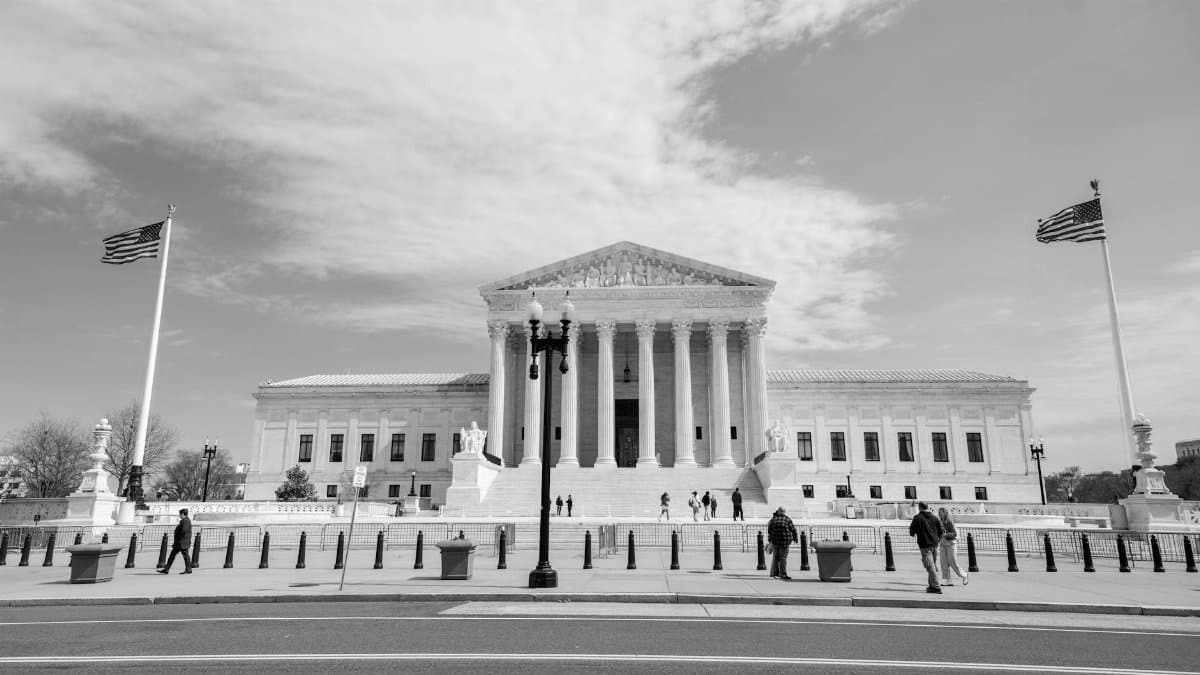
In the hushed atmosphere of the states highest court justices delivered a verdict that reverberates far beyond the legal community. The Washington Supreme Court has upheld the new income tax Washington on its highest earners rejecting challenges that sought to dismantle the measure before it could fully take effect. This outcome safeguards funding for public education and other critical services at a time when many communities face budget shortfalls. Observers note that the ruling reflects a growing recognition of the need for tax policies that better reflect ability to pay. For families across the state this decision could mean smaller class sizes better equipped schools and expanded access to higher education opportunities. The implications extend to the very fabric of how the state values its residents and allocates resources for the common good.
The Historic Court Decision
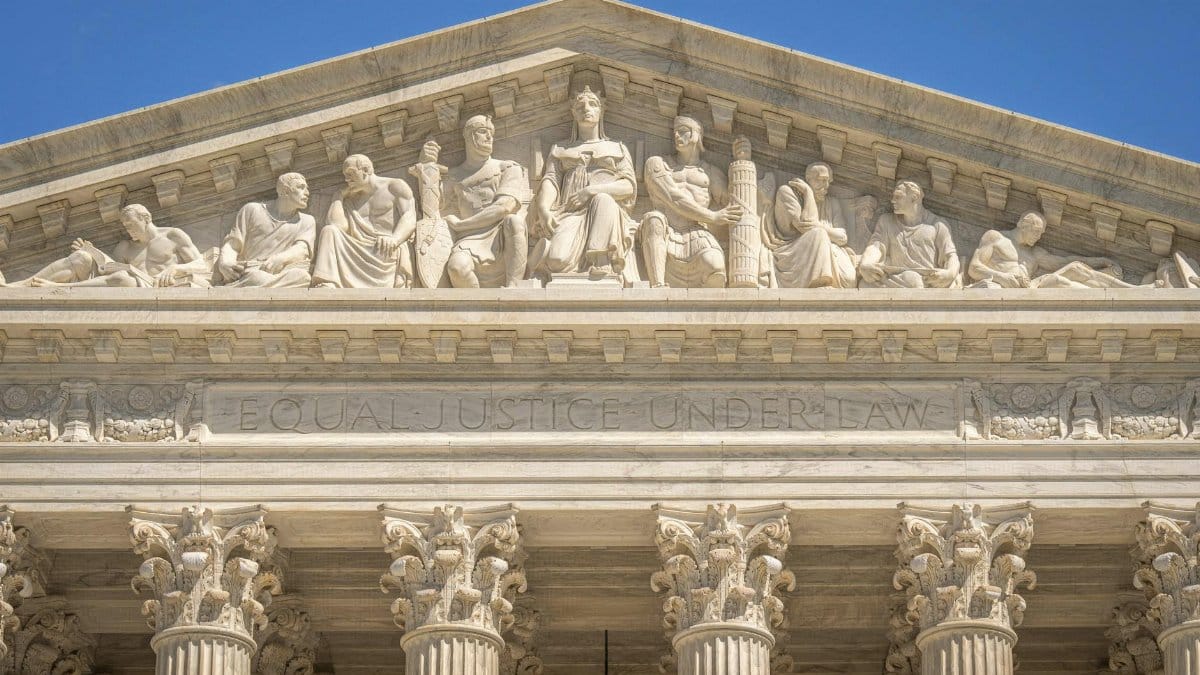
The Washington Supreme Court issued its opinion with clarity and conviction bringing to a close a chapter of intense legal wrangling. Justices determined that the referendum attempt did not meet the necessary criteria to appear on the ballot. This effectively ends one pathway for opponents to repeal the tax. The ruling emphasizes the distinction between an income tax and the excise tax structure adopted by lawmakers. By focusing on realized capital gains above a certain threshold the tax targets only the most substantial profits from investments. Court documents highlight that this approach does not run afoul of constitutional prohibitions. As reported by the Seattle Times the decision reinforces the legislatures authority in crafting revenue measures. Legal scholars have praised the opinion for its careful navigation of complex statutory language. This outcome provides much needed certainty for state budget planners who can now count on this revenue stream for years ahead.
Origins Of The New Tax
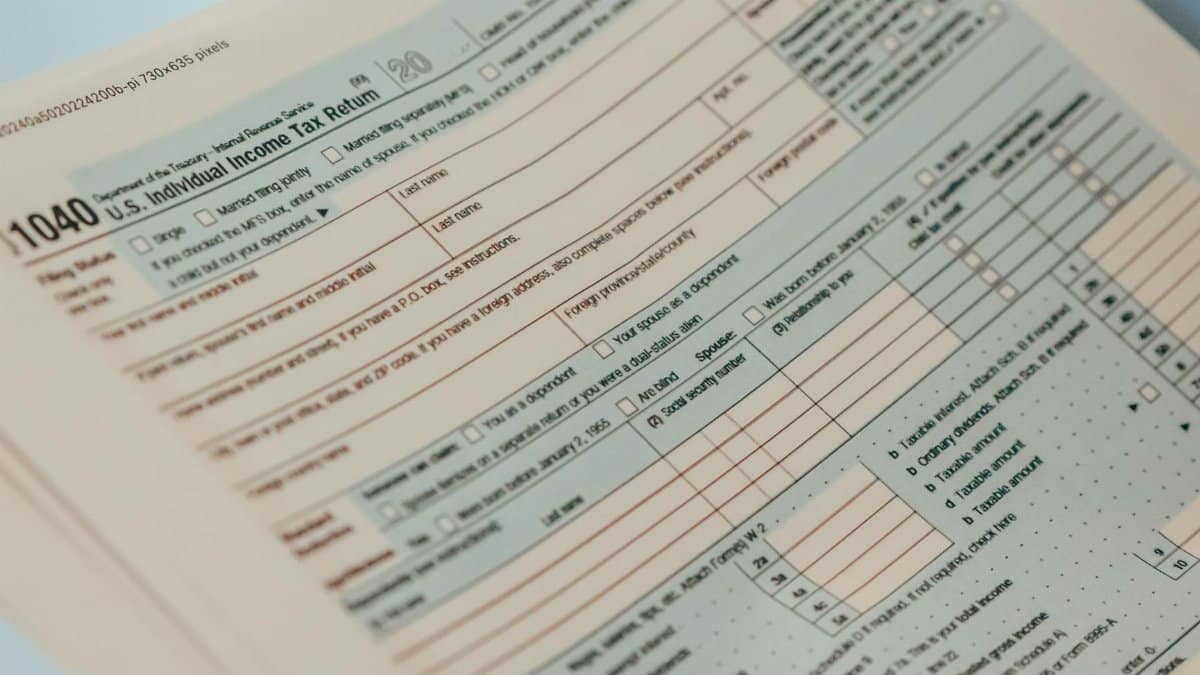
Efforts to introduce this form of taxation in Washington date back several years. Lawmakers and activists grew frustrated with a system that relied heavily on sales taxes and property taxes which disproportionately burden lower and middle income residents. The new measure applies to annual capital gains exceeding two hundred fifty thousand dollars at a rate of seven percent. Proponents argued that this would generate hundreds of millions of dollars each year dedicated primarily to education initiatives and other public needs. The legislation emerged from a special session and survived initial court challenges with strong backing from progressive groups. Grassroots campaigns played a significant role in building public support for the concept even if the final version came through legislative channels rather than a ballot initiative. This history reveals deep seated discontent with the states previous approach to raising revenue one that often left essential services underfunded despite the presence of substantial private wealth.
Legal Arguments That Were Rejected

Opponents contended that the tax was in reality an income tax by another name and thus unconstitutional under the states foundational document. They also raised concerns about the potential for double taxation and the deterrent effect on business investment and innovation. However the Supreme Court found these arguments unpersuasive after careful review of precedent and statutory intent. The justices referenced previous cases that allowed for excise taxes on specific activities or transactions without violating broader restrictions. In this instance the tax is triggered by the sale of assets rather than the mere possession of wealth or unrealized gains. This nuanced interpretation proved decisive in upholding the measure. Additionally claims that the referendum signatures were improperly collected were substantiated leading to the disqualification of that effort. These rejections underscore the high bar set for overturning legislative actions in the state and affirm the careful drafting by lawmakers.
Securing Funds For Public Schools

At the core of this debate lies the urgent need to fund public education adequately across diverse communities. Washington has faced lawsuits over its failure to meet constitutional requirements for basic education prompting years of negotiation and compromise. The income tax Washington now secures is expected to alleviate some of these pressures by providing stable funding for kindergarten through twelfth grade programs as well as early childhood education and financial aid for college students. School districts in rural areas and those serving high numbers of low income students stand to benefit the most from these resources. Education advocates have expressed relief at the courts decision noting that it prevents a potential budget crisis that could have harmed an entire generation of learners. Without this revenue many important programs would have required cuts or additional levies on local property owners already stretched thin. This allocation reflects a commitment to investing in the next generation and building a stronger foundation for long term prosperity.
Perspectives From Wealthy Residents

Reactions among high earners have been mixed with some embracing the civic duty involved. Several prominent business figures have publicly supported the tax citing their own belief in contributing to the states wellbeing and shared infrastructure. Others have been more critical suggesting that it could prompt relocation to states without such levies on investment income. A few high profile individuals have already adjusted their financial strategies in anticipation of the change. Yet many observers point out that Washington remains an attractive place to live due to its vibrant economy natural beauty and lack of traditional income tax for most residents. The threshold ensures that only those with significant investment income are affected leaving the vast majority of citizens untouched by the new obligation. This selective approach aims to balance the need for revenue with economic competitiveness and continued growth.
Community Support For The Measure

Broad segments of the population have welcomed the courts affirmation of the income tax Washington. Labor unions teachers associations and social service providers view the tax as a step toward greater economic justice and opportunity for all. Polls conducted prior to the ruling showed majority support among likely voters for taxing capital gains at higher rates to address inequality. Community organizers emphasize that the funds will help address homelessness expand healthcare access and improve infrastructure in underserved neighborhoods. This widespread backing illustrates a shift in public sentiment regarding the role of government in redistributing resources responsibly. For many the decision represents validation of years of advocacy and organizing at the local level across faith groups and civic organizations. It also highlights the power of collective action in shaping state policy that serves the broader public interest.
Viewing Taxation Through A Spiritual Prism

From a spiritual perspective this development invites reflection on principles of stewardship justice and care for ones neighbor found across many traditions. Many faith communities including Christian Jewish Muslim and interfaith groups have spoken in favor of the tax drawing on sacred texts that call for societies to protect the poor and prioritize the education of children. They see the policy as an expression of moral responsibility rather than mere economic calculation aligning with values of compassion and equity that transcend political divides. In an era of increasing inequality such measures can be seen as aligning with higher calls for social healing and communal solidarity. Spiritual leaders have described the ruling as a modest but meaningful move toward correcting imbalances that harm the most vulnerable. This spiritual dimension adds depth to what might otherwise appear as a dry policy debate offering a framework for understanding the human impact of fiscal choices. As spiritual news and trends evolve around economic justice this case stands out as one where policy and principle converge offering hope that governance can reflect deeper ethical commitments.
Effects On Middle Class Households

Middle class households are unlikely to pay the tax directly yet they stand to gain indirectly through improved public services and greater stability. Lower property tax burdens could result if the new revenue reduces pressure on local levies that often fall hardest on homeowners of modest means. Enhanced school funding may lead to better educational outcomes for children from ordinary families enabling brighter futures and stronger communities. Additionally the economic activity generated by these investments can create jobs and stimulate local businesses in sectors from construction to technology. Critics sometimes argue that all taxes eventually affect everyone but in this case the targeted nature minimizes direct impact on working families striving to get ahead. Many in this demographic have expressed optimism that the decision will contribute to a more balanced and sustainable economic environment in the state where opportunity is not limited by zip code or income bracket.
Lessons From Other States

Washington joins a number of other states that have implemented higher taxes on capital gains or income for top earners with varying degrees of success. California Oregon and New York offer examples of systems that rely more heavily on progressive taxation to support robust public services. These states often boast stronger social safety nets and higher levels of public investment though they also face challenges with high costs of living. For further reading on these comparative approaches see the analysis from the Institute on Taxation and Economic Policy at itep.org. Washington can learn from both the successes and pitfalls observed elsewhere as it implements and monitors this new approach. The experiences of these states suggest that careful design and transparent allocation of funds are essential to sustaining public confidence over time.
Future Policy Directions

With this legal victory secured lawmakers may consider expanding the tax or adjusting its parameters in coming sessions based on actual revenue performance. There is discussion about lowering the threshold or increasing the rate to address ongoing budget needs in areas such as climate resilience and healthcare. However any changes would likely face fresh legal scrutiny and political opposition from business interests. The ruling also opens the door for broader conversations about comprehensive tax reform in Washington that could modernize the entire revenue structure. Experts suggest that a more thorough overhaul could replace the current patchwork system with one that is simpler fairer and better suited to contemporary economic realities. For now the focus remains on effective implementation and transparent use of the new funds to maintain public trust. The coming months and years will reveal how this decision influences both state politics and resident attitudes toward government responsibility and shared prosperity.