
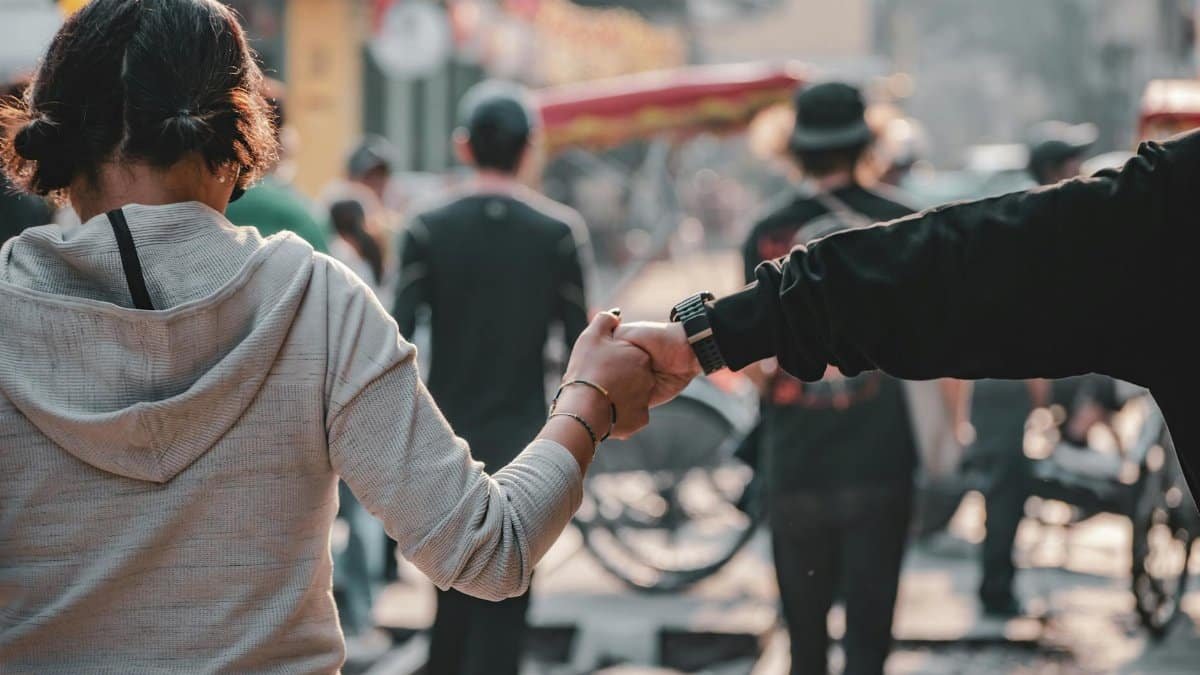
In the aftermath of unimaginable loss in Rwanda survivors gathered in circles to face those who had caused them pain. Rather than seeking revenge they chose a different path. This choice reflects a growing understanding worldwide of how releasing resentment can transform lives. The Forgiveness Benefit World encompasses these positive effects that ripple outward from the individual to families communities and even nations. From bustling cities in Asia to rural villages in Africa the pattern holds. People who learn to forgive often experience greater peace and stronger connections with those around them. Scientists have taken notice conducting studies that measure these outcomes in different cultural contexts. What they find challenges the notion that holding onto anger provides any lasting protection or justice. Instead the data suggests forgiveness serves as a foundation for healthier societies.
Tracing the Roots of Forgiveness Across Civilizations

Forgiveness has deep roots in human history. Early civilizations recognized its power to maintain social order. In ancient Egypt pharaohs sometimes granted clemency to unify their kingdoms. Greek philosophers debated the merits of mercy versus justice. These early discussions laid groundwork for later religious and ethical frameworks that continue to influence billions of people today.
Indigenous cultures around the globe developed sophisticated practices for restoration after harm occurs. Many native communities in North America and Australia focus on healing relationships rather than punishing offenders. Such approaches prioritize the wellbeing of the group. They demonstrate that forgiveness can serve practical purposes beyond the emotional realm. Modern researchers draw inspiration from these traditions when designing interventions for contemporary problems. The continuity of these ideas across time and geography suggests forgiveness addresses fundamental aspects of human coexistence.
The Psychological Advantages Backed by Research
Psychologists have accumulated substantial evidence regarding the mental health effects of forgiveness. Those who forgive report reduced symptoms of depression and anxiety. They also describe higher levels of life satisfaction. These benefits appear consistent across different age groups and socioeconomic backgrounds. For people in their middle years who may carry decades of unresolved conflicts the implications are particularly relevant.
One notable project at the Greater Good Science Center explores these dynamics in depth. Their work reveals that forgiveness correlates with better emotional regulation and increased empathy. Readers can explore the details at https://greatergood.berkeley.edu/article/item/how_does_forgiveness_benefit_people_around_the_world. The findings contribute to what experts refer to as the Forgiveness Benefit World a framework for understanding global patterns in human behavior. This research moves beyond anecdotal accounts to provide measurable insights that inform both clinical practice and public policy.
Physical Health Improvements Linked to Forgiving Others

The advantages extend beyond the mind into the body. Chronic anger and resentment can elevate blood pressure and weaken immune function. In contrast forgiveness appears to lower stress hormones leading to better cardiovascular health. Studies involving participants from multiple countries confirm these physical gains. Medical teams observe improvements in sleep quality and inflammation markers among those who complete forgiveness interventions.
Medical professionals now consider forgiveness an important factor in overall wellness. Patients who practice it often recover more quickly from various conditions. This connection between emotional release and bodily health adds another dimension to the growing interest in forgiveness as a public health issue. For middle aged adults managing accumulated stress from careers and family responsibilities these findings offer a compelling reason to examine long held grudges.
Forgiveness as a Tool for Social Healing in Divided Nations

Post conflict societies offer some of the most compelling examples of forgiveness at work. In South Africa the Truth and Reconciliation Commission provided a platform for victims and perpetrators to share their stories. Many participants found that acknowledging pain opened doors to forgiveness and eventually to coexistence. The commission did not eliminate all tensions yet it created space for a new national narrative based on shared truth rather than continued division.
Similar processes have unfolded in Rwanda where community courts known as gacaca facilitated thousands of reconciliations. These efforts have helped the country move forward despite the immense challenges. Such cases illustrate how the Forgiveness Benefit World operates on a societal scale creating conditions for peace and stability. Colombia has witnessed comparable movements as former combatants and victims engage in dialogue supported by government and civil society organizations. The accumulated experiences from these nations demonstrate that forgiveness can function as a strategic element in peacebuilding rather than merely a private emotional choice.
How Different Faiths Embrace the Concept of Mercy

Religious traditions worldwide place significant emphasis on forgiveness. Christianity teaches followers to turn the other cheek and forgive those who trespass against them. Islam encourages believers to be merciful as a reflection of divine compassion. Buddhism promotes letting go of attachments including grudges that cause suffering. Judaism offers structured periods for reflection and atonement that facilitate relational repair.
These teachings share common ground even as they arise from distinct theological foundations. Spiritual leaders often serve as guides helping their communities apply these principles in daily interactions. Their efforts reinforce the universal appeal of forgiveness as both a personal virtue and a social necessity. Interfaith initiatives increasingly highlight these overlapping values creating bridges between communities that once viewed each other with suspicion. The spiritual dimension frequently provides the motivation that sustains forgiveness when psychological or social incentives fall short.
Stories from Individuals Who Changed Their Communities
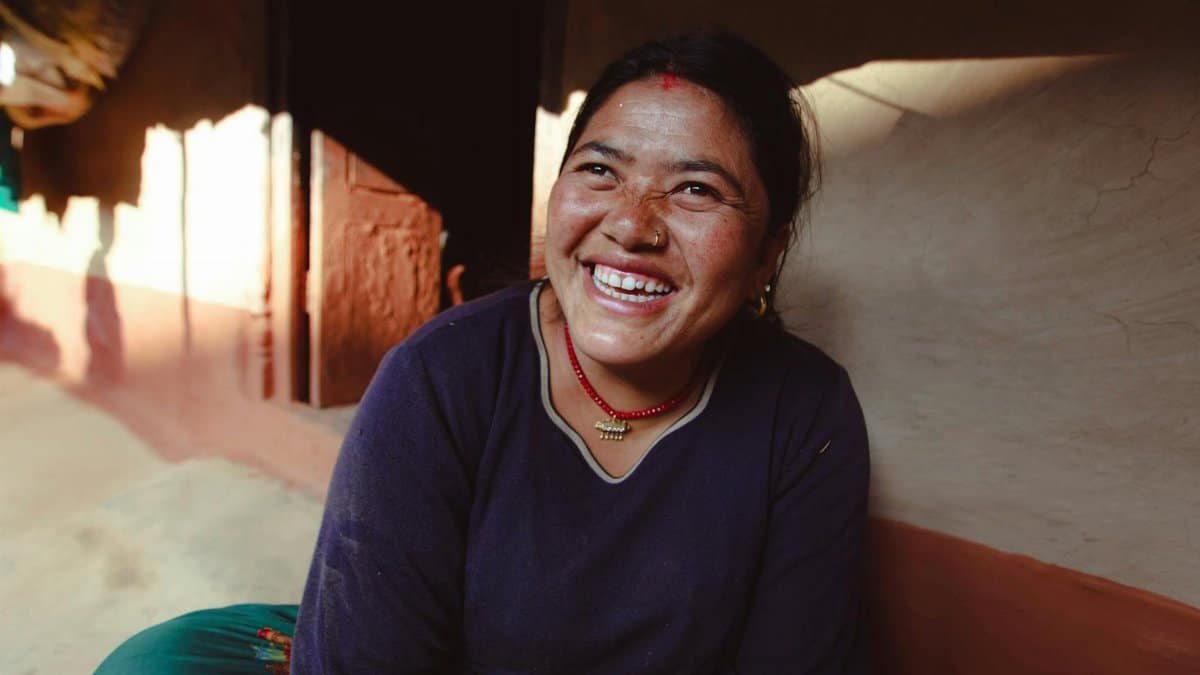
Personal narratives bring the abstract benefits into sharp focus. Consider the example of a woman in Colombia who lost family members to armed conflict yet chose to meet with former combatants. Her courage inspired others in her village to pursue dialogue instead of continued hostility. Gradually trust began to return to the region as former enemies collaborated on infrastructure projects and youth programs.
In the Middle East parents who lost children to violence have formed groups dedicated to reconciliation. Their work demonstrates that forgiveness can emerge even in the most difficult circumstances. These individuals do not claim that forgiveness erases pain. Rather they show how it can coexist with grief while preventing further cycles of retaliation. Their stories add human depth to the scientific data on the Forgiveness Benefit World. Similar accounts emerge from Northern Ireland where former paramilitaries now work together to steer young people away from violence. These examples reveal the transformative potential when ordinary people decide to break longstanding patterns of resentment.
Barriers That Prevent People from Forgiving

Despite the clear advantages many people struggle to forgive. Deep wounds betrayal of trust and cultural norms that value retribution all create obstacles. Some worry that forgiveness implies acceptance of wrongdoing or weakness on their part. Others fear that extending mercy might expose them to further harm or signal to offenders that consequences do not matter.
Education plays a key role in addressing these concerns. When individuals learn that forgiveness benefits the forgiver as much as the forgiven they often become more open to the idea. Support from counselors and community leaders can make the process less daunting. Cultural narratives that equate forgiveness with strength rather than surrender help shift public perception. Overcoming these barriers represents an important step toward realizing the full potential of the Forgiveness Benefit World. Progress requires patience and realistic expectations about the nonlinear nature of emotional healing.
Methods to Develop a Forgiving Mindset in Daily Life

Fortunately forgiveness can be cultivated through deliberate practice. Simple techniques such as reflective journaling and guided meditation have shown promise in multiple studies. Empathy exercises that encourage people to consider the perspective of those who caused harm also prove helpful. Writing unsent letters that express hurt and then articulate release offers another avenue for processing complex emotions.
Communities have developed workshops and programs tailored to local needs. These initiatives teach practical skills for letting go of resentment. Participants often report immediate relief along with longer term improvements in their relationships. The accessibility of these methods means that anyone can begin to explore the advantages of forgiveness regardless of their background or past experiences. Consistency matters more than intensity. Small daily choices to release minor irritations prepare the ground for addressing larger grievances when they arise.
The Collective Impact on Global Wellbeing

When large numbers of people embrace forgiveness the effects compound. Reduced conflict leads to more resources for education and development. Stronger social bonds create networks of support that enhance resilience during times of crisis. Nations that foster a culture of forgiveness tend to enjoy higher levels of trust among citizens which correlates with better economic outcomes and civic engagement.
This collective dimension forms a crucial part of the Forgiveness Benefit World. It suggests that individual acts of mercy contribute to something much larger than personal satisfaction. They help shape societies that are more equitable and peaceful. As globalization brings different cultures into closer contact these skills become increasingly valuable. International organizations have begun incorporating forgiveness education into conflict prevention strategies recognizing its power to address root causes of instability.
Looking Ahead Toward a More Compassionate Future

The path forward involves continued research and education. Scientists policymakers and spiritual leaders all have roles to play in promoting forgiveness as a core human capacity. Schools could incorporate lessons on emotional intelligence and conflict resolution from an early age. Media outlets might highlight successful examples of reconciliation rather than focusing exclusively on division. Technology platforms could develop tools that facilitate structured dialogue across divides.
Ultimately the choice to forgive rests with individuals. Yet the evidence is clear that doing so yields benefits that extend far beyond the personal realm. By understanding and applying these insights people around the world can contribute to a future marked by greater understanding and harmony. The growing body of knowledge around the Forgiveness Benefit World offers both hope and practical guidance for achieving that vision. What emerges is not a naive expectation that all conflicts will vanish but a realistic appreciation for the tangible improvements that accumulate when communities commit to this difficult yet rewarding practice.