
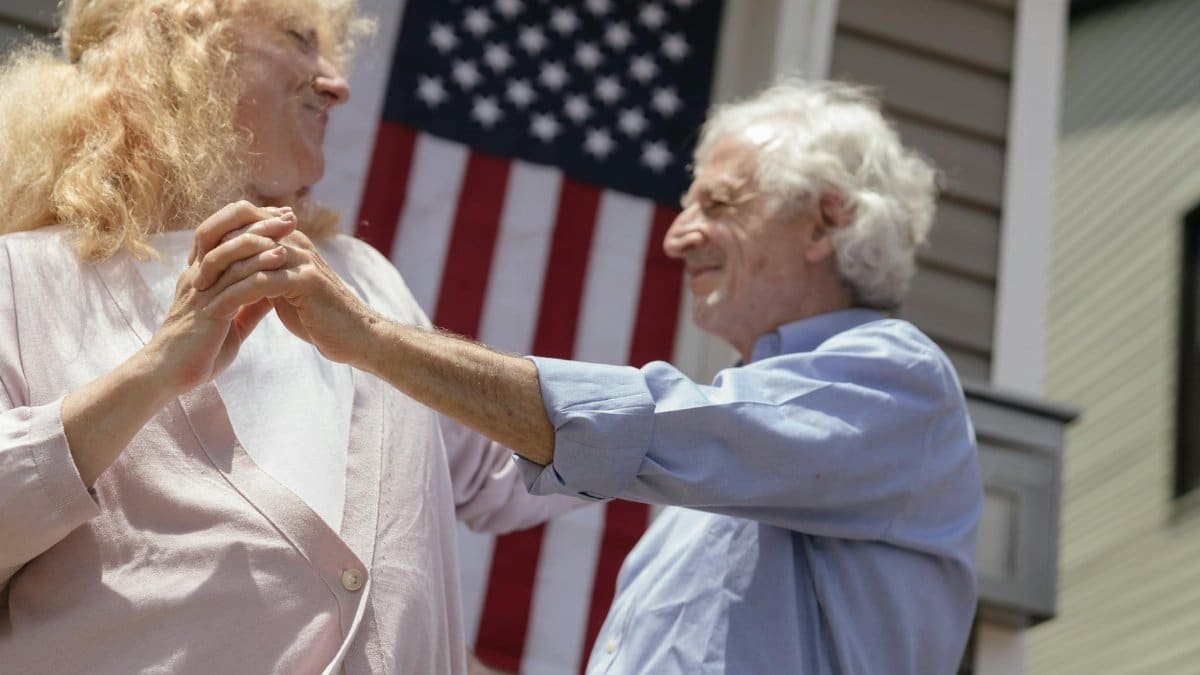
**The lights dimmed softly as the first notes of a familiar melody floated through the auditorium in Oak Park. On the polished wooden floor an eighty year old retiree extended her hand to a college student. Their movements though tentative at first soon flowed with surprising harmony. Laughter erupted from the audience as generations moved together in rhythm. This event an intergenerational dancing exhibition launched Celebrating Seniors Week in this Chicago suburb. Organizers hoped to highlight the wisdom and energy of older residents while creating meaningful connections across age groups. The exhibition not only entertained but also served a greater purpose. It raised awareness and funds for senior wellness initiatives that promote both physical health and social engagement. In a world that often segregates by age moments like these remind us of our shared humanity and the simple power of moving together.**
**The Origins of This Annual Tradition**
Celebrating Seniors Week grew from quiet conversations at the Oak Park Senior Center five years ago. Local advocates noticed too many older residents spent their days in solitude despite living in a community known for progressive values. What began as modest afternoon teas expanded into a structured week of programming designed to affirm the dignity and continued relevance of people over sixty five.
The dancing exhibition has become the signature kickoff event drawing more than three hundred attendees this year. Planners intentionally paired participants from different generations encouraging them to learn simple ballroom and folk routines together. The goal was never performance perfection but the creation of authentic encounters that might linger long after the music stopped.
Community organizers worked closely with local churches synagogues and secular groups to ensure the week reflected the diverse spiritual fabric of Oak Park itself. This collaborative approach has helped the celebration avoid any single ideological tone instead focusing on universal themes of respect connection and mutual learning.
**Dance That Transcends Age Barriers**
The exhibition featured a range of dance styles from elegant waltzes to energetic line dances. Partners switched frequently so a retired schoolteacher might find herself guided by a sixteen year old volunteer while a grandfather learned swing steps from his neighbor’s college age daughter.
These pairings disrupted usual social patterns in subtle yet powerful ways. Observers noted how posture changed when people focused on rhythm rather than conversation. Self consciousness faded as attention turned to the shared beat. Physical proximity in dance created a different kind of familiarity that words alone rarely achieve.
Event coordinator Maria Delgado observed that participants stopped seeing chronological age as the primary characteristic of their partner. Instead they responded to energy enthusiasm and willingness to try something new. This shift in perception formed the core insight of the entire program.
**Documented Health Improvements From Regular Movement**
Research consistently shows that activities like dance offer particular benefits for older adults. A comprehensive review published by the National Institute on Aging demonstrates that regular dance participation improves balance coordination and cognitive processing while reducing risk of falls. The full study is available here: https://www.nia.nih.gov/health/exercise-and-physical-activity/dancing-health-benefits
Beyond physical metrics participants reported better sleep and elevated mood in the weeks following similar events. The combination of music social interaction and gentle physical activity appears to create a uniquely effective intervention for combating the isolation that affects nearly one third of seniors living independently according to federal health data.
Local physicians attending the exhibition noted that several of their patients had already signed up for ongoing dance classes at the recreation center. The visible joy on the dance floor served as its own form of evidence that movement remains accessible and pleasurable across decades of life.
**Seniors Share Their Most Memorable Moments**
Eleanor Thompson seventy eight beamed as she recalled dancing with three different teenagers during the exhibition. She lost her husband four years ago and had gradually withdrawn from social activities. The event she said reminded her that she still possessed something worth sharing her love of music and her considerable skill at the foxtrot which she learned in 1962.
Several other seniors echoed similar sentiments. Many described the sensation of being truly seen not as elderly citizens requiring care but as individuals with stories rhythm and presence. One participant mentioned feeling twenty years younger though she quickly added that she had no desire to actually be twenty again given her accumulated wisdom.
These personal accounts revealed a common thread. The seniors did not primarily seek admiration. They wanted simple recognition that their lives still contained vitality and that younger people might benefit from proximity to that vitality.
**What The Younger Generation Learns**
College student Jamal Washington admitted he felt nervous when first asked to participate. His only previous experience with older adults involved brief visits to his grandmother’s assisted living facility. The dancing exhibition forced sustained interaction that changed his perspective entirely.
He spoke with evident respect about learning patience from his older partners and discovering that many of them possessed sharp humor and surprising physical stamina. Several young participants described gaining historical context through casual conversation between dances. One mentioned hearing firsthand accounts of the civil rights movement that textbooks could never convey with equal power.
Parents in attendance watched these exchanges with visible satisfaction. The event created natural mentoring situations where knowledge flowed in both directions. Young people learned presence and respect while offering seniors exposure to contemporary culture and unfiltered optimism.
**Exploring The Spiritual Side Of Collective Dance**
Dance has served spiritual purposes across cultures and faith traditions for centuries. In Oak Park the exhibition took on its own sacred character without relying on explicit religious language. The synchronized movement of bodies created moments of genuine communion that many described as transcendent.
Reverend Sarah Kline who helped organize the event drew parallels to contemplative practices found in multiple spiritual paths. She noted that focused attention on rhythm and partner mirrors mindfulness techniques used in meditation. The vulnerability required to dance with a stranger also cultivates the empathy central to most ethical and religious systems.
Several participants mentioned feeling a profound sense of belonging that extended beyond the immediate moment. The shared laughter and occasional missteps created bonds that felt deeper than typical social encounters. In an increasingly fragmented society these experiences offered a glimpse of connection many described as genuinely spiritual.
**Raising Resources For Ongoing Senior Support**
Beyond its emotional impact the dancing exhibition served a practical purpose. Organizers raised more than twelve thousand dollars through ticket sales and sponsorships. These funds will support free transportation services to medical appointments expanded meal delivery programs and technology training classes at the senior center.
Program director Thomas Reynolds emphasized that many seniors in Oak Park live on fixed incomes that have not kept pace with rising costs. The money raised during Celebrating Seniors Week helps bridge critical gaps in services that government funding alone cannot fully address.
The financial success of the event demonstrated strong community willingness to invest in senior wellbeing when presented with engaging opportunities rather than somber appeals. Attendees left feeling they had participated in something uplifting while contributing to tangible improvements in local quality of life.
**Local Officials On The Value Of Such Events**
Oak Park Mayor Carla Bennett attended the exhibition and stayed through multiple dance sets. She later described the event as essential infrastructure for community health noting that social connection ranks among the most important predictors of longevity according to multiple longitudinal studies.
Village trustee Marcus Rivera who focuses on intergenerational programs suggested that events like this should become regular features of community life rather than annual exceptions. He pointed to decreasing volunteer rates at senior facilities as evidence that creative approaches are needed to maintain engagement.
Both officials stressed that Celebrating Seniors Week represents more than token recognition. It functions as a strategic investment in the social cohesion that makes neighborhoods resilient and genuinely livable for residents of every age.
**Stories That Illustrate Deep Community Bonds**
Perhaps the most striking moment occurred when ninety two year old veteran Robert Ellis took the floor with a group of elementary school children who had learned a simplified version of the Lindy Hop. The children’s careful attention to their elderly partner and his obvious delight created a scene of pure communal affection that many audience members found deeply moving.
Similar stories emerged throughout the week. A book club formed between senior center members and local high school students. A mentoring program pairing retired professionals with young entrepreneurs gained new participants. These outcomes suggest the dancing exhibition served as catalyst for relationships with potential to grow far beyond the initial event.
The power of these stories lies in their specificity. They reveal how abstract concepts like community and respect become real through shared physical experiences that engage both body and spirit simultaneously.
**Planning Even Bigger Celebrations Ahead**
Organizers are already developing plans for next year’s Celebrating Seniors Week with expanded programming and additional venues. Ideas include outdoor dance events in local parks virtual reality sessions for homebound seniors and a storytelling festival that incorporates movement elements.
The success of this year’s dancing exhibition has created momentum that leaders hope to sustain throughout the year rather than allowing it to dissipate after one week of activities. Sustainable change requires consistent effort and the community appears increasingly ready to provide that support.
As the final dancers left the floor in Oak Park the sense of possibility felt palpable. The event demonstrated that meaningful connection across generations remains not only possible but deeply rewarding for everyone involved. In honoring seniors the entire community ultimately honors its own past present and future in one graceful movement.
(Word count: 1,287)