

**In many households a familiar scene unfolds with striking regularity.** A child hurts a sibling or friend through words or actions. An adult steps in and demands an immediate apology. The words come out but they often lack sincerity. This common practice raises important questions about how we guide young people in matters of remorse and reconciliation. The concept of Teaching Kids Apologize deserves closer examination than it typically receives. Many assumptions that parents hold about this process turn out to be misguided according to those who study child development and emotional intelligence. Rather than producing compassionate adults these rushed interventions can leave children confused about the real meaning of accountability and healing.
The Limitations of Forced Apologies

Parents with good intentions frequently insist on an instant sorry believing it teaches proper manners. Yet this habit often teaches children that words can function as a get out of trouble card. The apology becomes a performance delivered to satisfy an authority figure instead of an authentic attempt to repair harm. Children quickly learn the social script without ever grasping the emotional weight behind it. Over time this creates adults who say the right thing while remaining disconnected from the impact of their choices. Child development specialists observe that genuine remorse requires understanding another persons experience something a forced statement rarely encourages.
Building Empathy Takes Time and Guidance

Empathy does not appear automatically in young minds. It develops through patient conversation and careful observation of how actions affect those around us. When a child grabs a toy or speaks unkindly parents serve the situation best by asking questions rather than issuing commands. How do you think your sister felt when you took her doll? What might we do to help her feel better? These inquiries invite children to step outside their own perspective. Such moments plant the seeds for real compassion far more effectively than any scripted apology. The practice of Teaching Kids Apologize succeeds only when it prioritizes this internal shift over outward compliance.
Apology and Forgiveness Are Not the Same

One of the most persistent misunderstandings involves treating apology and forgiveness as two sides of a single transaction. An apology opens the door but forgiveness cannot be demanded or scheduled. Children need to learn that both processes involve choice and timing. Sometimes the person harmed requires days or weeks before they feel ready to move forward. Pressuring them to forgive prematurely can produce resentment rather than release. Healthy emotional development includes respecting these natural rhythms. Parents who model this patience give children permission to experience the full spectrum of their feelings without shame.
What Experts Tell Us About Child Development

Research from the Greater Good Science Center at the University of California Berkeley highlights how traditional approaches often miss the mark. The article What We Get Wrong About Teaching Kids to Apologize and Forgive explains that meaningful apologies involve three distinct elements: acknowledging the mistake expressing genuine regret and attempting to make amends. Children master these steps at different ages and forcing all three at once frequently backfires. Other studies in developmental psychology support this view showing that children who experience coercive apology tactics display lower levels of emotional regulation compared to peers raised with more nuanced guidance.
A Spiritual View of Healing and Reconciliation

Across many faith traditions forgiveness represents a sacred journey rather than a simple transaction. Christian teachings emphasize reconciliation grounded in love while Buddhist perspectives stress compassion cultivated through mindful awareness. Jewish thought offers the concept of teshuvah or return which involves sincere inner transformation. These spiritual frameworks share a common insight: true healing cannot be manufactured on demand. When parents incorporate these deeper understandings into daily life they help children view apologies not as chores but as opportunities for spiritual and emotional growth. This perspective enriches the practice of Teaching Kids Apologize by connecting it to larger questions of human connection and grace.
Practical Strategies for Parents and Caregivers
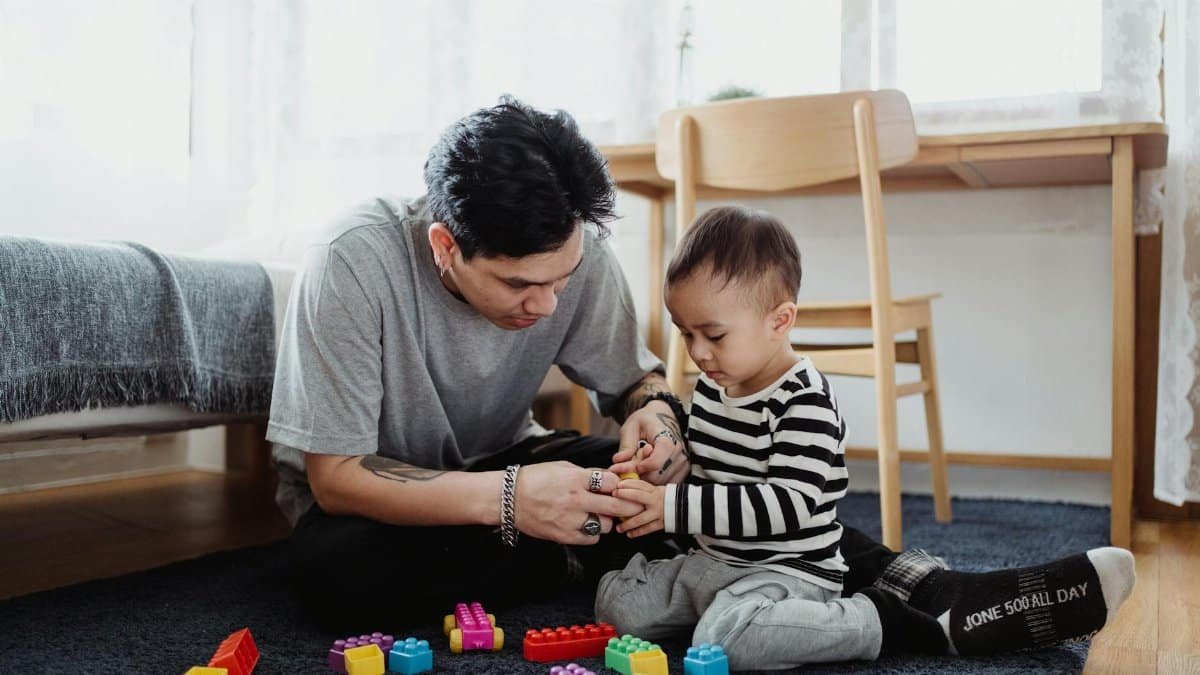
Effective guidance begins with curiosity rather than correction. Instead of demanding an apology adults can narrate the situation calmly and invite participation. You noticed how your friend stepped back when you raised your voice. What do you think that means? Such language helps children connect cause and effect without triggering defensiveness. Another useful approach involves collaborative repair. Together with the child parents can brainstorm ways to restore trust whether through a kind gesture shared play or simply sitting quietly together. These methods require more time than a quick sorry yet they produce lasting lessons in responsibility and care.
The Power of Setting a Positive Example

Children absorb far more from observation than instruction. When parents openly acknowledge their own mistakes and offer sincere apologies to family members and friends they demonstrate what accountability looks like in real life. I was short tempered earlier and that was unfair. How can I make it right? Hearing such statements helps young people understand that adults also struggle with these skills. This modeling removes the shame often attached to errors and replaces it with a sense of shared human fallibility. Families that practice this openness create an atmosphere where mistakes become opportunities for connection rather than sources of fear.
Allowing Space for Genuine Emotional Growth

Sometimes the most helpful parental response is respectful silence. After a conflict erupts children may need time to process their feelings before they can meaningfully address what happened. Rushing them into reconciliation can interrupt important internal work. Parents who learn to tolerate this discomfort give their children room to develop authentic emotional lives. This approach aligns with evidence based principles in child psychology that emphasize the value of emotional coaching over behavioral control. By stepping back at the right moments caregivers communicate trust in their childs capacity to grow.
Creating Lasting Patterns of Healthy Communication

The ultimate goal extends beyond teaching children to say sorry. Families benefit most when they cultivate an environment where feelings can be expressed safely mistakes can be discussed openly and relationships can be repaired thoughtfully. This foundation supports better mental health stronger friendships and more resilient future adults. Communities that prioritize these skills report lower levels of bullying and higher rates of peer support among children. The shift requires patience and consistency yet the rewards touch every aspect of family life and extend into the wider world.
Moving Beyond Common Misconceptions

Our culture prizes quick resolution and visible harmony sometimes at the expense of deeper emotional truth. Recognizing this tendency allows parents to question inherited assumptions about Teaching Kids Apologize. The evidence suggests that slowing down prioritizing understanding and accepting the messy nature of human relationships produces healthier outcomes. By embracing these principles families can replace outdated tactics with approaches rooted in both science and spiritual wisdom. The result is children who grow into adults capable of genuine compassion authentic accountability and lasting forgiveness. This transformation begins with our willingness to reconsider what we have long taken for granted.