
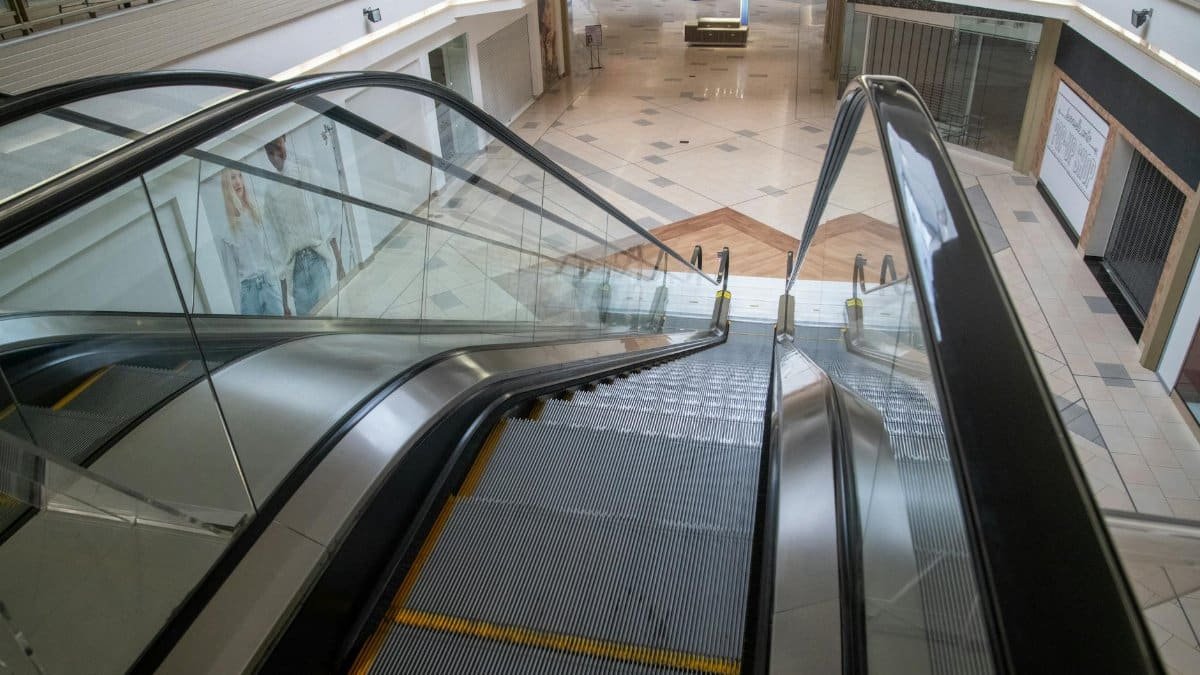
Long Island shoppers of a certain age still remember the distinctive scent of pretzels and perfume that greeted them upon entering an enclosed mall. Those climate controlled corridors once served as the social and commercial heartbeat of suburban life. Today that model is giving way to something different. Developers are replacing walls with walkways, skylights with sky, and food courts with plazas anchored by trees and seating. This transition is reshaping the LI mall industry as property owners seek to survive in an era when convenience often means a screen rather than a storefront. The shift is not merely architectural. It reflects how middle aged Americans and their families now crave experiences that blend commerce with comfort, nature with necessity. Whether these open air destinations can sustain local economies while nurturing a deeper sense of community remains one of the more compelling questions facing suburban retail.
The Slow Fade of Traditional Enclosed Malls
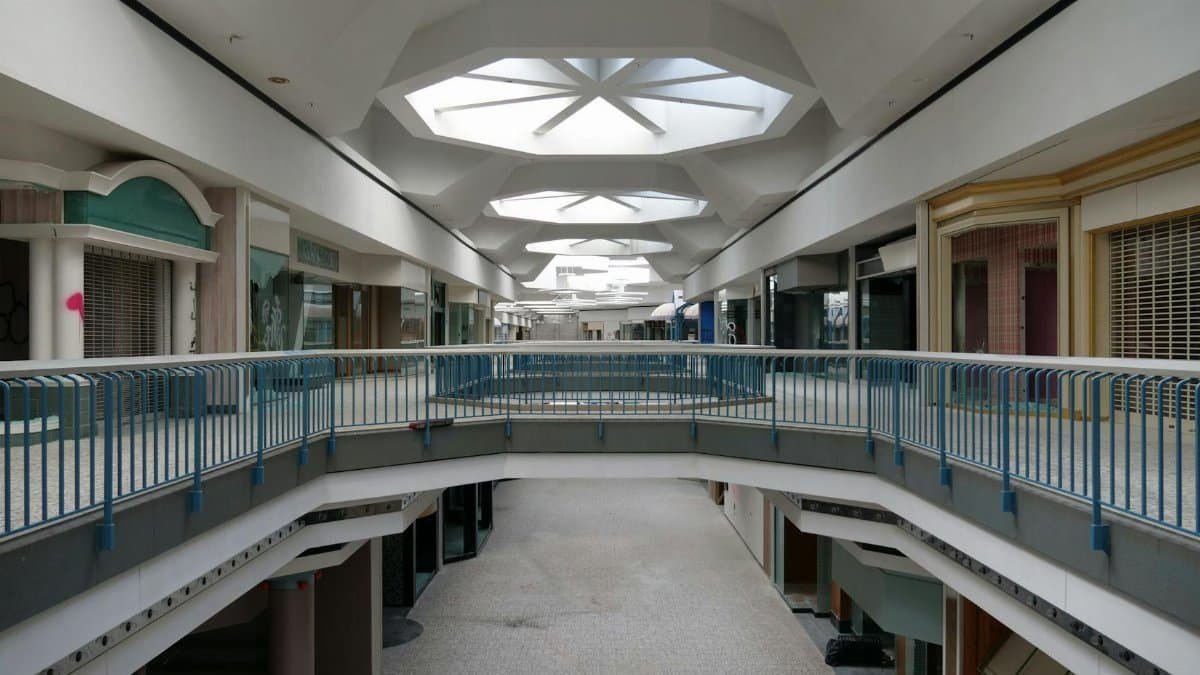
For decades the enclosed mall functioned as a reliable destination regardless of season or weather. On Long Island several such properties thrived through the 1990s and early 2000s. Yet changing demographics, the rise of ecommerce, and shifting leisure patterns have left many struggling. Vacant anchor stores created voids that proved difficult to fill. Younger consumers in particular viewed these spaces as dated. The pandemic only accelerated the trend by training people to expect more from their physical environments once restrictions lifted. Property owners watched foot traffic metrics decline year after year. What emerged was a clear recognition that survival would require more than cosmetic updates.
Open Air Designs Respond to New Expectations
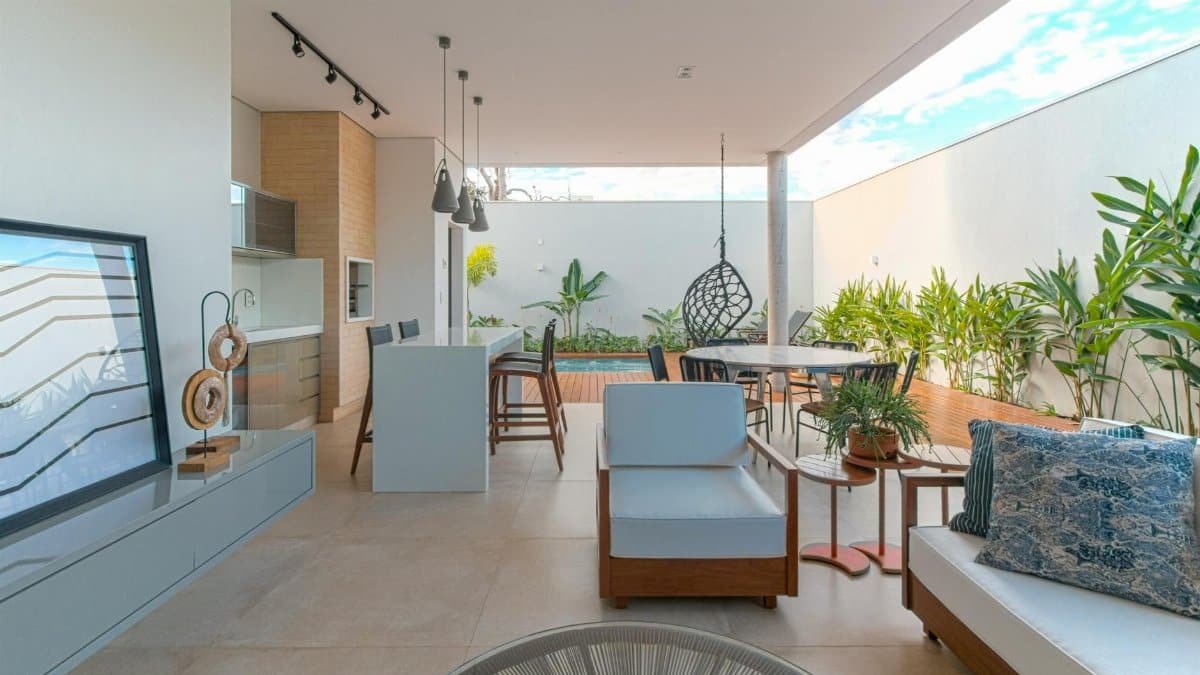
Open air formats prioritize flow and flexibility. Instead of navigating windowless corridors visitors move through landscaped courtyards that incorporate natural light, greenery, and gathering spots. These layouts encourage lingering rather than rushed transactions. Developers have introduced amphitheaters for live music, areas for food trucks, and dedicated spaces for seasonal events. The goal is to transform a simple shopping trip into a destination experience. Early data from similar projects in other regions suggest that people stay longer and spend more when the environment feels less transactional and more inviting. On Long Island several properties have begun this conversion with encouraging initial results.
Balancing Generational Appeal

One of the more delicate tasks involves serving both longtime patrons and emerging customers. Middle aged shoppers often value convenience, familiarity, and ample parking. Younger visitors seek Instagram worthy backdrops, interactive installations, and sustainability features. Open air designs attempt to satisfy both groups by offering varied zones within a single development. A quiet garden path might sit near a vibrant market area. This layered approach acknowledges that retail success now depends on emotional resonance as much as product availability. The LI mall industry has started to treat these spaces as community assets rather than purely commercial enterprises.
Case Study in Reinvention

Consider the ongoing work at several Long Island locations where former enclosed sections have been opened to the elements. One prominent example involved removing large portions of roofing to create a central green space that now hosts concerts, farmers markets, and holiday celebrations. Retailers reported increased traffic after the changes while local residents described the site as more welcoming. Another project integrated residential units and office space alongside retail creating a mixed use environment that remains active throughout the day. These experiments suggest that diversification beyond traditional shopping may be essential for long term viability. Observers note that the most successful transformations prioritize human scale and accessibility.
Economic Ripple Effects Across the Region

The stakes extend beyond individual property owners. The LI mall industry supports thousands of jobs ranging from retail staff to maintenance crews and hospitality workers. When a mall reinvents itself successfully those jobs often evolve rather than disappear. New concepts require different skill sets from event coordination to landscape management. Local governments watch these projects closely because revitalized properties generate increased tax revenue and reduce blight. Yet not every conversion succeeds. Poorly executed projects can leave behind half finished structures that burden communities. The economic calculus has grown more complex as developers balance construction costs against uncertain consumer behavior.
Creating Spaces for Gathering and Reflection
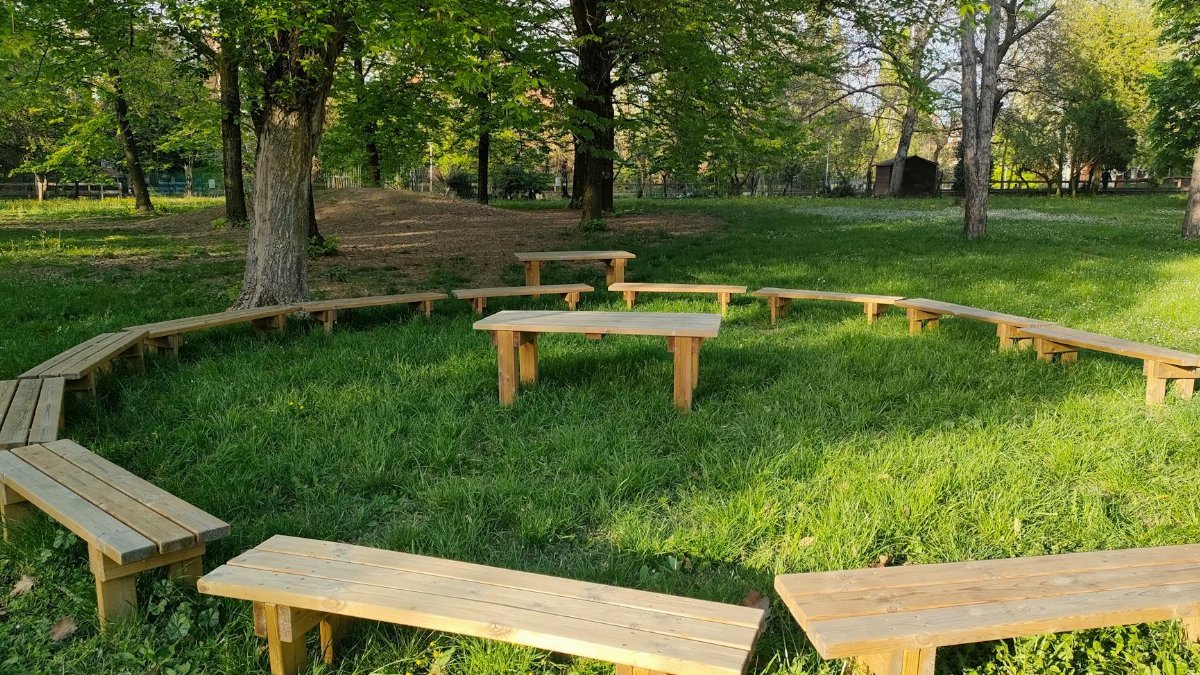
Beyond retail metrics these new open air environments appear to address a subtler human need. In an age of digital fragmentation many Long Islanders report craving places that foster genuine connection. The integration of natural elements such as water features, mature trees, and unobstructed views seems to promote a calmer atmosphere than traditional malls ever achieved. Some centers have begun hosting wellness events including guided meditation sessions, community book clubs, and interfaith gatherings. These activities position the properties as modern town squares where commerce and contemplation coexist. The spiritual dimension of shared public space has gained renewed appreciation as people seek balance between material pursuits and meaningful encounters. Developers who recognize this broader role may find greater resonance with surrounding communities.
Sustainability Becomes a Competitive Advantage

Contemporary open air projects increasingly incorporate environmental considerations from the outset. Rain gardens manage stormwater runoff. Solar arrays power common areas. Native plantings reduce irrigation needs while supporting local ecosystems. These features appeal to shoppers who factor planetary health into their spending decisions. On Long Island where coastal vulnerability is a constant concern such attention to resilience carries particular weight. The LI mall industry has started viewing sustainability not as an added expense but as a necessary component of future proofing. Early adopters report that these elements also enhance aesthetic appeal and differentiate their properties from competitors.
Obstacles on the Path to Transformation

Not every aspect of this evolution runs smoothly. Construction disruptions can alienate existing tenants and customers. High material costs combined with interest rate fluctuations have forced some developers to scale back ambitious plans. Zoning regulations sometimes lag behind innovative concepts creating bureaucratic delays. Additionally the question of security in more open environments requires new strategies beyond traditional mall security models. Perhaps most challenging is the reality that not all legacy malls possess locations or layouts suitable for successful conversion. Those that fail to adapt face the prospect of gradual obsolescence or demolition. The margin for error has narrowed considerably.
Perspectives from Those Shaping the Future

Industry professionals emphasize adaptability as the core requirement moving forward. Retail consultants point to the need for continuous dialogue with local communities to ensure developments reflect actual needs rather than assumed desires. Architects highlight the importance of designing flexible spaces that can accommodate changing uses over decades rather than years. For their part shoppers express hope that these transformations will preserve the social function that made malls vital in previous generations while updating them for contemporary life. The most promising projects appear to be those that treat reinvention as an ongoing conversation rather than a one time event.
What Comes Next for Long Island Retail

The coming decade will likely determine whether the current wave of open air conversions represents a genuine renaissance or merely a transitional phase. Success will depend on multiple factors including transportation access, demographic trends, and the ability to integrate technology without sacrificing human connection. Properties that manage to become true community hubs rather than mere shopping centers stand the best chance of enduring. The LI mall industry finds itself at an inflection point where bold vision must be matched by careful execution. For middle aged residents who have witnessed these spaces evolve over decades the hope remains that future iterations will honor the past while creating room for new forms of belonging. In the end the most valuable commodity these developments may offer is not merchandise but the simple opportunity to be together in thoughtfully designed surroundings.
As the leaves change and another holiday season approaches many Long Islanders will visit these evolving properties with mixed emotions. Some will mourn the loss of familiar enclosed spaces while others will embrace the fresh air and expanded horizons. What remains clear is that the era of the static mall has ended. The properties that thrive will be those that continue learning from the people they serve understanding that retail at its best has always been about more than transactions. It has been about the spaces between the stores where life happens and memories form. The current reinvention seeks to protect and expand those precious spaces for generations to come.