
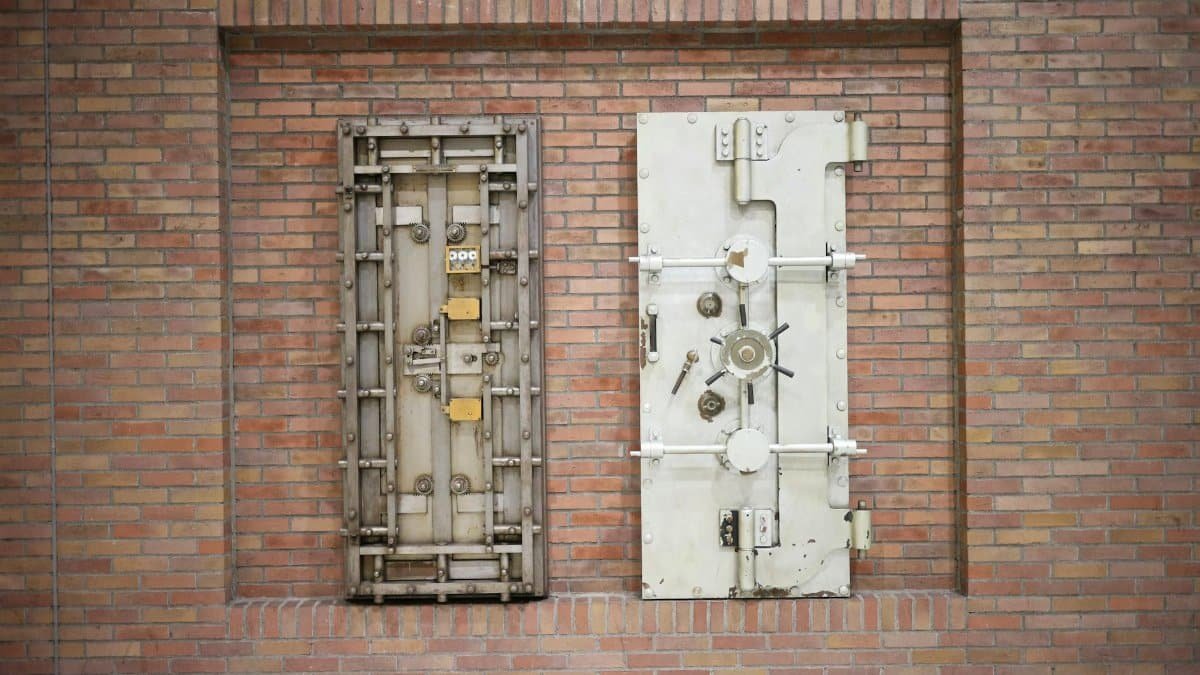
It was the kind of spectacle only the nineteen eighties could produce. On a chilly April evening in nineteen eighty six famed journalist Geraldo Rivera stood poised to blast open a sealed room in the basement of Chicagos Lexington Hotel. Promising to finally solve the riddle of the Al Capone vault the two hour live television special drew an estimated thirty million viewers eager for revelations from the Prohibition kings hidden cache. Yet what emerged from behind the reinforced concrete was not gold or guns or secret ledgers but mere scraps of paper and a few old bottles. The anticlimax became instant fodder for late night comedians and cemented the event as one of broadcastings most notorious flops. Now a new book revisits that infamous night exploring its cultural resonance and what it reveals about our enduring appetite for mystery and myth.
How a Forgotten Basement Became National News
The Lexington Hotel had long faded from prominence by the middle of the nineteen eighties. Once a favored haunt of Chicago gangsters during the Prohibition years the building carried an aura of faded grandeur and whispered secrets. When producers learned of a mysterious vault like structure beneath its floors they sensed an opportunity. Rivera already known for his combative reporting style threw himself into the project with characteristic zeal. Promotional segments aired for weeks hinting at potential discoveries ranging from illicit cash to bodies of rival mobsters. The campaign tapped into something primal in the American psyche a desire to peel back layers of history and confront the underworld directly.
Local historians expressed skepticism from the start noting that most tales of hidden Capone wealth had been debunked years earlier. Yet the television special moved forward undeterred. Construction crews drilled and blasted on camera creating an atmosphere of genuine suspense mixed with theatrical flair. This collision of serious inquiry and showmanship would come to define the entire endeavor.
The Man Behind the Microphone

Geraldo Rivera occupied a unique place in broadcast journalism at that time. Having risen to prominence through investigative work on ABC he carried both credibility and a reputation for sensationalism. His decision to host the special reflected his willingness to blur lines between news and entertainment. In interviews before the event he spoke with visible excitement about the possibilities suggesting the vault might rewrite what we thought we knew about organized crime.
Colleagues recall a man fully aware of the risks yet drawn to the drama. The special represented a gamble that could either solidify his status or invite ridicule. In the end it did both. The new book draws on fresh interviews with production staff and Rivera himself to paint a nuanced portrait of an ambitious journalist navigating the demands of an increasingly commercialized media landscape.
Building Suspense in the Windy City

Chicago played a central role in shaping the narrative. The city has never quite escaped its gangster past even as it grew into a global center of finance and culture. Local officials initially cooperated with the production hoping it might bring positive attention to historic preservation efforts. Instead the event amplified old stereotypes.
Residents interviewed at the time expressed a mixture of amusement and irritation. Some viewed the spectacle as harmless fun while others saw it as exploitative. The book examines how this tension reflected deeper civic conversations about how Chicago should remember the Capone era. Should the city lean into its notorious history for tourism or focus on its contributions to architecture jazz and civil rights?
What Historians Knew All Along

Academic experts on organized crime had long maintained that stories of vast underground fortunes were largely fictional. Capone operated through complex financial networks rather than hoarding cash in basement strongholds. Federal agents who raided his operations in the nineteen thirties found detailed records but little physical treasure.
The new volume cites previously unpublished correspondence between federal investigators and local archivists that underscores this perspective. One memo from nineteen thirty two describes the gangster as a shrewd businessman who preferred legitimate looking investments over dramatic hiding places. These documents provide essential context for understanding why the vault discovery proved so disappointing. The book effectively bridges popular legend with rigorous scholarship offering readers a clearer view of historical reality.
The Live Broadcast Unfolds

Millions watched as the concrete barrier finally gave way. Dust filled the air while Rivera narrated every moment with rising anticipation. Cameras captured the breach in real time creating a shared national experience rarely seen outside major sporting events or space launches. When the interior came into view the silence was palpable.
A few scattered items lay on the floor including some bottles and crumpled papers. No treasure. No dramatic artifacts. Just the mundane remnants of a forgotten storage area. Rivera handled the moment with professional composure though his expression betrayed the deflation many felt. The remainder of the program shifted to discussions with experts and analysis of what little had been found. According to the Chicago Tribune the broadcast still holds records for one of the most watched nonfiction events of the decade. (https://www.chicagotribune.com/2026/05/05/al-capone-vault-book/)
Public Reaction and Media Frenzy
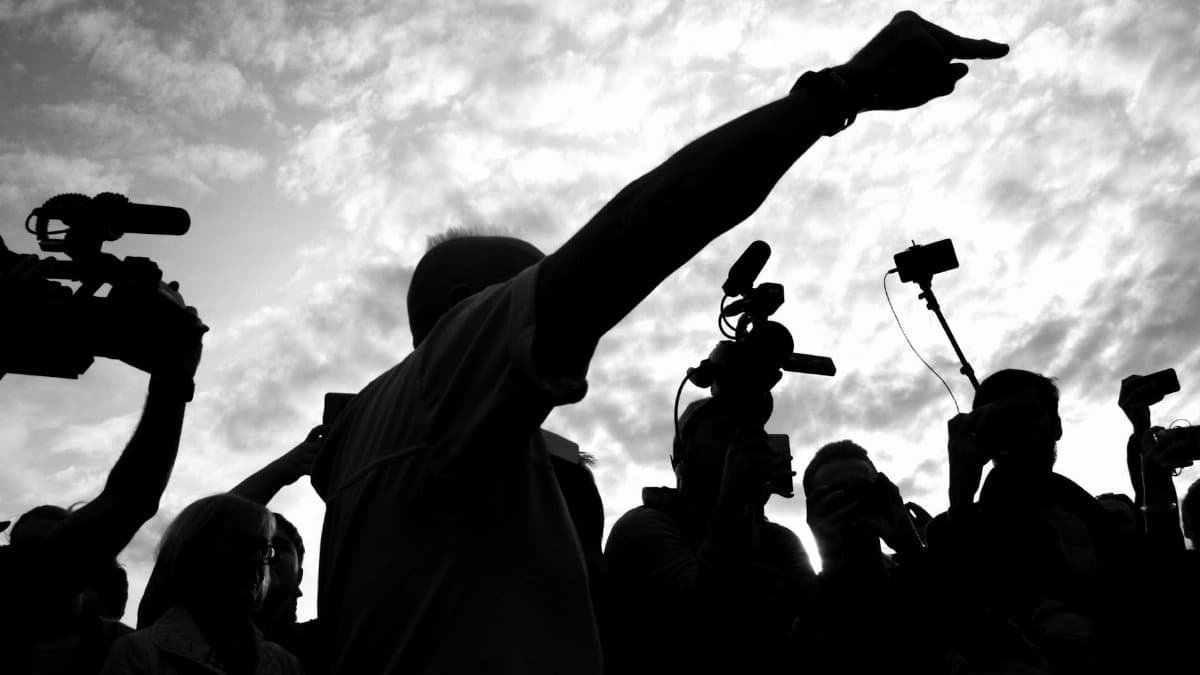
The morning after brought an avalanche of mockery. Talk show hosts and newspaper columnists seized on the failure with particular glee. Headlines across the country proclaimed the vault empty in more ways than one. Rivera became the punchline of countless jokes yet he refused to retreat from public view.
Interestingly the ridicule did not destroy his career. Many observers credit the experience with humanizing him and demonstrating resilience. The book explores how this single broadcast influenced the subsequent evolution of reality television and celebrity journalism. It argues that the event marked an early example of audiences embracing spectacle even when it delivers disappointment.
Revisiting the Event in Print

The latest book arrives at an opportune moment when nostalgia for twentieth century media moments runs high. Author Paul Russo a Chicago based historian spent five years researching the project interviewing dozens of participants and reviewing thousands of pages of archival material. His approach avoids easy cynicism instead examining the event as a cultural artifact that reveals much about American values.
Russo suggests the special succeeded despite its apparent failure by creating a collective memory that still resonates today. Through careful analysis he demonstrates how the broadcast blended elements of treasure hunt detective story and morality tale. The volume includes never before seen photographs and production notes that enrich our understanding considerably.
The Deeper Meaning Behind Our Fascination

Beyond the surface level entertainment the episode touched on something fundamental about human nature. People have always been drawn to stories of hidden wealth and secret chambers. These narratives speak to our hope that somewhere just beyond reach lies the key to transforming our lives.
In many ways the search for lost gangster treasure parallels older myths about buried cities and enchanted objects. The emptiness of the vault in this case offered an unintended but powerful lesson about expectations and reality. Russo devotes considerable attention to this aspect arguing that such stories help societies process their relationship with power wealth and morality.
Spiritual Undertones in Historical Quests
Viewed through a spiritual lens the entire affair carries intriguing dimensions. The longing to open the sealed vault mirrors humanitys perennial quest for ultimate truth or divine revelation. Many religious traditions speak of hidden wisdom that requires courage and persistence to uncover. In this context the live event represented a secular pilgrimage of sorts with Rivera cast as both prophet and showman.
The disappointment that followed can be read as a modern parable about attachment to material outcomes. When the concrete yielded nothing extraordinary viewers confronted the possibility that meaning resides not in objects but in the journey itself. Several theologians interviewed for the book draw parallels to contemplative practices that emphasize letting go of expectations. The empty chamber thus becomes a kind of sacred space where illusion meets acceptance.
This spiritual interpretation has gained traction among readers interested in how secular culture unconsciously replicates religious patterns. The fascination with gangsters and their secrets may reflect a deeper hunger for transcendence and connection to something larger than everyday existence. In an increasingly fragmented society shared cultural moments like the vault opening provide rare opportunities for collective reflection.
Chicago Today and Yesterday

Contemporary Chicago maintains a complicated relationship with its gangster heritage. While tour companies profit from Capone themed excursions many residents prefer to highlight the citys contributions to literature music and community organizing. The book suggests that revisiting the nineteen eighty six broadcast can help bridge these perspectives by acknowledging both the dark chapters and the resilience that followed.
Current preservation efforts at the Lexington Hotel site reflect this balanced approach. Rather than sensationalizing the past developers now emphasize educational programming that contextualizes the building within broader historical currents. The vault itself has become something of a minor tourist attraction though visitors typically leave with more questions than answers.
What We Can Learn from an Empty Room

Ultimately the story of the Al Capone vault transcends its immediate circumstances. It invites consideration of how societies construct legends and what happens when those legends collide with reality. The new book succeeds by treating the event with both intellectual rigor and human empathy.
In our current era of viral sensations and heightened expectations the nineteen eighty six broadcast feels surprisingly relevant. It reminds us that not every mystery needs solving and not every promise requires fulfillment. Sometimes the most valuable discoveries come from learning to appreciate the stories we tell ourselves. As Russo concludes the real treasure was never behind the concrete but in the conversations that followed long after the cameras stopped rolling.
The episode continues to fascinate because it captures something essential about hope disappointment and the human spirit. Whether viewed as journalistic misstep cultural milestone or spiritual metaphor it endures as a compelling chapter in American storytelling. Readers of this latest account will likely come away with renewed appreciation for how one empty vault managed to fill so many minds with meaning.